Are lab grown diamonds the real thing?
Yes. A lab diamond is chemically, physically and optically a diamond, as hard and as fiery as a mined one. The only difference is where it formed: in a controlled chamber, using a CVD or HPHT process, instead of deep underground. Nobody can tell the two apart by eye, and a jeweler needs laboratory instruments to identify the origin. Once set into a pair of earrings, you are simply looking at diamonds.
Why lab grown diamond earrings make sense
Earrings play to the strengths of lab grown stones. People see your ears from a few feet away, so the visual impact of size counts for more than the story of origin. The main argument for natural diamonds is resale value, and earrings are among the pieces people almost never sell. Put those together and a lab created pair lets you move up in total weight, or keep the weight and choose a crisper color and cleaner clarity, without stretching the budget.
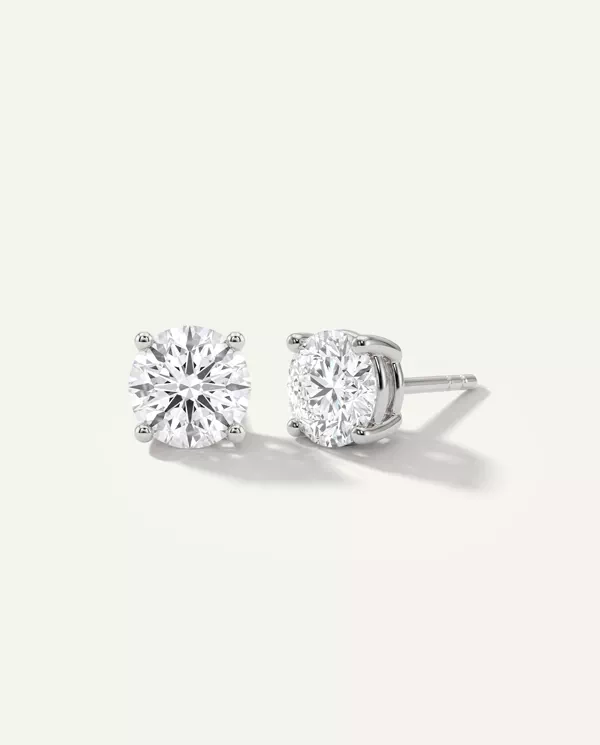
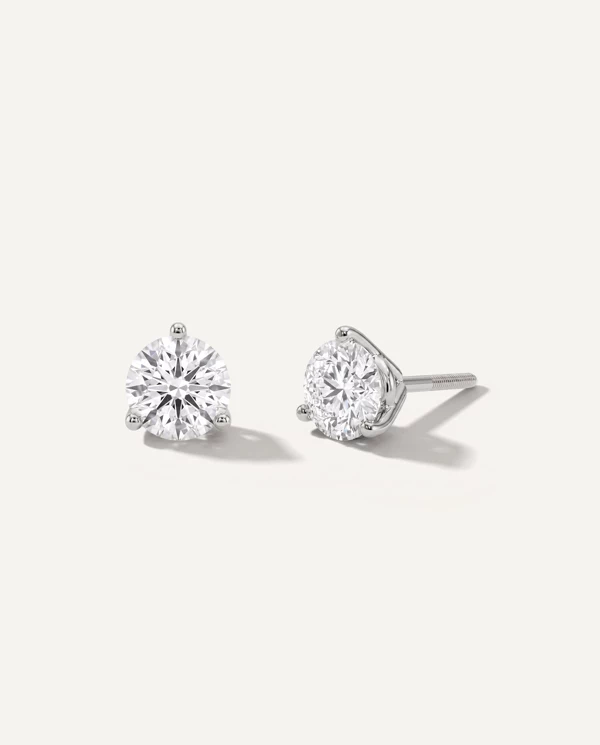
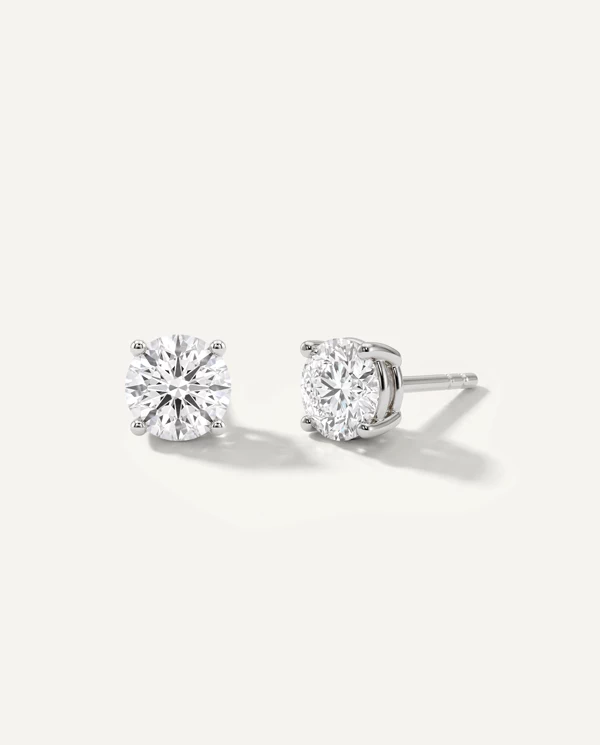
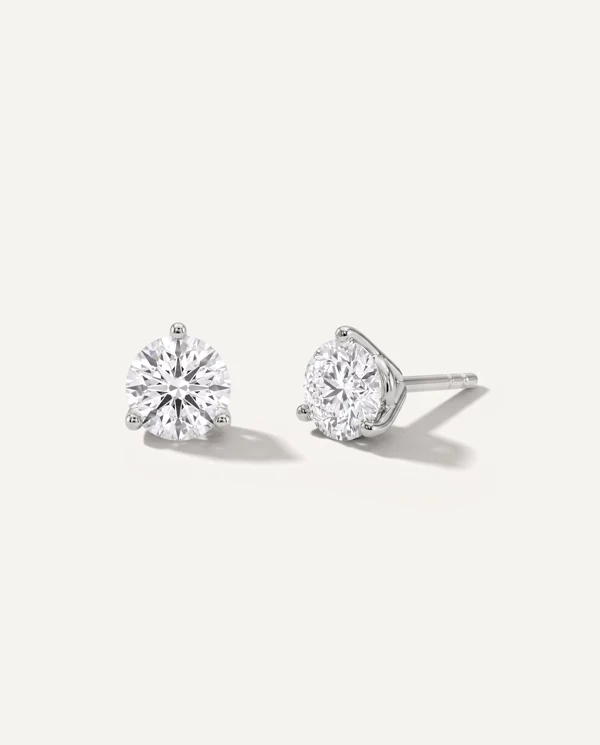
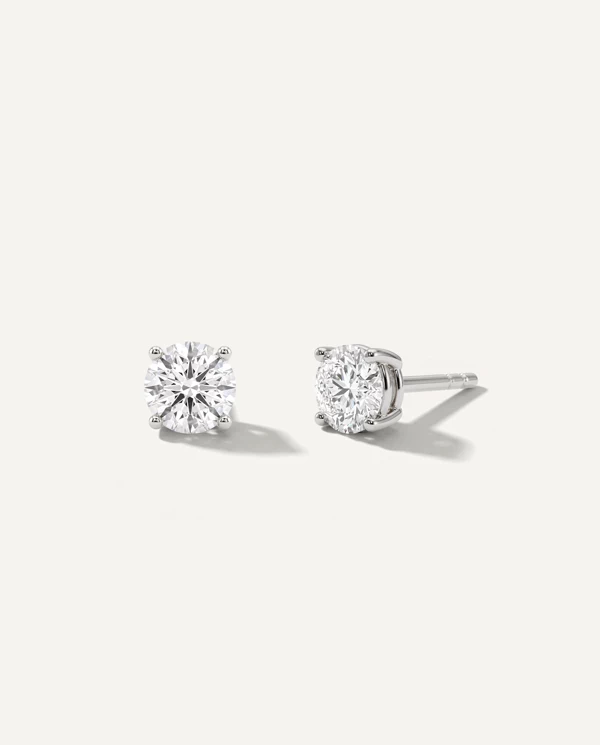
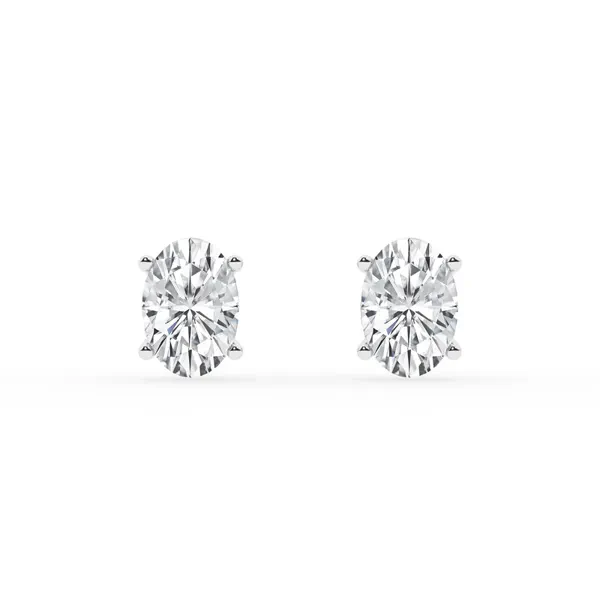
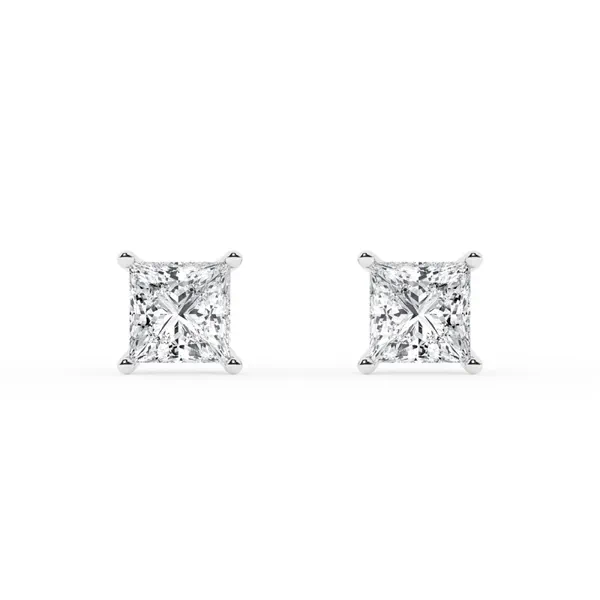
If you want to see how sizes compare, the 1 carat lab diamond pairs are a useful benchmark, since that weight is split across two stones of roughly half a carat each.
Studs, hoops and drops in lab grown
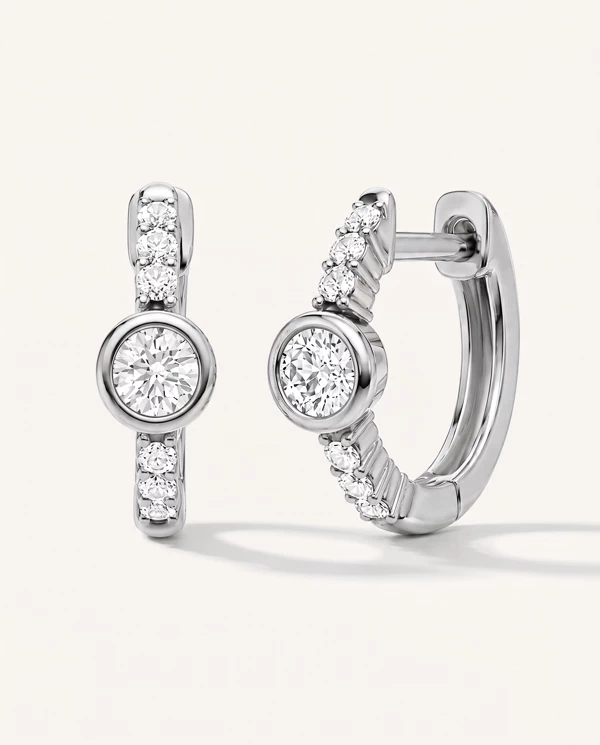
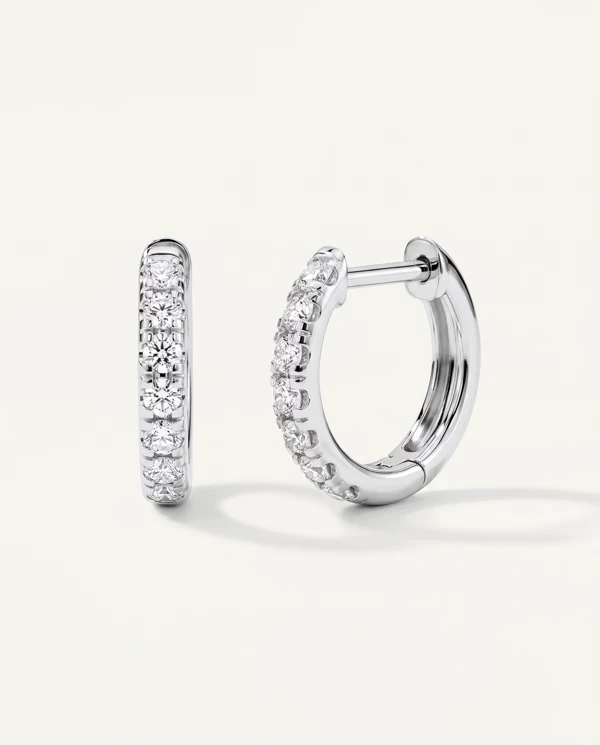
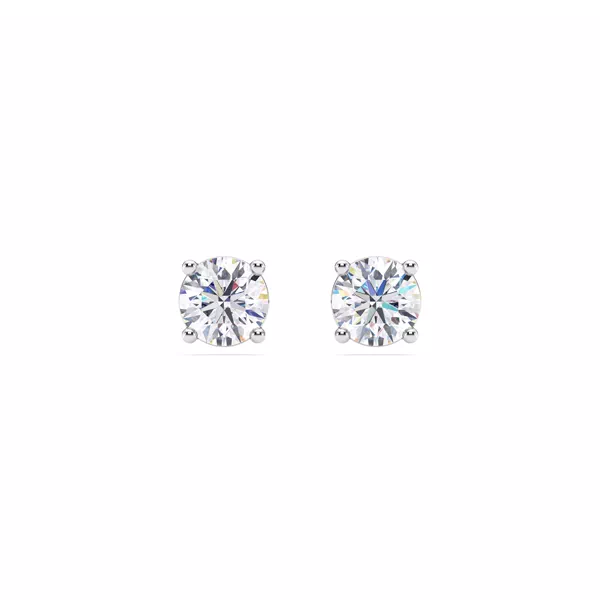
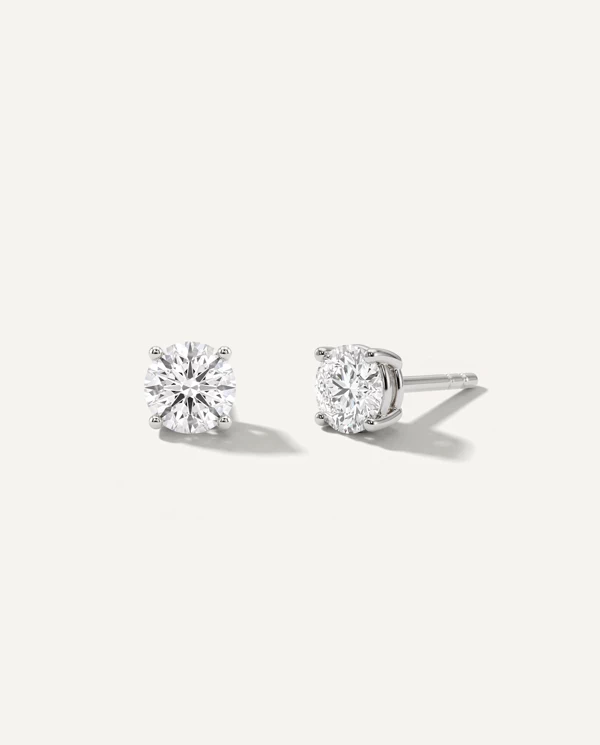
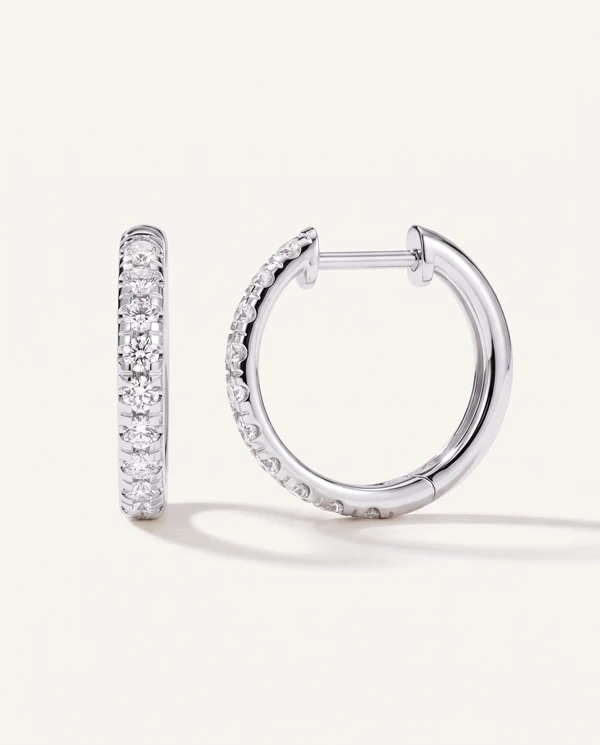
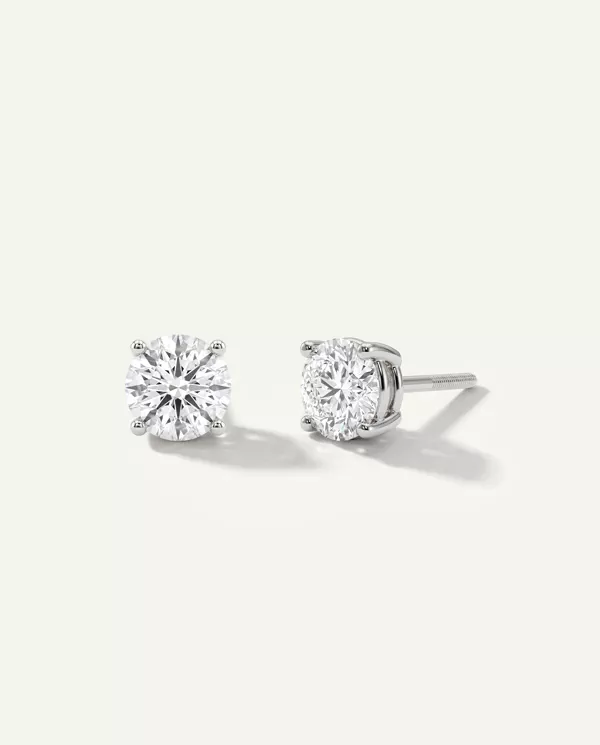
Start with how the earrings will be worn. Studs are the daily pair, close to the lobe and easy with anything; you can browse lab grown studs on their own. Hoops add movement and catch light along the curve, and inside-out designs show stones on both faces. Drops hang below the lobe and bring the sparkle down toward the jaw and neckline, which suits evenings, weddings and updos. See lab diamond drops if you want that longer line.
Grades worth paying for in a pair
Spend on cut first, then on matching, and only then on color and clarity. A well cut round brilliant throws light even at a small size, while a poorly cut stone looks glassy no matter how high its grades. The two stones should be close in size, color and clarity so the ears look alike. For brilliant cuts, an eye clean clarity such as VS2 is plenty in earrings, and near colorless grades from G to J look bright, especially in yellow or rose gold, which hide a hint of warmth well.
Not sure where to land? Rare Carat gemologists will walk you through the options, and because they are paid no commission, the advice is about the pair that suits you, not the most expensive one.

/58-41018-.02-23MM Lab 14K WG-20241018043140987.jpg)