




/HGe1rvEYyWH7jJnJ1aQ335004agoSu3npCjRCXkUFmA_nn_light.jpeg)
/PP59opyqjY7UGgkFyFXRVIviUCSQZLrHqBuzkIL6uM_nn_light.jpeg)
/jcXZ44gGPQXus5JsUKe2ZMNNJUTaqaBq8OpPcfNiQc_nn_light.jpeg)
/UTv187yfwSFK9HRVgEhyRQP7VfSqT1oormZ0IbXw9Lc_nn_light.jpeg)
/fUtaJQbAfvZ2hg0OcWzZ1ZwH5xWmKEATf6vNIIyUk_nn_light.jpeg)
/inSU2R1nyX8hv5jVI9QfR6PDJ4ejN4aHV0cLKF4Vno_nn_light.jpeg)
/M6j1XCFJb0PKs6DzyYQeSmZfjRJeAAC8vVTkD8ob9s_nn_light.jpeg)
/wFt0FvQ4aOjj9PIjMTTBFTfFKyyhgu9zvzVDGEdliI4_nn_light.jpeg)
/H0PqPmRTwpsNaEILVPGWvlpfNazxPDLm4gej5JtCvs8_nn_light.jpeg)
/SMM7MYwvtUO8BWysdOoOeYowfndpX8305VWqwiyoJZI_nn_light.jpeg)
/KIihcxPEy23u4dPZRxuYke7KP3gFht2dMcTleTxmfc_nn_light.jpeg)
/mymfUEzDPVBOdJ4u704AD94iOyEOYeCHzbL80I6U_nn_light.jpeg)
/KSPYFfFExscVkhNnIfcOLpb1HOXhkfg1F4ykoXSMrQ_nn_light.jpeg)
/NMvv8XWeME2uZRLfTVUKjXUW2HsHS7c95fDlcZqOQI_nn_light.jpeg)
/SgQ6o9QueD0ctlWKEz7bbgMc3myPNEGtOUhnCxFJvk_nn_light.jpeg)
/rHtYlFo4599lYELvGW4dd9BQ09ZplaX596RCTEdH8_nn_light.jpeg)
/yNsaXQKPjhtPasWySp3s7rUfdC88c6tjXJ2ecUZHk_nn_light.jpeg)
/Nj4sxS878ENul08SiYuBis5RrpMWKpwIynFPYtQE_nn_light.jpeg)
/ByFor40vhjSuUTamEsmpN73vHpRoL9pVjUdrmT3cu0_nn_light.jpeg)
/bW9Ovt7zOA3uiEsGm0IrucuBO5WHCNoIIpU9ZqI3M_nn_light.jpeg)
/ckDhnuXr4i9HqqDWqlUkJ1EmmDbHJmYv0qluxgeDak_nn_light.jpeg)
/aME1V21qcsDONfTwzrYsNWuQrvVR7fk5ifN1pOtM1Uc_nn_light.jpeg)
/K3OuQq4QqLoc69Fhemb5pChLJD0Q3UHNOkv6Lt81wqw_nn_light.jpeg)
/CIxBtjZvnAbWzypNB4jDKTNUggYNV5o1zusJp6us8_nn_light.jpeg)
/jfvlCEGxXzpdf7cIMdfm2r03WE5BhhPxZs19rebjfQ_nn_light.jpeg)
/IncPvVsyQ7E6UdxCKE3QZXP8RYJUPg6WLEauDjb2KgY.jpeg)
/RJsoYmaS376aP4YEbFb09YDRd7e3WWRZ76vnqACc_nn_light.jpeg)
/guvetuC3tB45C9eO3eozzYiWj7ittsaIN2XXUp4Tuo_nn_light.jpeg)
/7WwzDkFtttYc5edgphLMRgTthMKePzaZwXflN5dWo_nn_light.jpeg)
/OzQ0VOWZx7HdZCOxuJLFsKYtNuJk85XO8yo28nJEA_nn_light.jpeg)
/R4U2tXxixJuL1pD4Fapf7mUQSrZeitsko7NRfEgpY_nn_light.jpeg)
/9A9Yc4zNOrMCh5EzCqFNainRhNXnt6p9MCEBBQO9t9E_nn_light.jpeg)
/E4gcFHZYaZYXdcbVUqtYjWiAdM8PIBO3JSk9xVERQI_nn_light.jpeg)
/REmHxeTzfeIetG1qTVbGKYVvLThBv6Sf8SSsNgRAo1M_nn_light.jpeg)
/GTpmi4oTIcMM1kRpmf59vWRQIa5J9ro5rfoSHdg_nn_light.jpeg)
/wXS8zajv7SLIVYCzDBSULiqTURAtPRRB1af0BFqtbZw_nn_light.jpeg)
/XumOsikzKHdAzmIveClk2JjqKJ36Xc2iQOyhZWaAaas_nn_light.jpeg)
/zoJFbsJ7lXNg3eWRRR2SlWdM6KObe50rKAyIcDbYc_nn_light.jpeg)
/177gjZoZorQdMhq26GsHV3LDNYlmdm3aJqENaPTqeM_nn_light.jpeg)
/nyWO78l6XeojXhRU5uePKjXawUfr8O4mhoYB2Y1Gxbg_nn_light.jpeg)
/C8nPYnTvm3ZLEoj2i03kgnmVBiC8dwHb1GKVWu9SuQ_nn_light.jpeg)
/ge9GoyxwLkyaT9bND3BPccVchTg2nV51NvQwcs_nn_light.jpeg)
/65dxfMZMyCL4FgD0LylLvRzTKLPucfQGaOwW83TpI_nn_light.jpeg)
/ObSCkXMHigIqpKtLxAwUmWROusdv9qa94W1GU9pMAf8_nn_light.jpeg)
/laDsTvhnhHMkyGRvoyL9WajpLAOu4ZUFzfwdHbB5u4_nn_light.jpeg)
/HMrGLuR4fgNgtEBxzBdx8oXykn2xs0JQm3bfQzLNx4_nn_light.jpeg)
/5dngjOk2ENUW8e56ktCxinoJxkCA4bMj4aCTGUwZwo.jpeg)
/Vh736qe6sm01rwd0MVxFmbZzEiTyV95QL7dqOmPj0_nn_light.jpeg)
FAQs
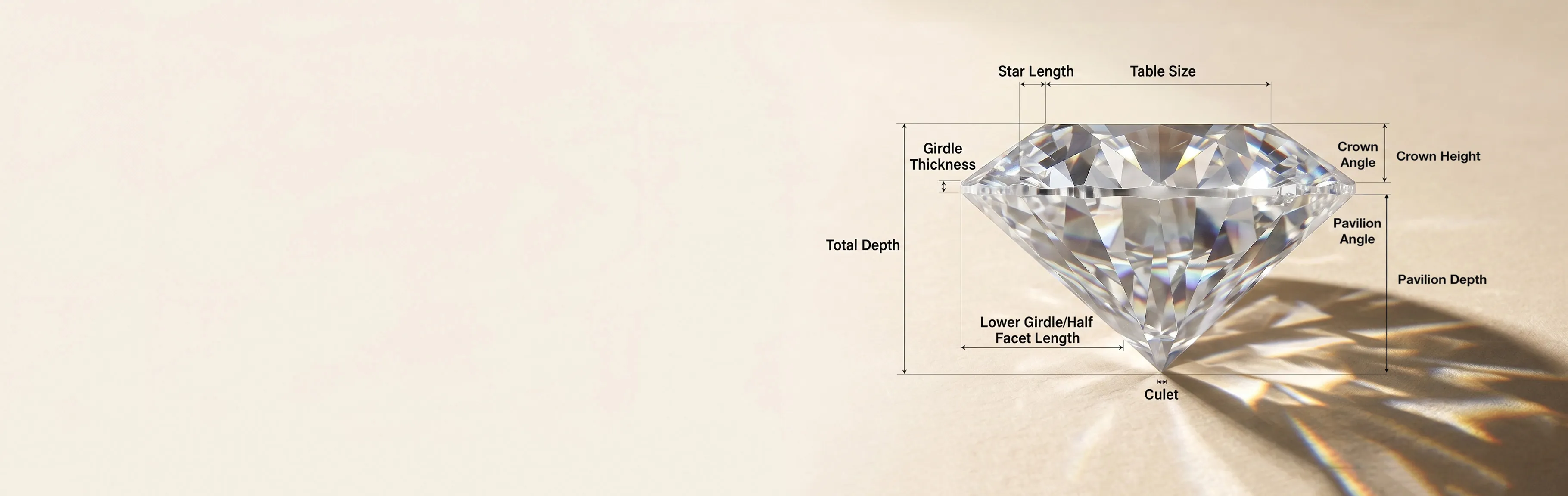
What cut grade matters most in a 1 carat lab grown diamond?
Cut is the single most important factor at this size. A stone with an Excellent or Ideal cut grade will outshine a larger diamond with a Good cut — the difference is visible to the naked eye. At Rare Carat, every 1ct lab grown diamond is scored by AI for light performance, so you're not relying on the grade alone. Prioritize cut before color or clarity every time.