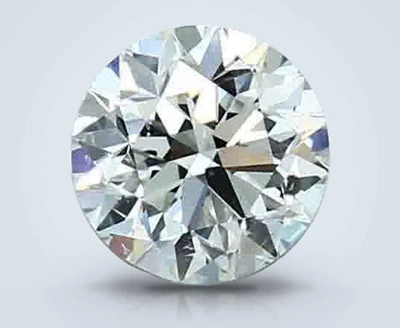
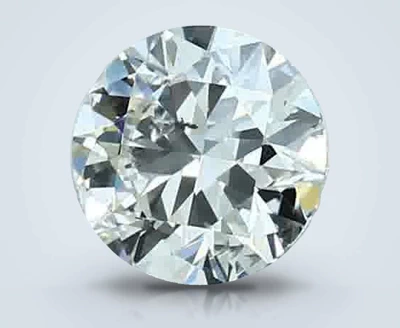
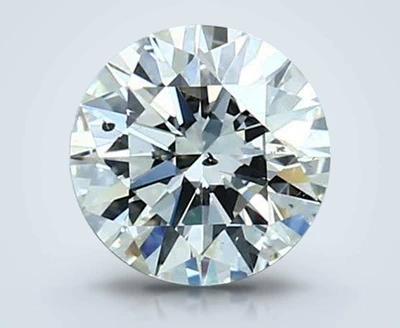
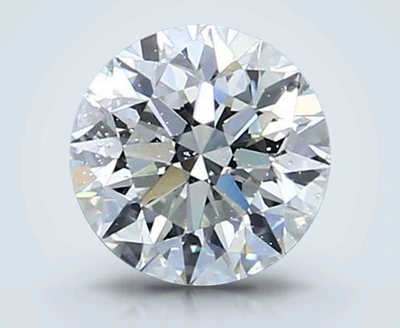
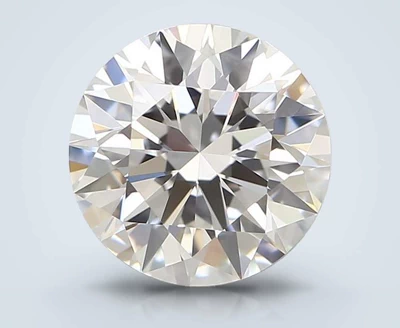
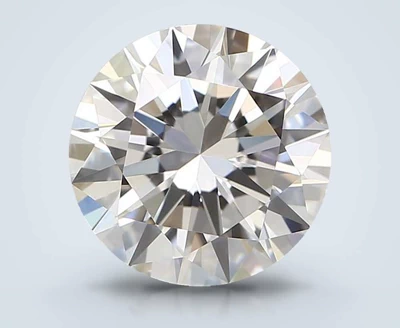
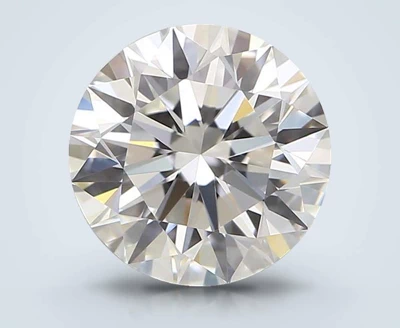
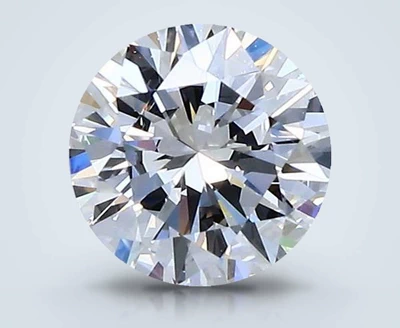
How Much Is a 1 Carat Natural Diamond?
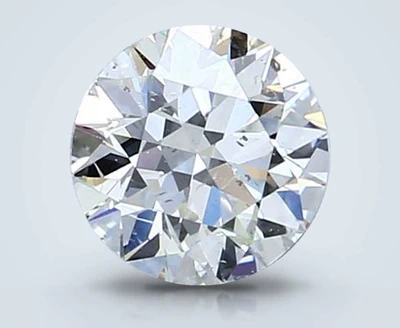
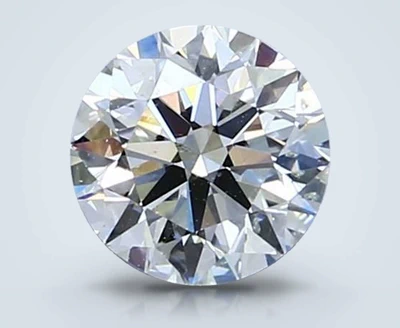
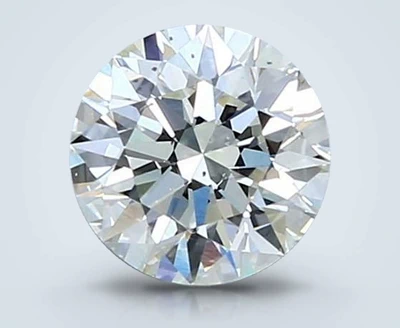
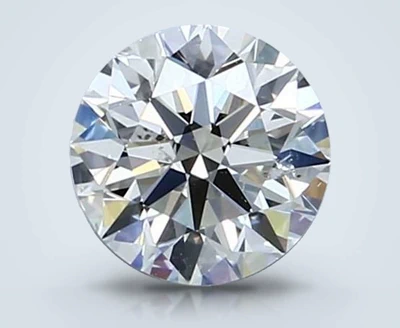
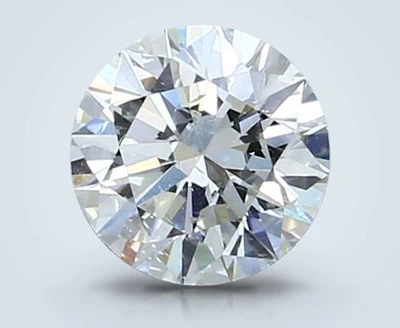
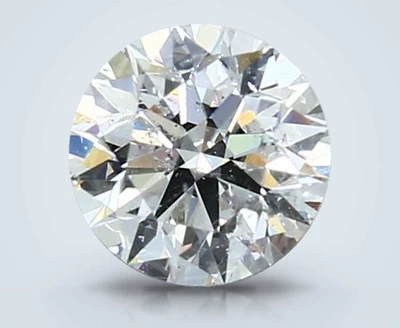
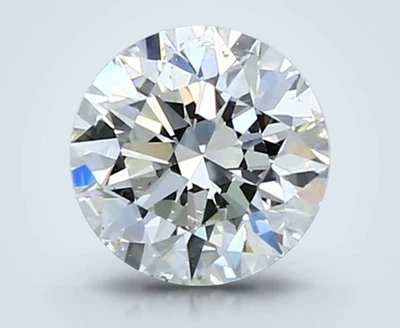
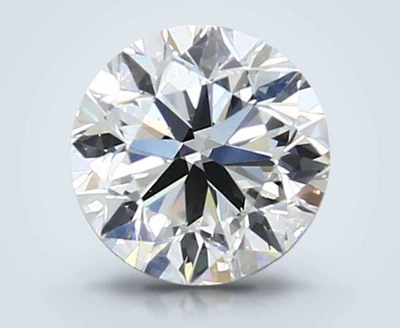
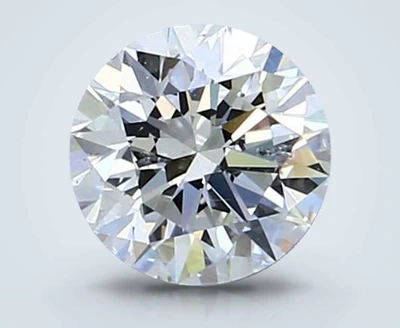
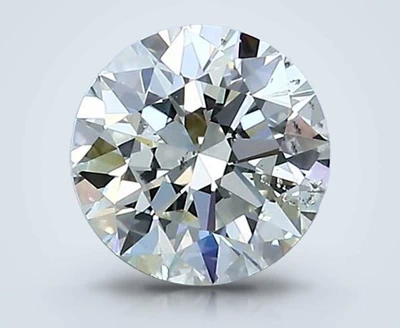
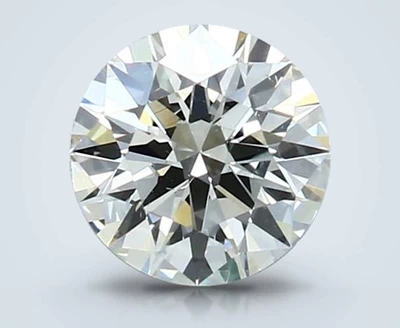
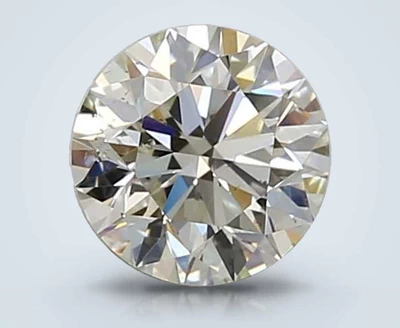
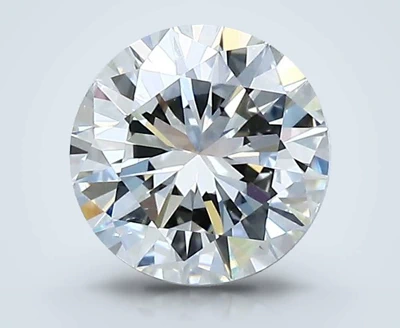
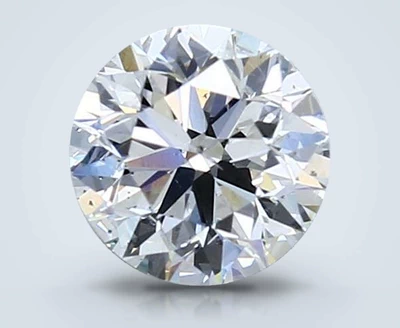
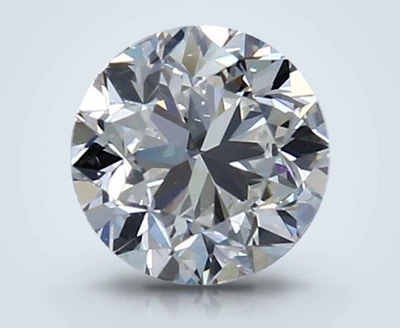
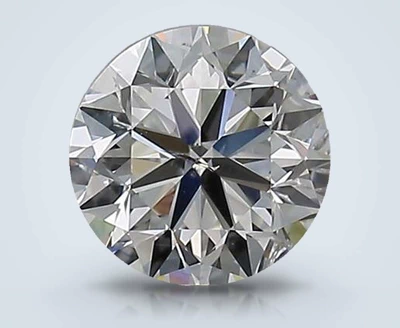
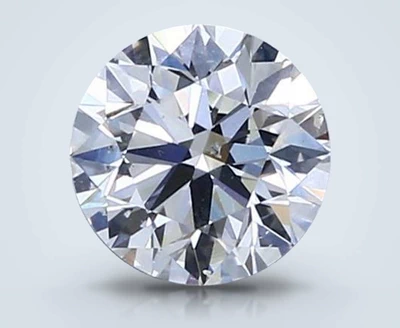
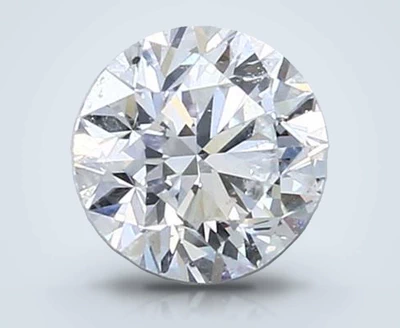
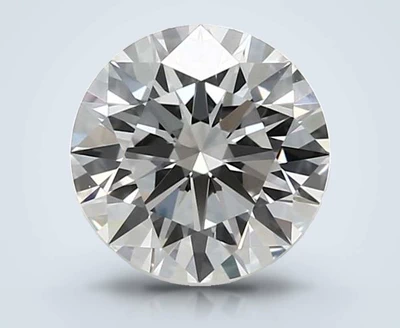
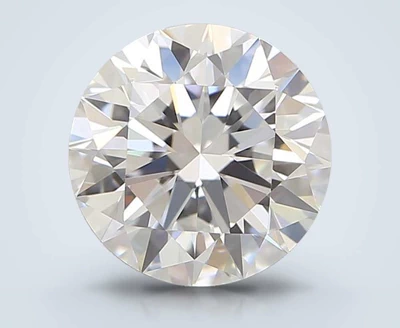
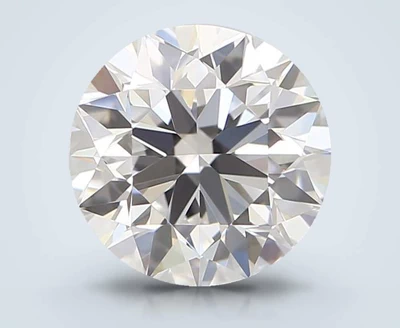
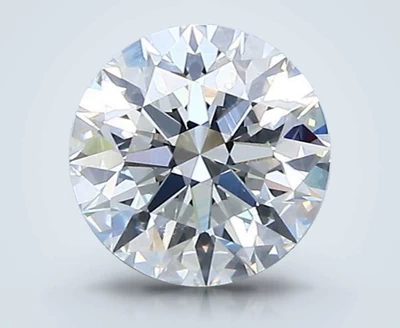
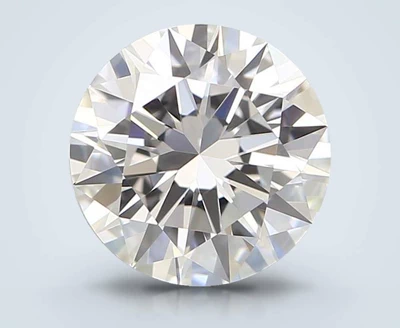
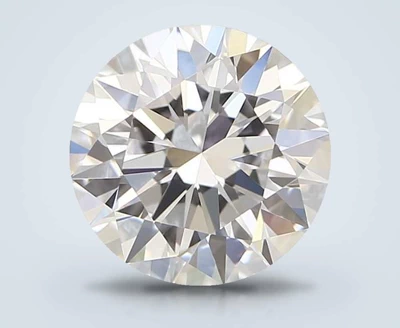
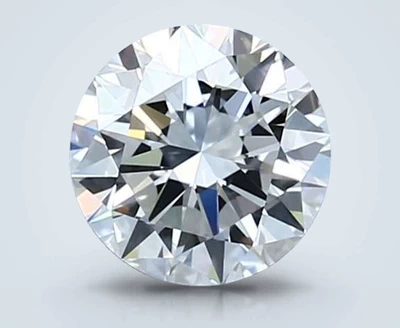
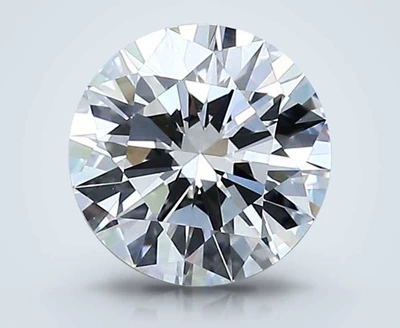
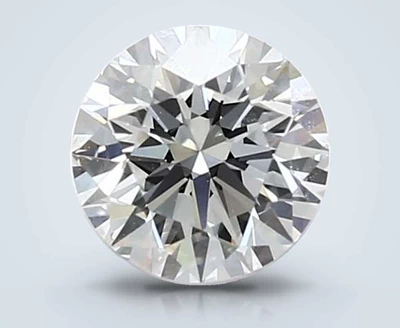
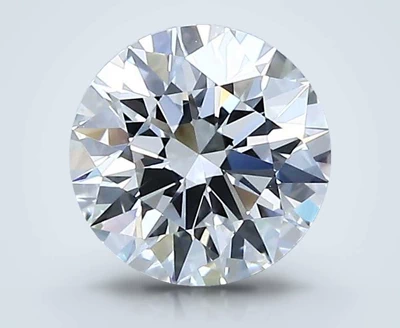
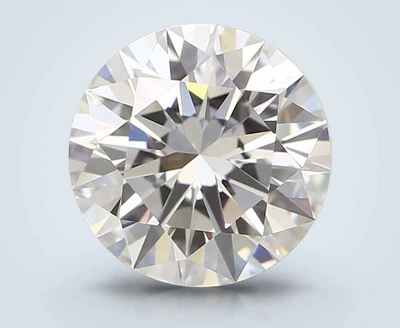
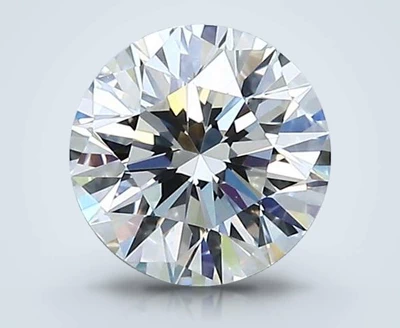
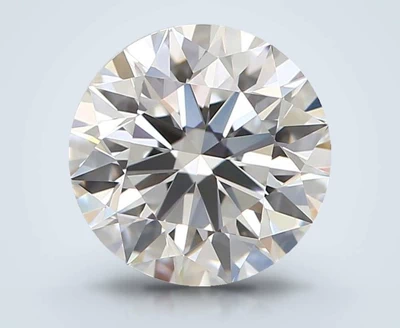
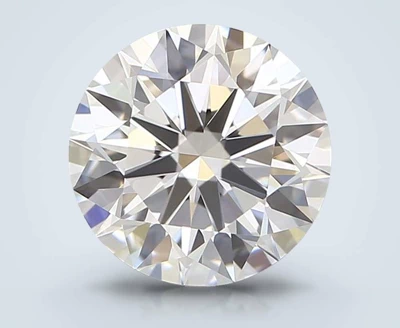
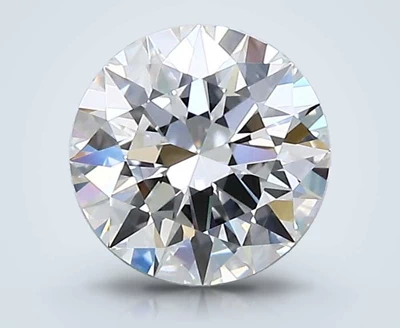
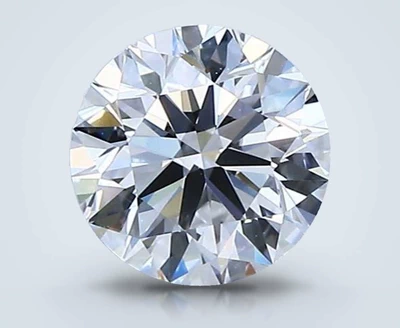
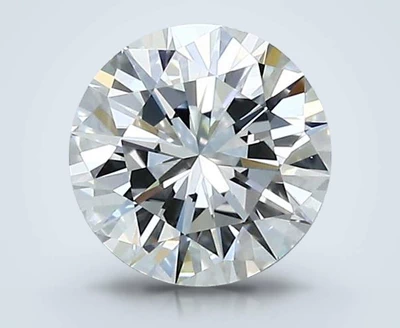
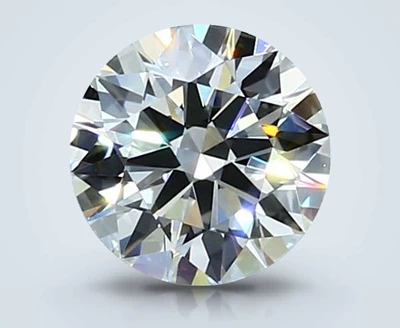
A natural 1 carat diamond at Rare Carat starts at $505 today, with the current savings applied, and the middle of the market is $2,390. Those two numbers are far apart for a reason: at one carat, natural prices are set almost entirely by color and clarity, and the spread from a J SI2 to a D VVS1 is wider than at any other size people commonly buy. Among rounds alone, prices run from $595 to $30,105; the median of the 29,903 rounds is $2,841 and nine in ten are under $5,471. The grid above holds 324,404 diamonds between 0.90 and 1.10 carats: 77,788 natural, which this guide is about, and 246,616 lab grown, covered on our 1 carat lab grown diamonds page on the same basis. Counts are every stone in the band in Rare Carat inventory on October 16, 2026, with or without video (65,191 natural stones have 360 HD video), and every count and price covers the same set the grid shows (D to K color, FL to SI2 clarity, Good cut or better).
If you want one sentence to carry into a jeweler: a well cut G or H color, VS2 or SI1 clarity, GIA graded one carat round is the stone most people end up with, and the typical one sells for about $2,990 here. Everything else on this page explains the price of moving away from that stone in either direction.
Why Two 1 Carat Diamonds Can Differ by Thousands
Hold clarity at VS2 and walk down the color scale in rounds: D starts at $1,725 with a median of $3,924, F at $1,600, G at $1,400, H at $1,070, I at $1,070 and J at $820. The line is not perfectly straight, because inventory is lumpy from week to week, but the trend is a few hundred dollars per grade at the entry point and more at the median, and most of those steps are invisible once the stone is set. G and H are the grades where the saving is large and the tint is not; the G color guide and H color guide show both against D under the same light.
Price by color, rounds with VS2 clarity, 0.90 to 1.10 ct (5,212 stones)
| Color | Starts at | Median | In stock | How it reads |
|---|
| D | $1,725 | $3,924 | 581 | Colorless, pays for the letter |
| E | $1,500 | $3,837 | 639 | Colorless |
| F | $1,600 | $3,350 | 628 | Colorless, last of the top group |
| G | $1,400 | $3,213 | 887 | Near colorless, white in any setting |
| H | $1,070 | $2,888 | 1,002 | Near colorless, the value grade |
| I | $1,070 | $2,354 | 796 | Faint warmth, suits yellow gold |
| J | $820 | $1,834 | 398 | Visible warmth side by side with D |
| K | $790 | $1,459 | 281 | Faint color, the last grade the grid shows |
| All D to K | $790 | | 5,212 | |
Now hold color at G or H and walk the clarity scale: SI2 starts at $755, SI1 at $1,075, VS2 at $1,070, VS1 at $1,230, VVS2 at $1,270 and IF at $1,765. The difference between SI1 and VS1 is about $155 at the entry point, and the only thing it buys is an inclusion that is harder to find under a loupe. Our rule for natural one carat stones: pick the lowest clarity grade that looks clean in the 360 video, which is usually SI1 or VS2, and put the money into cut or into a better color.
Starting price by clarity, G to H color rounds, 0.90 to 1.10 ct (9,545 stones)
| Clarity | Starts at | In stock |
|---|
| SI2 | $755 | 1,398 |
| SI1 | $1,075 | 1,484 |
| VS2 | $1,070 | 1,889 |
| VS1 | $1,230 | 1,654 |
| VVS2 | $1,270 | 1,380 |
| VVS1 | $1,235 | 1,222 |
| IF | $1,765 | 515 |
| FL | $3,535 | 3 |
| All G to H rounds | $755 | 9,545 |
The Full Carat Premium: 0.90 vs 1.00 vs 1.10
Natural diamond prices step up at the carat mark because the market prices the number on the report, not the millimeters on the finger. G to H color rounds in VS2 to SI1 clarity start at $1,070 between 0.90 and 0.99 carats and at $1,400 between 1.00 and 1.10 carats, a premium of about 31 percent for a stone that is 0.2 mm wider. The medians show the same gap: $2,004 against $2,990. Buying at 0.90 to 0.99 carats is the oldest trick in natural diamond shopping and it still works. Above the mark, 1.11 to 1.29 carats starts at $1,900, and the next common step, our 1.5 carat diamonds, opens at $2,785 for the same grade.
Natural diamonds by carat band, all shapes: the first two rows are the 77,788 natural stones on this page
| Carat band | Starts at | Median | In stock |
|---|
| 0.90 to 0.99 ct | $505 | $1,816 | 25,656 |
| 1.00 to 1.10 ct | $660 | $2,709 | 52,132 |
| 1.11 to 1.29 ct | $875 | $3,558 | 15,272 |
| 1.50 to 1.59 ct | $1,260 | $5,757 | 26,309 |
GIA, IGI and the One Carat Report
Natural one carat diamonds at Rare Carat are overwhelmingly GIA graded: 68,226 of the 77,788 natural stones on this page carry GIA reports and 9,562 carry IGI reports. For natural stones GIA is the reference grader, and a GIA report at this size is worth insisting on unless the IGI stone is priced to reflect the difference. Every report number is laser inscribed on the girdle, and after you order, our New York staff put the diamond under a microscope and confirm the inscription matches the paperwork before it ships. The guide to checking a GIA report walks through the online lookup if you want to verify a stone yourself first. Fluorescence is a separate line on the report; 19,806 of the 29,903 rounds here have none, and faint fluorescence in a G or H stone is harmless and sometimes a small discount.
Shapes at 1 Carat: Price and Face-Up Size
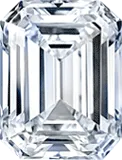
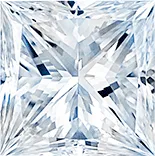
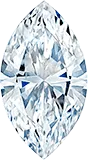
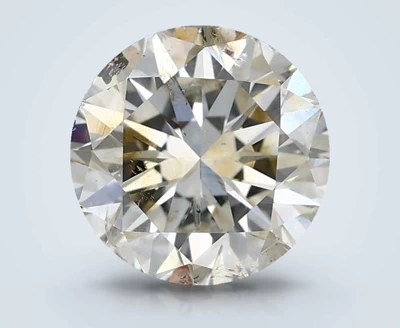
Rounds are the most expensive shape per carat in natural diamonds because cutting a round wastes the most rough, and they are also most of the stock here (29,903 of the 77,788 natural stones). Cushions, princess cuts and asschers are the value shapes, with medians between $1,734 and $2,043 against $2,841 for a round. Face-up, a one carat round is about 6.4 to 6.5 mm across, an oval 7.5 by 5.5 mm, a pear 8 by 5.5 mm and a marquise 10 by 5 mm, which is why elongated shapes are the usual answer when someone wants more finger coverage without a bigger budget.
0.90 to 1.10 ct natural, every stone the grid shows (D to K color, SI2 or better clarity, Good cut or better), prices you pay today
| Shape | Starts at | Median price | Typical face-up size | In stock |
|---|
| Round | $595 | $2,841 | 6.4 to 6.5 mm | 29,903 |
| Cushion | $505 | $1,985 | 5.5 to 6 mm | 7,220 |
| Oval | $570 | $2,308 | 7.5 x 5.5 mm | 8,625 |
| Emerald | $605 | $2,028 | 6.5 x 4.5 mm | 7,414 |
| Pear | $565 | $2,376 | 8 x 5.5 mm | 6,683 |
| Princess | $545 | $1,734 | 5.5 mm square | 5,598 |
| Heart | $655 | $1,885 | 6.5 x 6.5 mm | 4,756 |
| Radiant | $685 | $2,398 | 6.5 x 5 mm | 2,740 |
| Asscher | $580 | $2,043 | 5.5 mm square | 2,327 |
| Marquise | $770 | $2,748 | 10 x 5 mm | 2,522 |
| All shapes | $505 | $2,390 | | 77,788 |
Natural or Lab at One Carat?
This is the size where the two markets have split furthest apart in relative terms. A natural G color VS1 round starts at $1,475 here with a median of $3,307; the lab grown stone of the same grade is $370. H color SI1 is $1,075 natural against $375 lab. The right answer depends on what you are buying: a natural stone holds its scarcity and its story, a lab stone buys size and grade. Many shoppers at one carat choose natural precisely because it is the size where a natural diamond is still within reach, and the comparison page is one click away if you want to check.
Natural vs lab grown, 0.90 to 1.10 ct rounds, same grade
| Grade | Natural from | Natural median | Lab grown from |
|---|
| G color, VS1 | $1,475 | $3,307 | $370 |
| G color, VS2 | $1,400 | $3,213 | $380 |
| H color, SI1 | $1,075 | $2,322 | $375 |
| E color, VVS2 | $1,985 | $4,827 | $430 |
Buying a 1 Carat Diamond at Rare Carat
Every stone on this page has an AI price score, which compares it with similar natural diamonds in stock and flags anything priced above its peers, and a quality score out of 18 that weighs cut, color and clarity together. Use the Rare Carat Ideal filter if you only want the cut proportions that return the most light; in a natural one carat stone, cut is the grade that shows from across the room. Our gemologists will go through finalists with you by chat or phone and earn nothing from which one you pick. Rare Carat is the merchant of record on every order and stocks more than 2 million natural and lab grown diamonds. Shipping is free and insured, returns are free within 30 days, resizing is free for the first year, and rings carry a lifetime manufacturing warranty. Affirm, Klarna, Afterpay, PayPal Pay Later and Katapult are available at checkout. Rare Carat holds a 5 out of 5 rating on Google and Trustpilot, and Trustpilot ranks it the highest rated jewelry brand in America.
Counts and prices cover every natural diamond between 0.90 and 1.10 carats in Rare Carat inventory on October 16, 2026 that the grid on this page shows: all shapes, D to K color, FL to SI2 clarity, Good cut or better, GIA, IGI or GCAL graded, with or without video (77,788 stones, 65,191 with 360 HD video). Prices are what you pay today with the current savings applied; regular prices are shown struck through on each stone. Each starting price is the cheapest stone in its group. The grid total of 324,404 adds the 246,616 lab grown stones in the same band. Face-up sizes are typical for well cut stones and vary with depth.