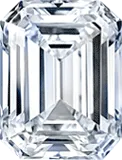
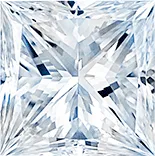
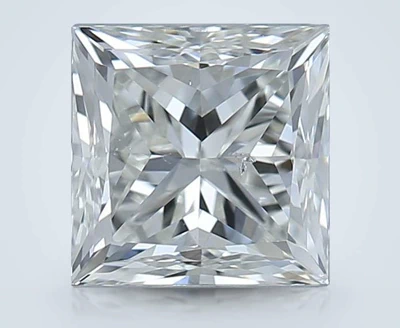
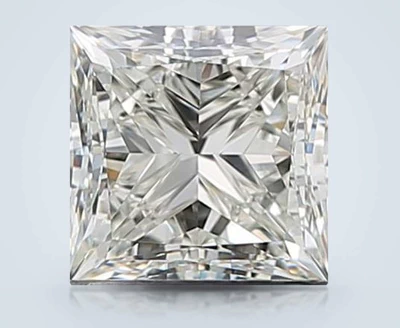
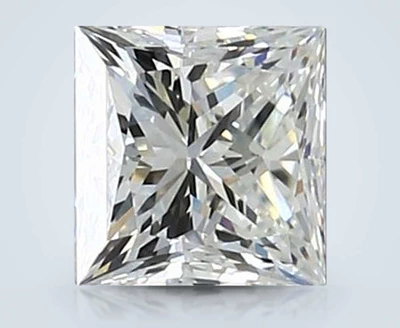
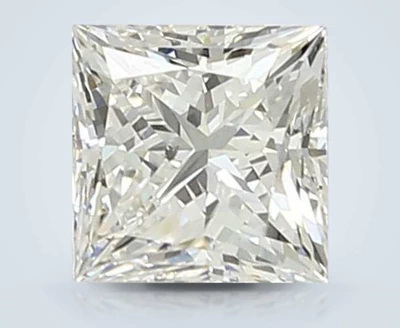
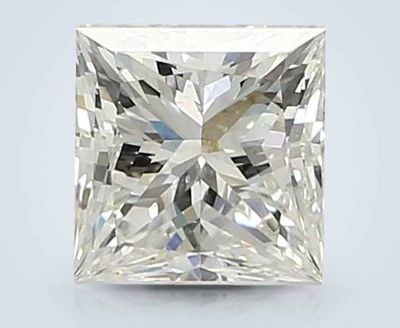
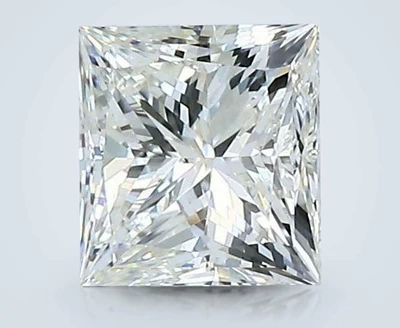
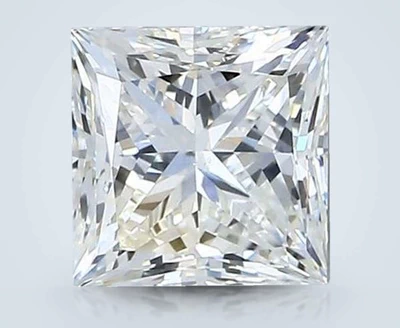
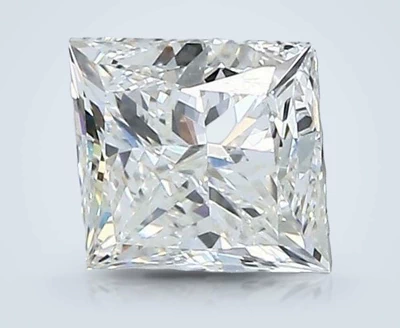
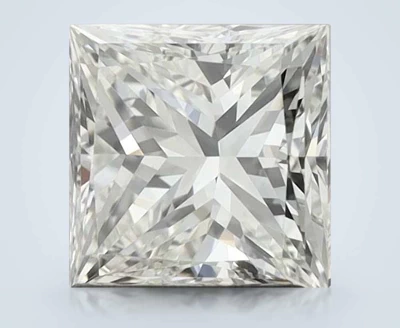
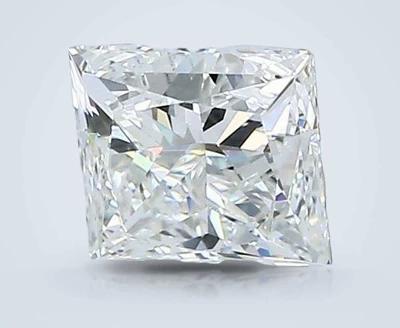
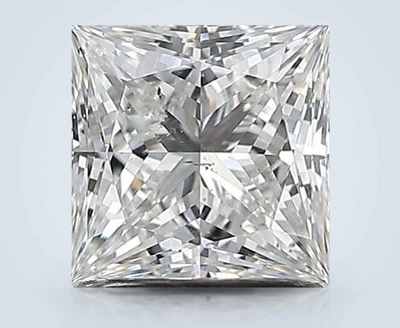
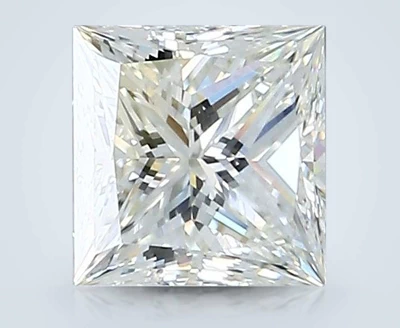
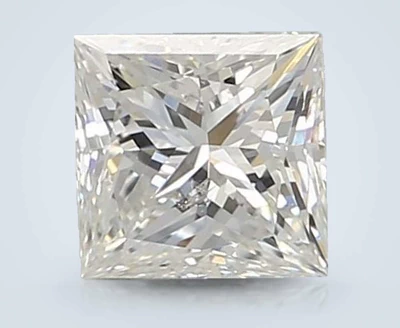
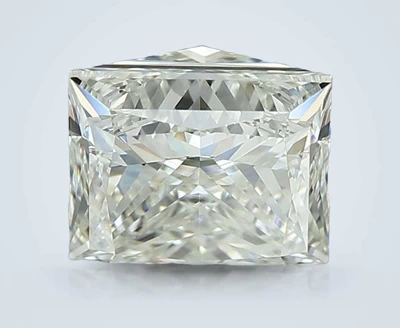
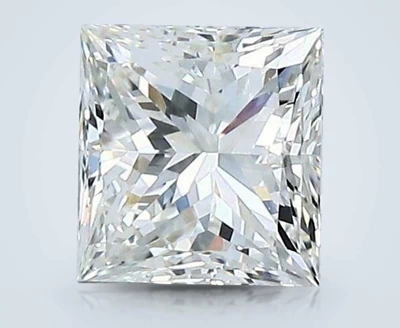
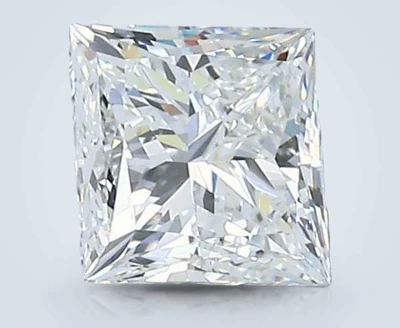
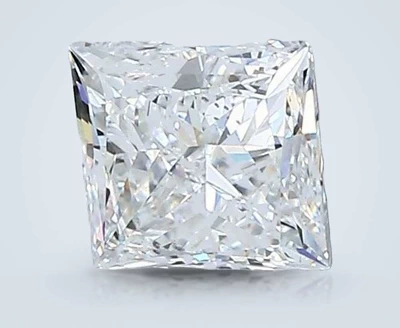
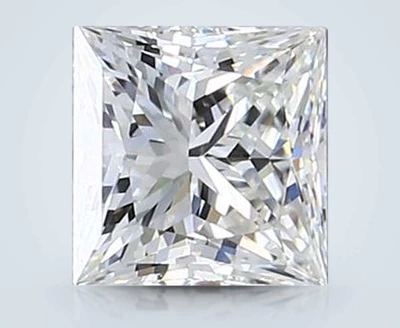
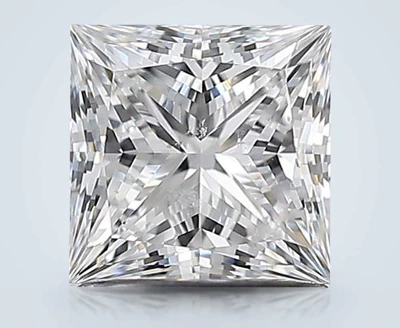
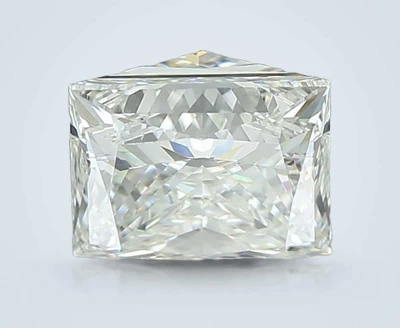
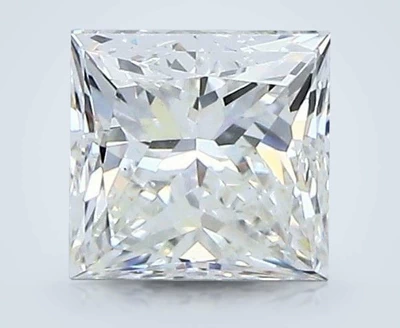
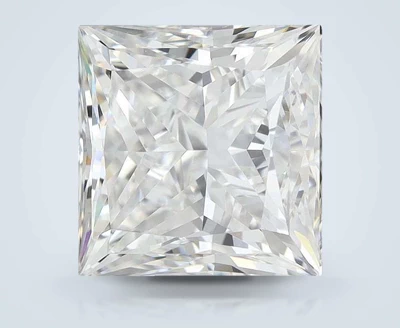
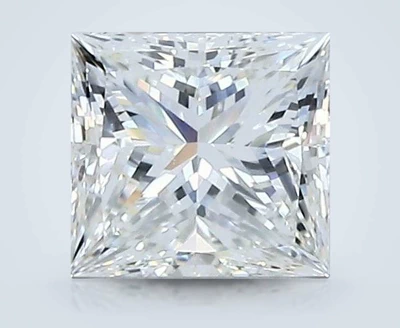
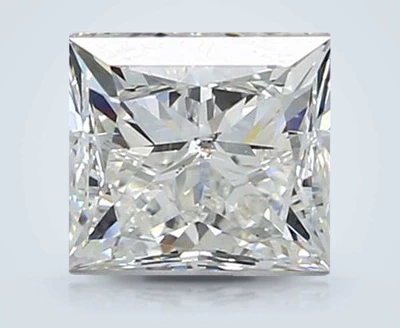
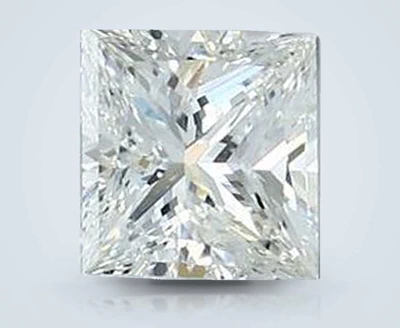
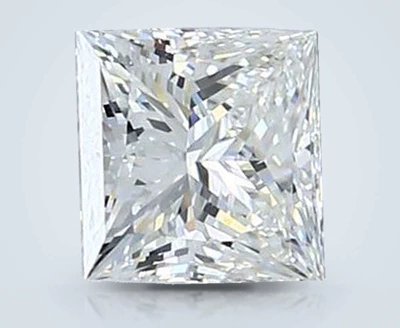
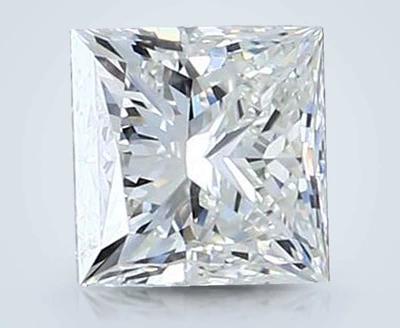
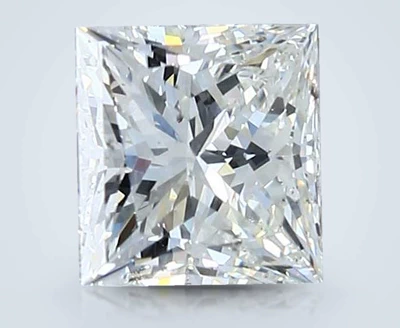
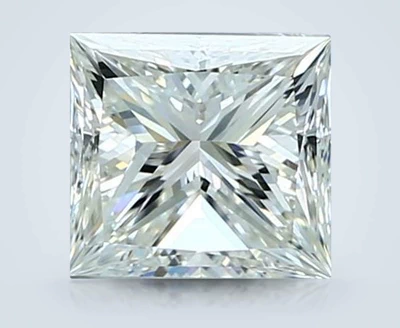
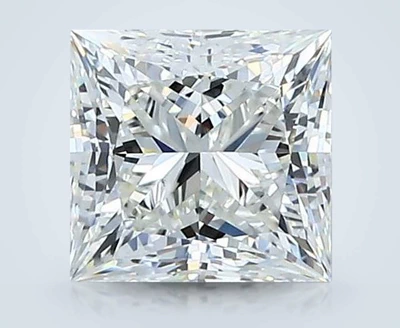
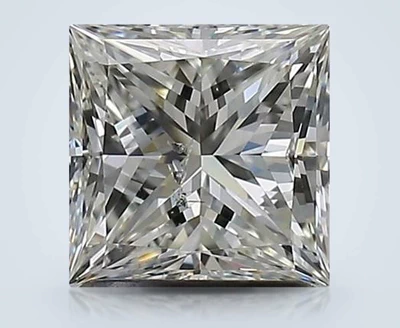
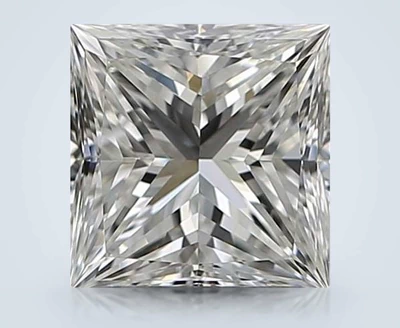
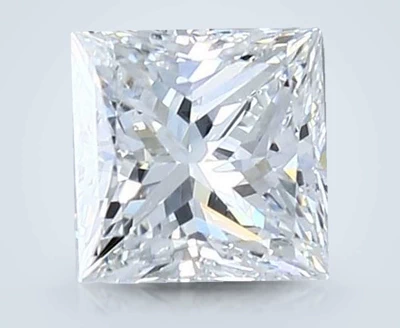
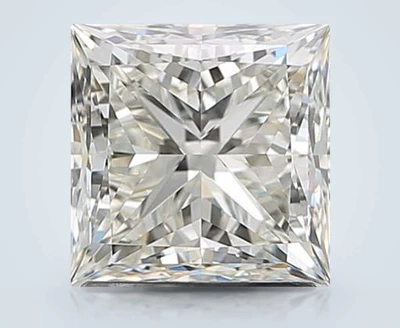
What makes the princess cut different?
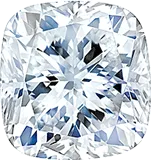
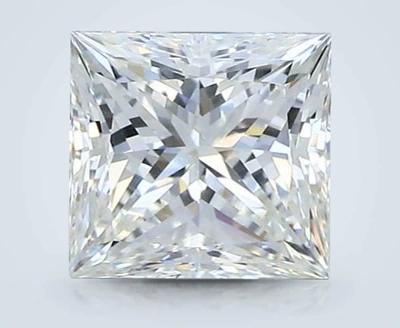
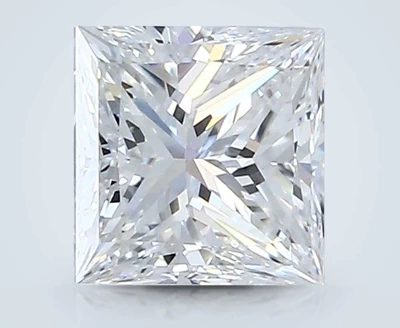
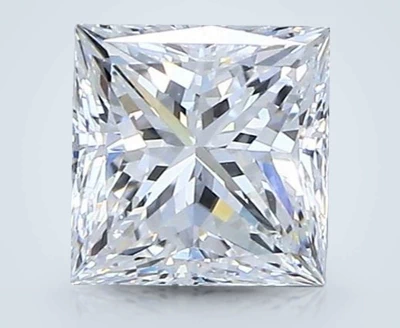
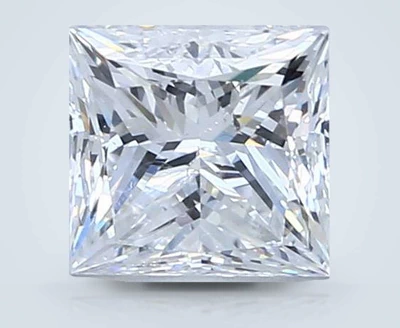
It pairs a square outline with brilliant faceting, so you get the sparkle people expect from round stones in a sharp, architectural shape. As a square diamond it reads clean and modern, and it sits comfortably in solitaires, halos and three stone designs alike. Its other appeal is value: this cut often costs less per carat than the round, the most expensive of the common shapes, so the same spend can mean a larger stone or a better grade. That makes it a favorite with buyers who want a crisp look and a little more diamond for their budget.
How to pick princess diamonds by their grades
Start with proportions, then clarity, then color. GIA gives no single cut grade to fancy shapes, so judge each stone on its proportions and on video, looking for even sparkle right across the face. As a brilliant cut it hides inclusions well, and a VS2 or a clean SI1 often looks eye clean; steer away from inclusions near the corners, the most exposed part of the stone. For color, near colorless G to J looks white in yellow or rose gold, while white gold and platinum show warmth more and suit a higher grade.
Protecting the corners of a princess cut diamond
Put metal at every corner. V prongs cup each point while leaving the square outline on show, and a bezel wraps the full edge for the most protection, which suits active hands at the cost of slightly less light. Thin single prongs at the tips leave the corners more exposed. Look at finished princess engagement rings for ideas, or start with bezel settings if protection comes first.
Natural princess cuts and their lab grown match
Natural princess cuts usually come with a GIA report and hold their value better on resale than lab grown stones. One grown in a lab is the same material at far less cost, so it suits buyers who want more size or a higher grade for the money. Setting natural 1 carat princess cuts beside 1 carat lab grown princess diamonds makes the comparison easy. Whichever you choose, Rare Carat gives you 30 days to return it free, which is time enough to see those corners in daylight.