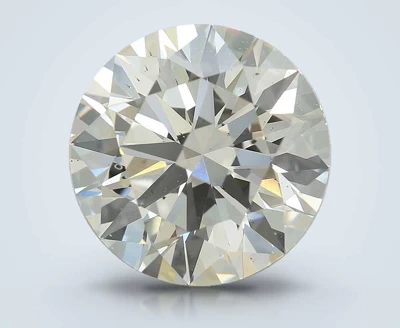
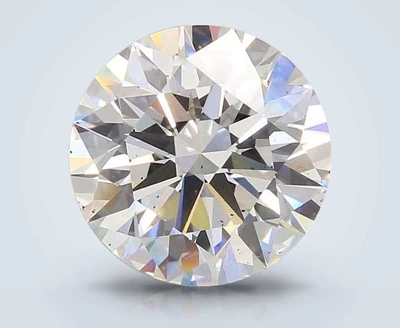
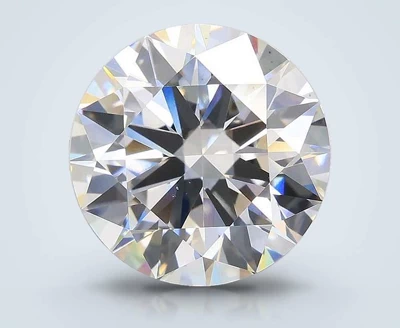
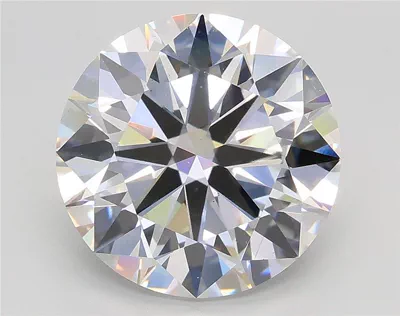
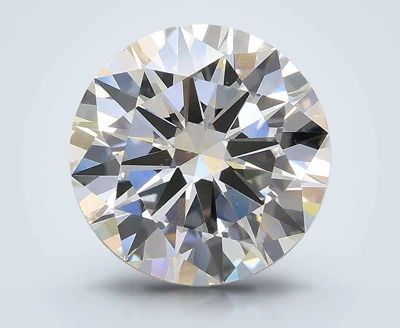
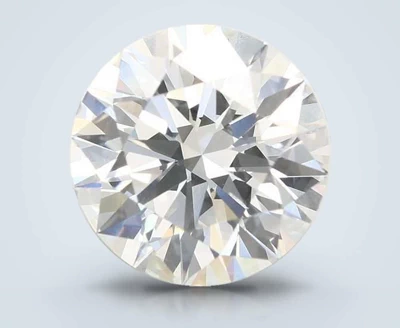
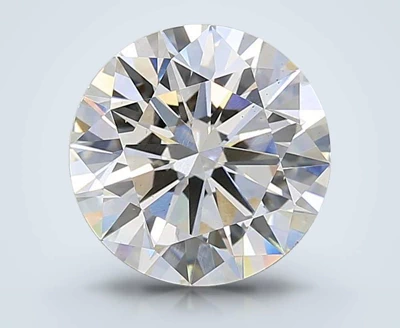
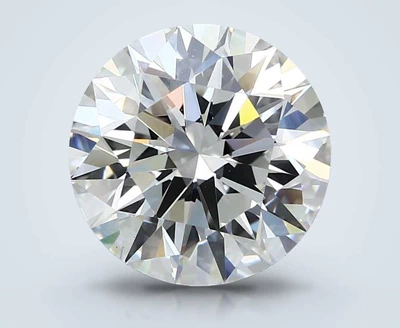
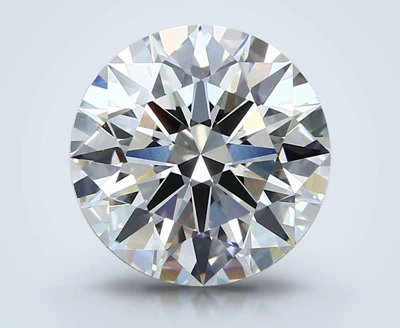
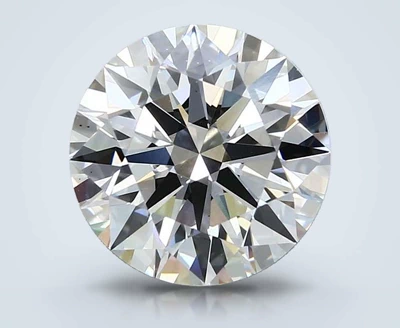
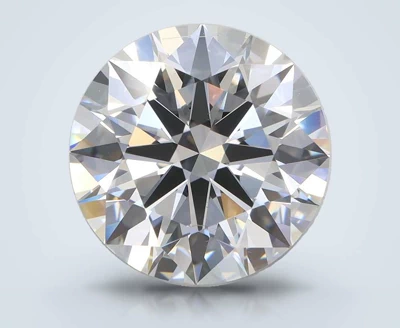
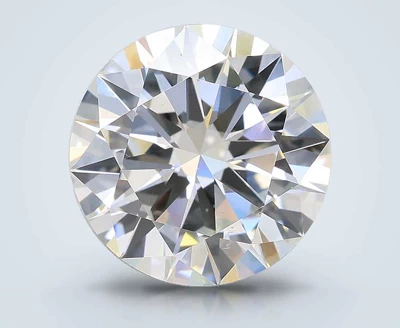
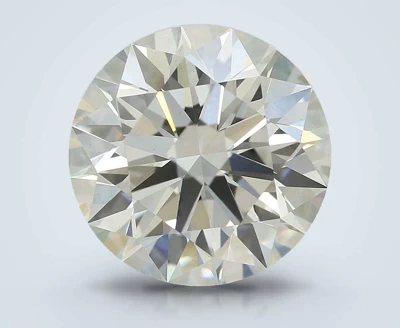
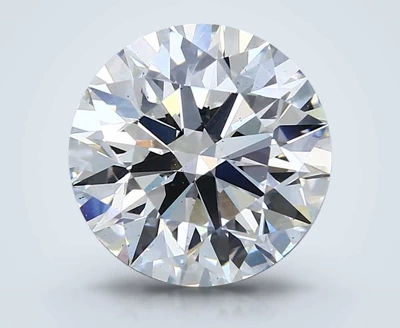
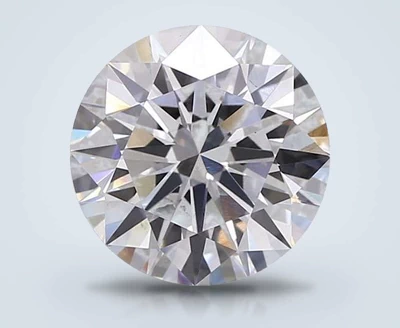
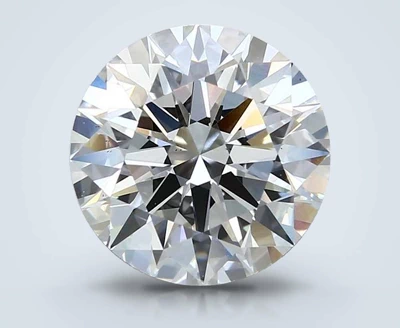
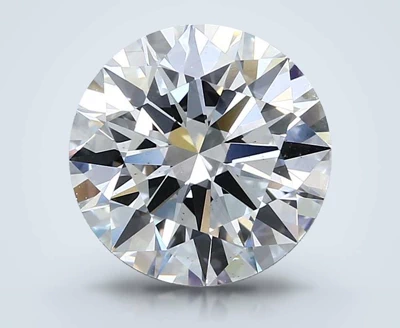
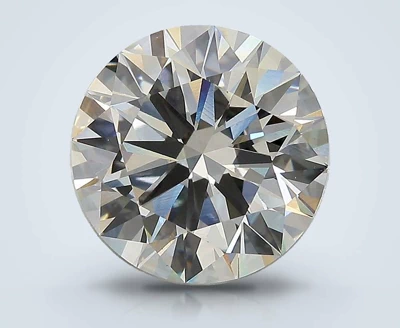
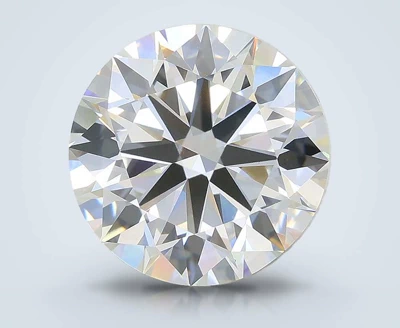
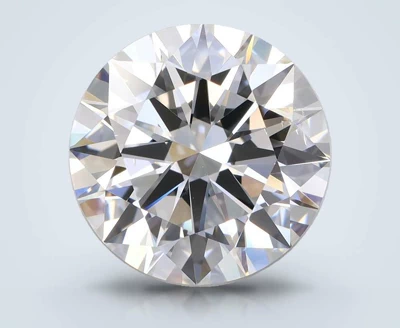
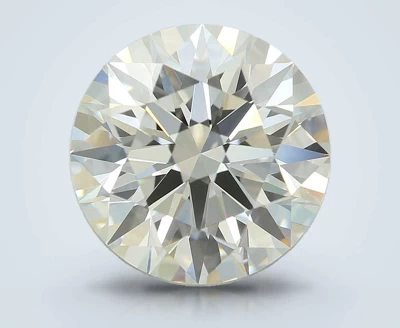
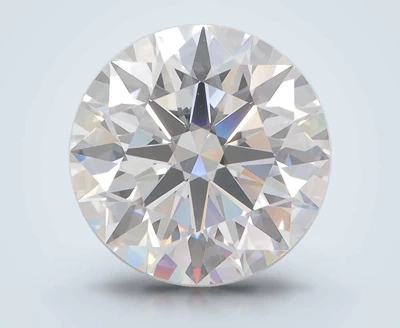
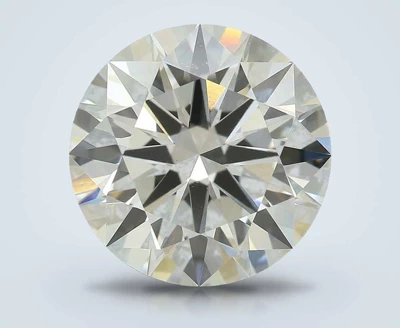
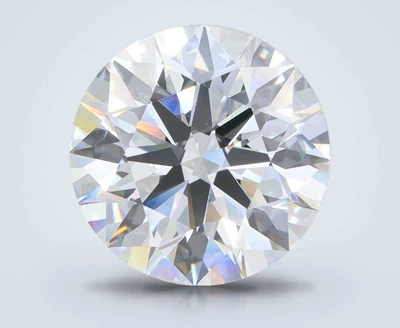
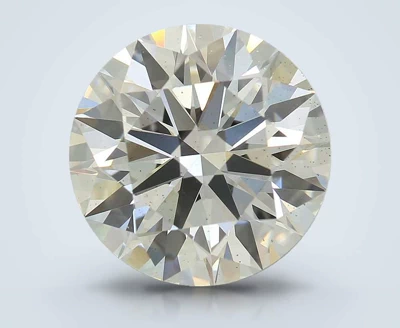
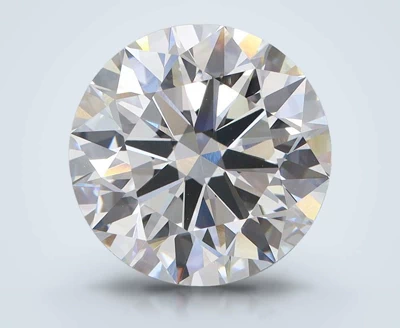
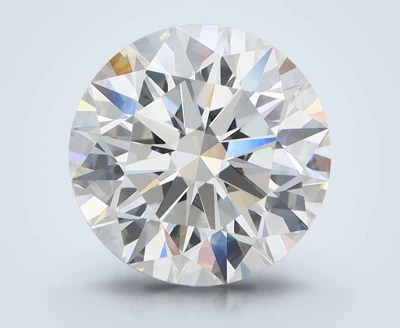
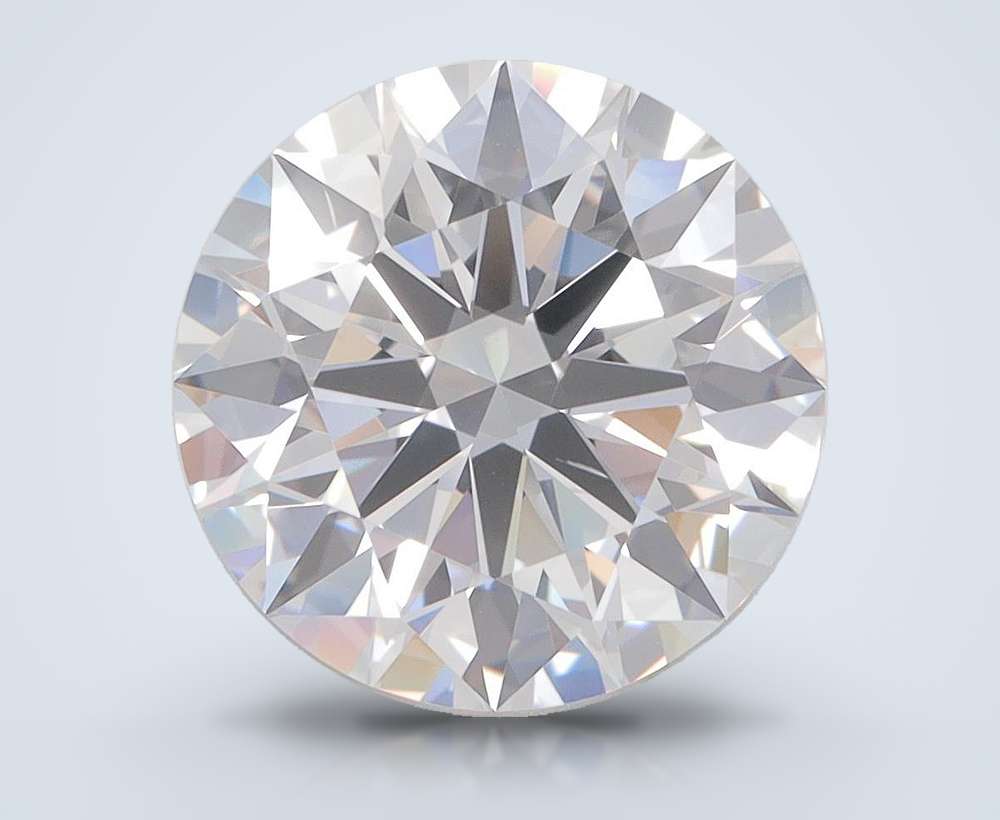
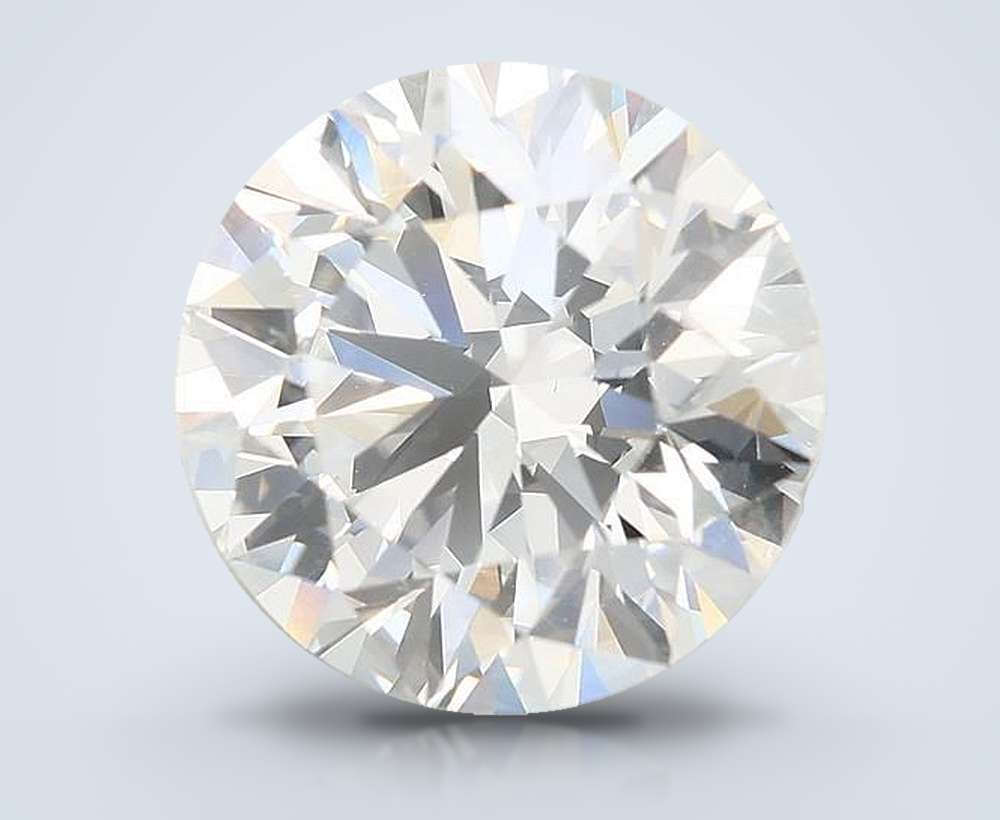
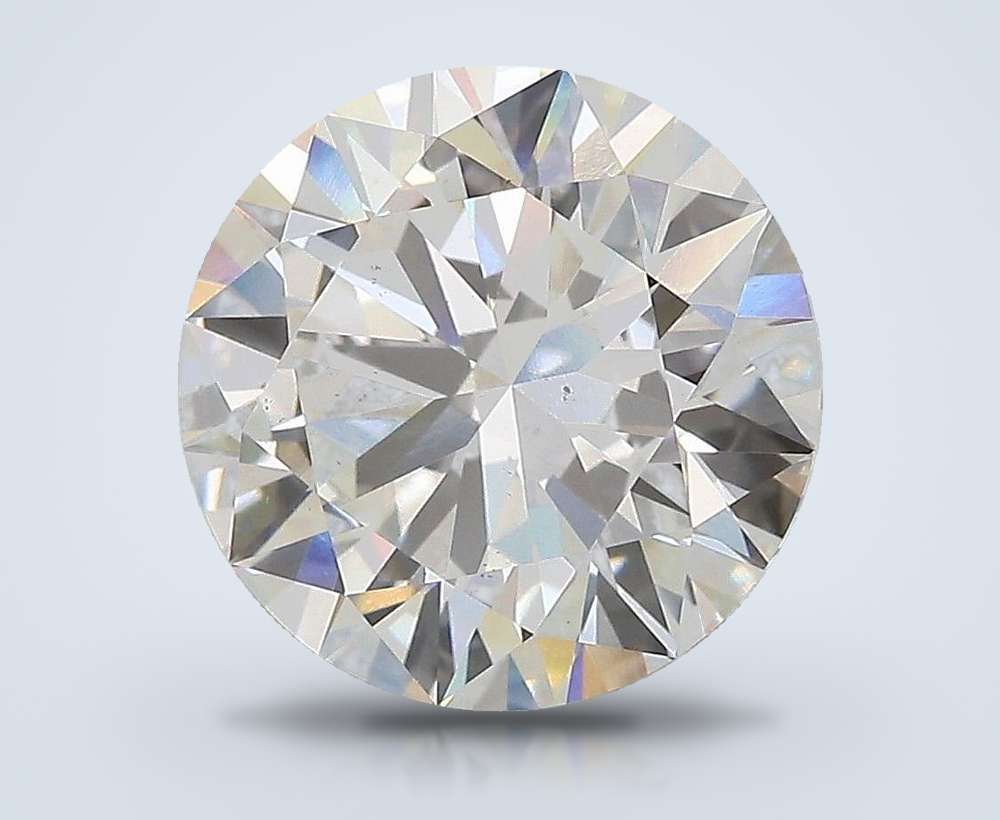
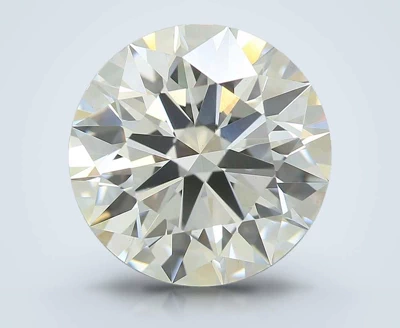
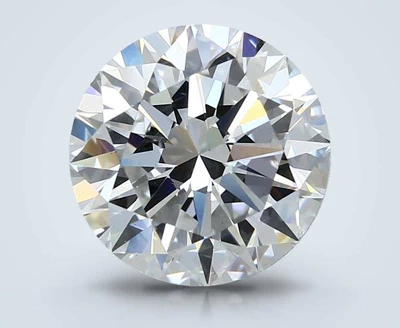
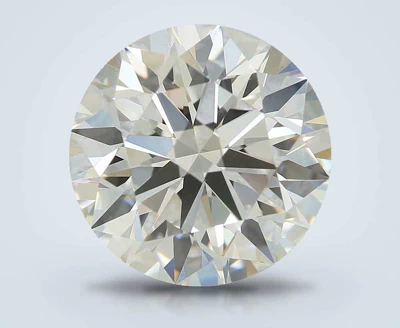
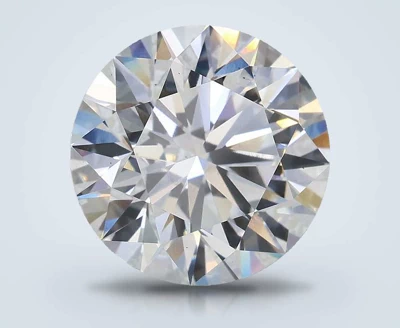
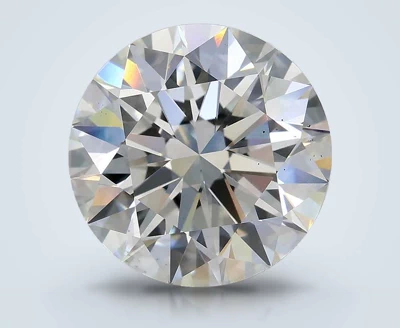
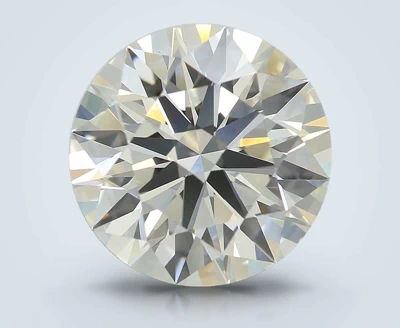
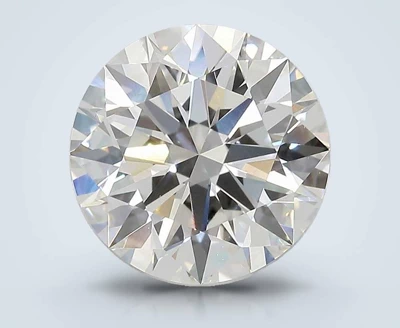
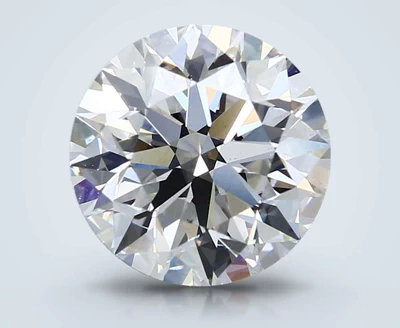
4 Carat Lab Grown Diamond Prices and What Is in Stock
A 4 carat lab grown diamond at Rare Carat starts at $1,780 today, with the current savings applied. There are 55,883 lab stones between 3.90 and 4.10 carats in stock, the same set the grid shows, and the median is $3,668. Nine out of ten cost less than $6,270, and the most expensive in stock is $30,360. Rounds begin at $1,800 with a median of $4,027. The natural market at this weight is a different world: 1,668 stones in stock, starting at $13,150, with a median of $52,325.
Four carats is also where inventory starts to thin out in lab grown. There are roughly a quarter as many 4ct lab diamonds as 1ct ones (55,883 against 246,616), and the color and clarity mix skews heavily toward the colorless, VVS grades because that is what growers aim large rough at. The figures in this guide were taken from Rare Carat inventory on October 16, 2026; counts include every stone in the band, with or without video (50,157 have 360 HD video), and every count and price covers the same set the grid shows (D to K color, FL to SI2 clarity, Good cut or better).
Price per Carat Keeps Climbing: 1, 2, 3 and 4 Carat Lab Compared
Lab grown prices rise with weight, just more slowly than natural ones. On the same day, the cheapest 1 carat lab round at Rare Carat was $330, the cheapest 2 carat round $685, the cheapest 3 carat round $1,345 and the cheapest 4 carat round $1,800. Per carat that is $330, $342, $448 and $450, so the fourth carat costs more than the first, but the whole 4 carat stone still costs less than a natural stone one third its size. The medians follow the same curve.
Lab grown rounds, cheapest and median by carat, same day and same basis (X.90 to X.10 ct bands)
| Size | Cheapest round | Median round | Price per carat at entry |
|---|
| 1 carat | $330 | $464 | $330 |
| 2 carat | $685 | $1,437 | $342 |
| 3 carat | $1,345 | $2,826 | $448 |
| 4 carat | $1,800 | $4,027 | $450 |
Color and Clarity at 4 Carats
On a stone this size, both grades show. Holding clarity at VS2 or better in rounds, D color starts at $3,425 (median $5,506), E at $2,900, F at $2,595 and G at $2,330. H color is close to unobtainable in this weight with only 118 rounds in stock, which is a reminder that a 4 carat lab grown diamond is still a specialty product. On the clarity side, among D to F rounds, VS2 opens at $2,595, VS1 at $2,975, VVS2 at $3,355 and VVS1 at $4,330; IF begins at $5,480 and FL at $6,390. VVS2 is the center of gravity with 5,935 stones.
Rounds, 3.90 to 4.10 ct: color with VS2 or better clarity (11,794 D to K rounds), and clarity in D to F color (11,238 rounds)
| Color | Starts at | Median | In stock | Clarity | Starts at (D to F) | In stock |
|---|
| D | $3,425 | $5,506 | 2,747 | FL | $6,390 | 422 |
| E | $2,900 | $4,073 | 5,495 | IF | $5,480 | 487 |
| F | $2,595 | $3,587 | 2,930 | VVS1 | $4,330 | 1,002 |
| G | $2,330 | $3,112 | 475 | VVS2 | $3,355 | 5,935 |
| H | $2,000 | $2,323 | 118 | VS1 | $2,975 | 2,814 |
| I to K | $2,090 | n/a | 29 | VS2 | $2,595 | 512 |
| All D to K | $2,000 | | 11,794 | SI1 and SI2 | $2,030 | 66 |
| | | | All D to F | $1,800 | 11,238 |
The sensible pairing for most buyers is F or G color with VS1 clarity: whiter than it needs to be in any metal, clean to the eye at arm's length, and priced well below the D VVS stones that dominate the top of the grid. If the ring is platinum and you want no tint under any light, E or D is the answer and the premium is smaller than it would be in a natural stone.
Shapes and Size on the Hand
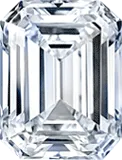
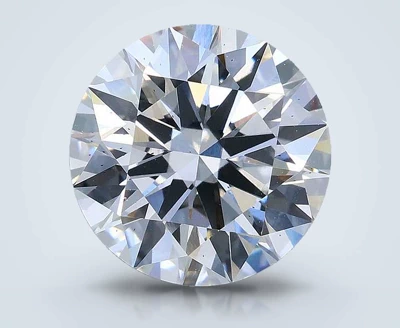
Ovals are the most stocked shape at four carats (12,559 of the 55,883 stones), and the cheapest entry is the cushion at $1,780, against rounds at $1,800. A 4 ct round measures about 10.2 to 10.4 mm, an oval 12.5 by 9.5 mm, an emerald cut 10.5 by 8 mm and a pear close to 14 by 9.5 mm. At these dimensions the setting is part of the decision: a stone this wide wants a band of 2.3 mm or more and prongs sized for it, and elongated shapes sit lower and are easier to wear daily than a round of the same weight.
3.90 to 4.10 ct lab grown, every stone the grid shows (D to K color, SI2 or better clarity, Good cut or better), prices you pay today
| Shape | Starts at | Median price | Typical face-up size | In stock |
|---|
| Oval | $1,900 | $3,513 | 12.5 x 9.5 mm | 12,559 |
| Round | $1,800 | $4,027 | 10.2 to 10.4 mm | 11,874 |
| Emerald | $2,020 | $3,959 | 10.5 x 8 mm | 7,938 |
| Radiant | $1,995 | $3,685 | 10.5 x 8.5 mm | 6,750 |
| Cushion | $1,780 | $3,678 | 9.5 to 10 mm | 5,864 |
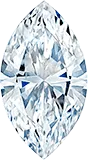
| Marquise | $2,520 | $3,791 | 16.5 x 8.5 mm | 3,764 |
| Pear | $2,135 | $3,607 | 14 x 9.5 mm | 2,619 |
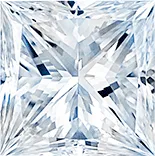
| Asscher | $2,155 | $3,620 | 9 mm square | 1,953 |
| Princess | $2,075 | $3,529 | 9 mm square | 1,885 |
| Heart | $2,535 | $3,727 | 10.5 x 10.5 mm | 677 |
| All shapes | $1,780 | $3,668 | | 55,883 |
Natural 4 Carat vs Lab 4 Carat
A natural G color VS1 round of four carats starts at $46,945 at Rare Carat, and only 6 are in stock; the lab grown equivalent starts at $2,555 with 130 to choose from. For G color VS2, natural opens at $48,180 and lab at $2,330. Across the whole weight class, the median natural stone is $52,325 and the median lab stone $3,668. Both are graded by the same labs on the same scale, both are inspected under the same microscope in New York before they ship, and both qualify for the same returns and warranty. The 4 carat natural diamonds page shows the mined inventory with the same filters.
Lab grown vs natural, 3.90 to 4.10 ct rounds
| Grade | Lab grown from | In stock (lab) | Natural from | In stock (natural) |
|---|
| G color, VS1 | $2,555 | 130 | $46,945 | 6 |
| G color, VS2 | $2,330 | 57 | $48,180 | 15 |
| H color, SI1 | $2,000 | 1 | $44,305 | 23 |
| All grades, all shapes | $1,780 | 55,883 | $13,150 | 1,668 |
Buying a Large Lab Diamond: What to Check
Four things matter more at this size than at one carat. First, cut precision: filter to Excellent or Ideal, or use the Rare Carat Ideal filter, because a large stone with shallow or deep proportions leaks light in a way that is obvious at a glance. Second, color consistency: a 4ct lab diamond can show faint tint toward the points of a pear or marquise, so watch the 360 HD video at the tips as well as the table. Third, fluorescence: all 11,874 rounds here report none, and the fluorescence guide explains when the rest matter. Fourth, the paperwork: 50,908 of these stones carry IGI reports, 4,469 GIA and 506 GCAL, and the inscription on the girdle is matched to the report by our New York staff after you order.
Every order is placed with Rare Carat as the merchant of record, backed by a stock of more than 2 million natural and lab grown diamonds. Our gemologists work without commission and will compare finalists with you by chat or phone. Shipping is free and fully insured, returns are free for 30 days, resizing is free for the first year, and every ring carries a lifetime manufacturing warranty. Affirm, Klarna, Afterpay, PayPal Pay Later and Katapult are all offered at checkout. Google and Trustpilot both rate Rare Carat 5 out of 5, and Trustpilot ranks it the highest rated jewelry brand in America. For the next sizes, see 3 carat lab grown diamonds and 5 carat lab grown diamonds.
Counts and prices cover every lab grown diamond between 3.90 and 4.10 carats in Rare Carat inventory on October 16, 2026 that the grid on this page shows: all shapes, D to K color, FL to SI2 clarity, Good cut or better, GIA, IGI or GCAL graded, with or without video (55,883 stones, 50,157 with 360 HD video). Prices shown are today's, with the current savings already applied; the regular price is struck through on each stone. Starting prices are the cheapest stone in each group that day. One, two and three carat comparisons use the same day and the same basis. Face-up sizes quoted are for well cut stones and shift with depth.