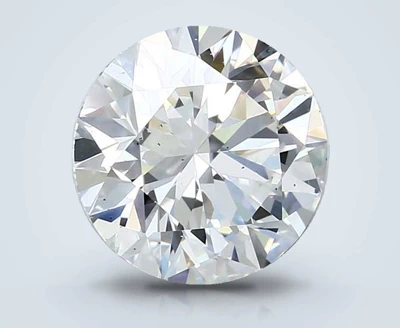
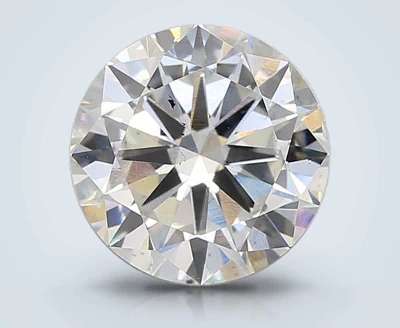
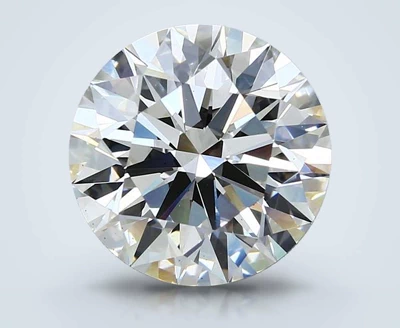
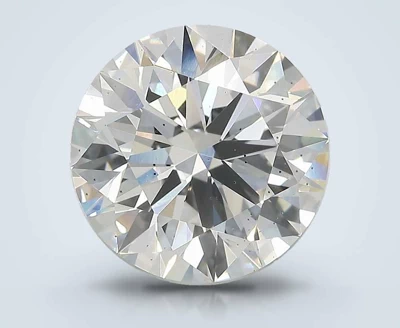
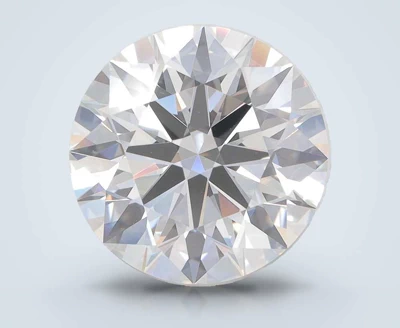
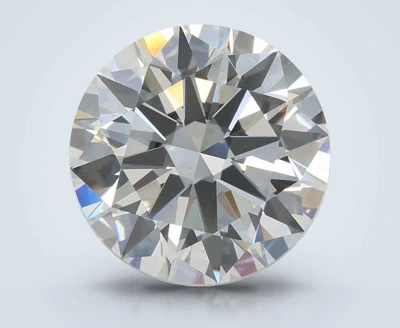
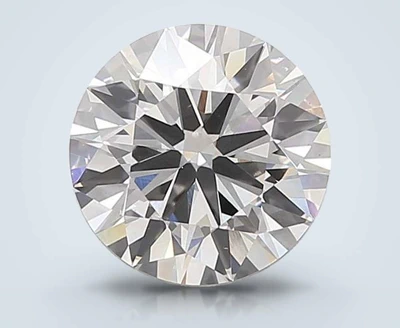
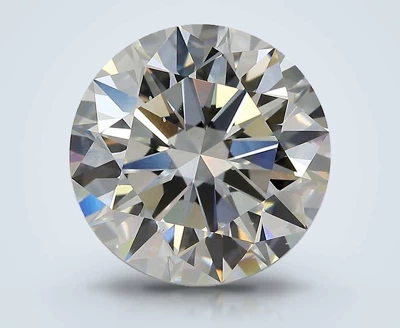
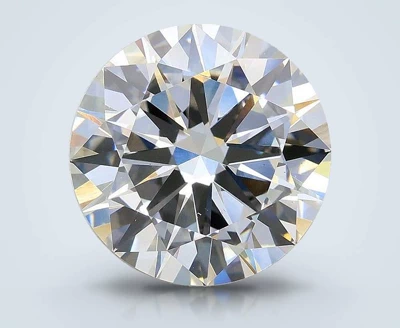
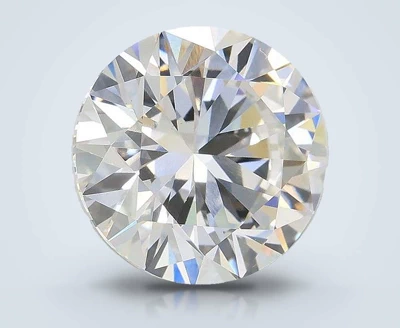
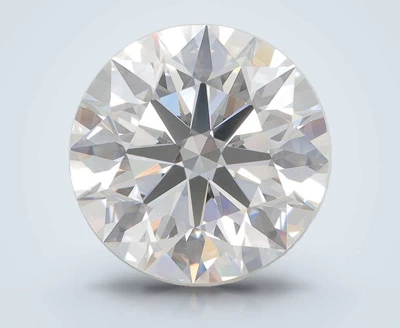
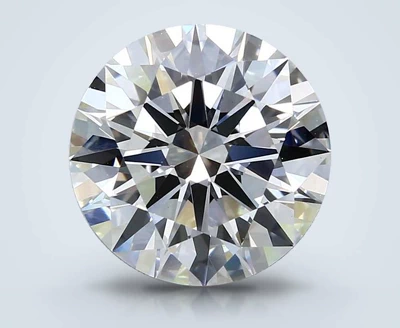
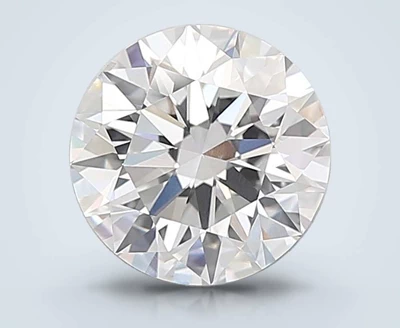
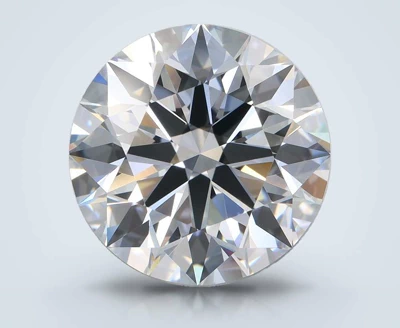
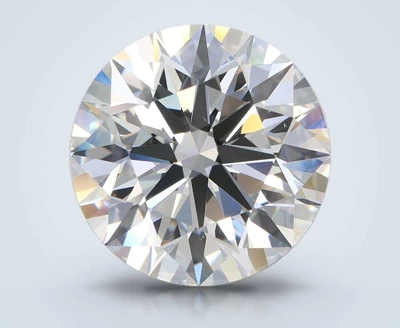
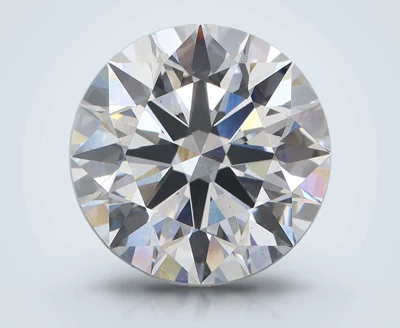
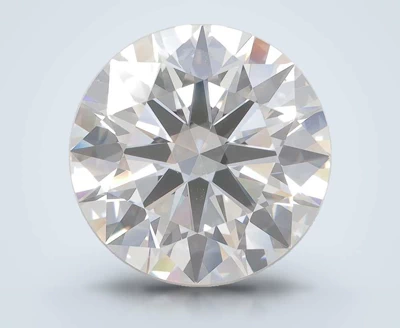
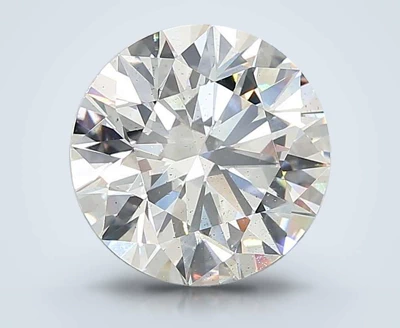
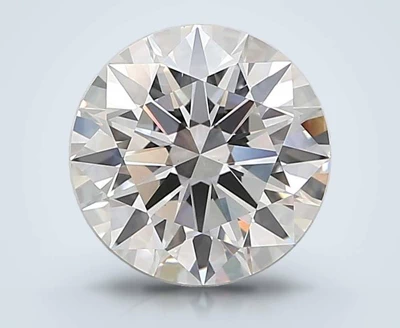
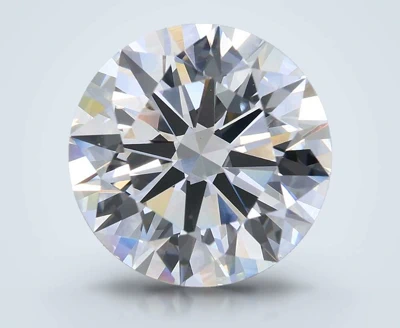
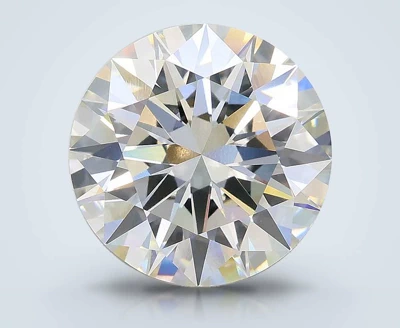
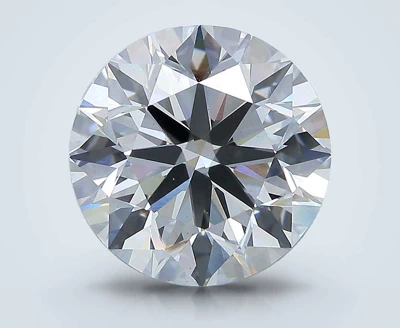
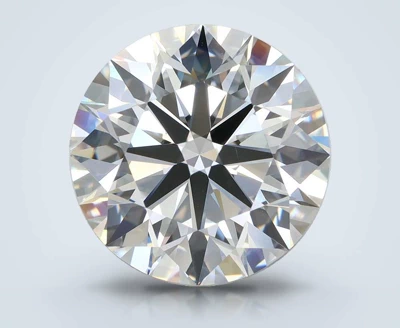
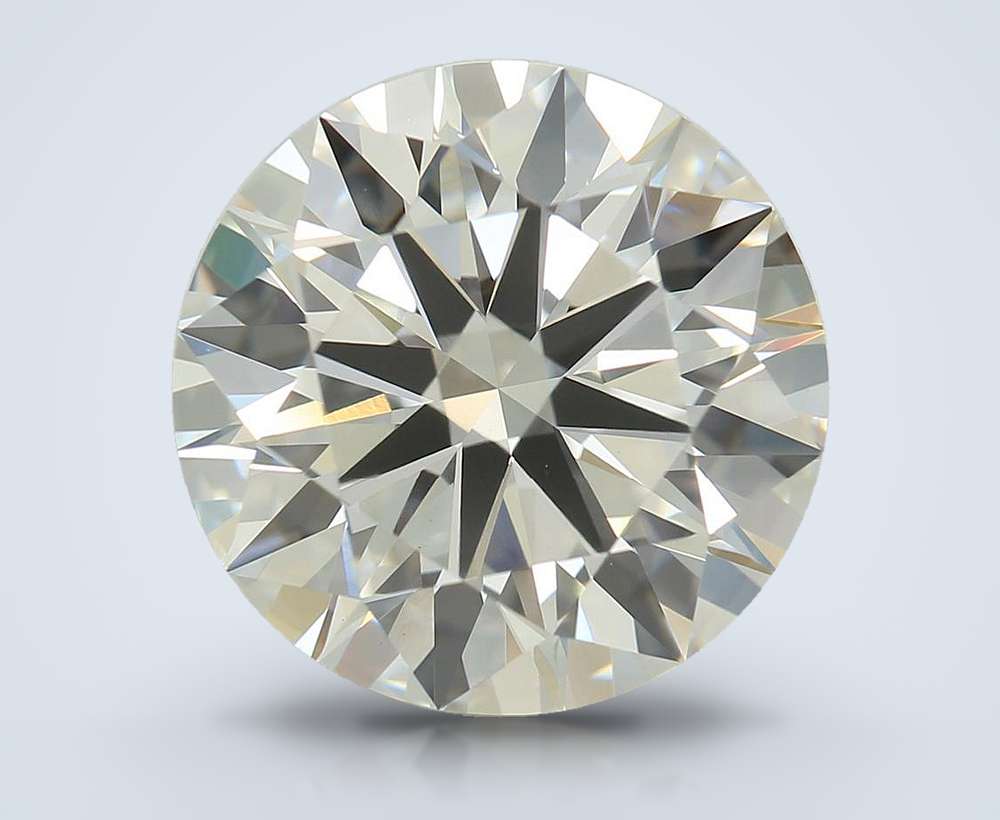
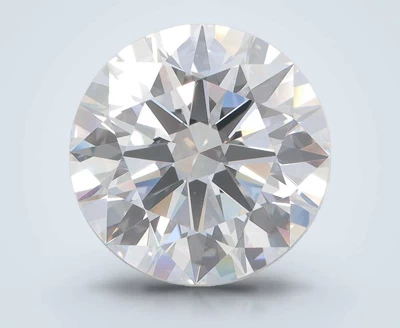
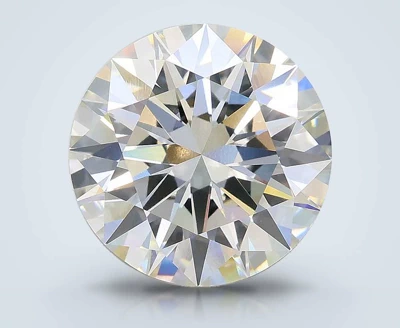
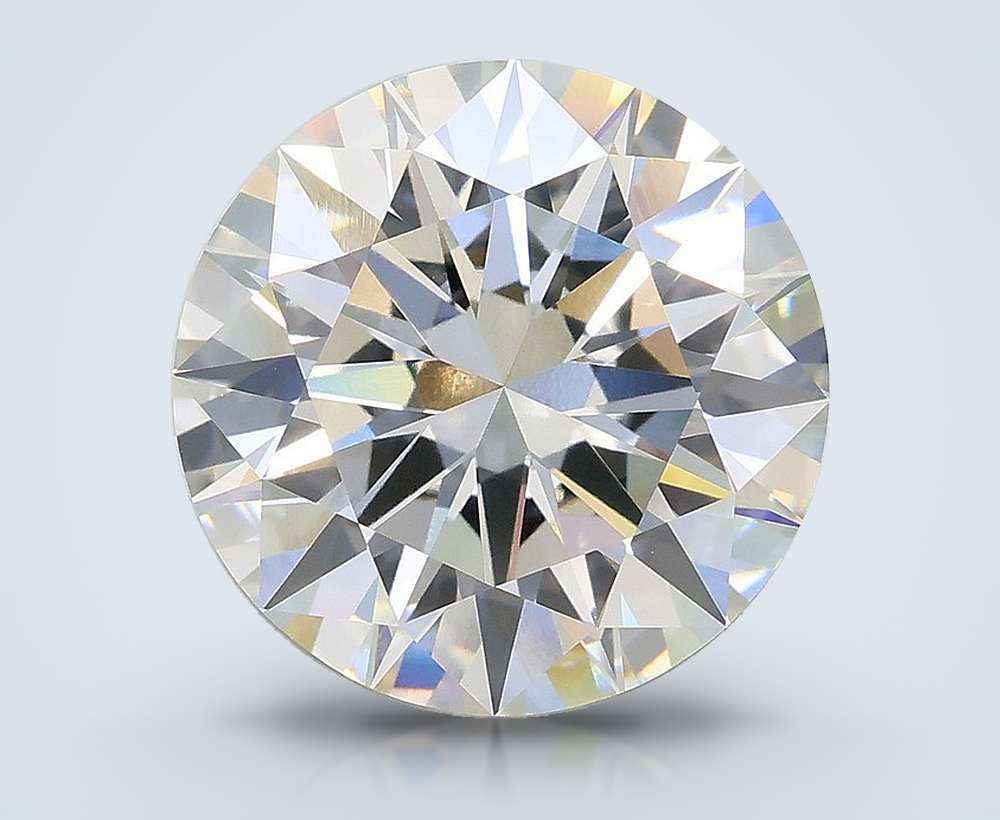
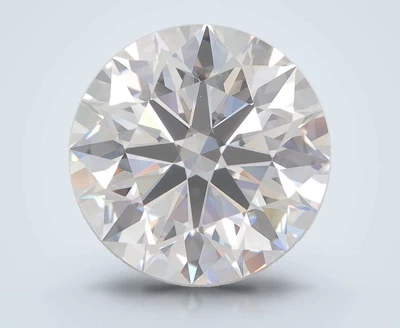
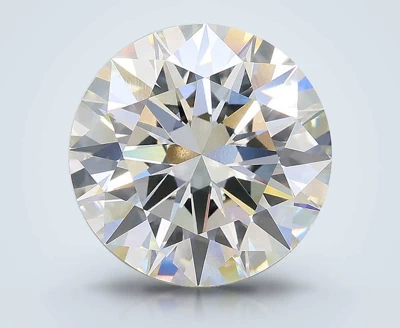
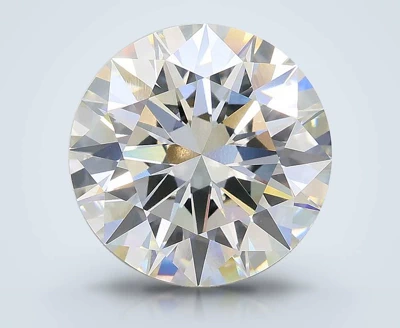
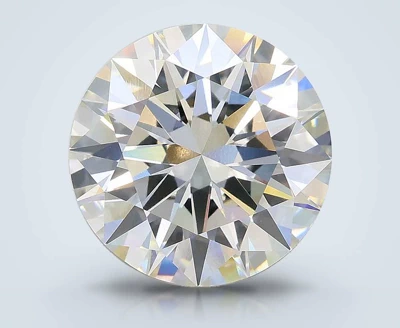
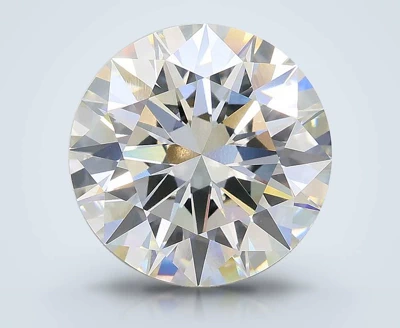
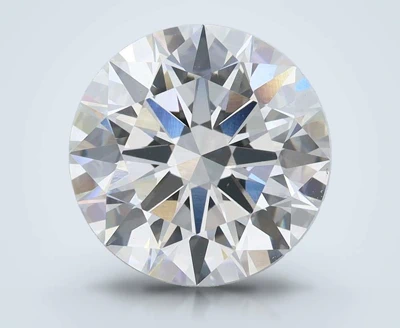
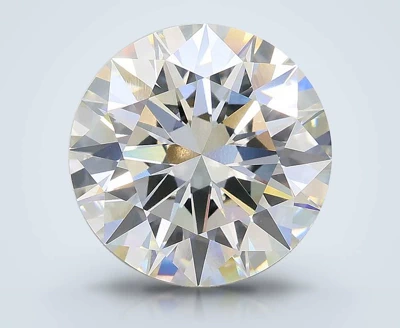
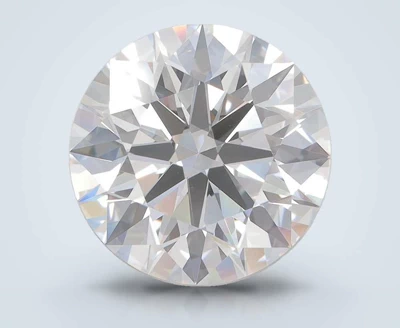
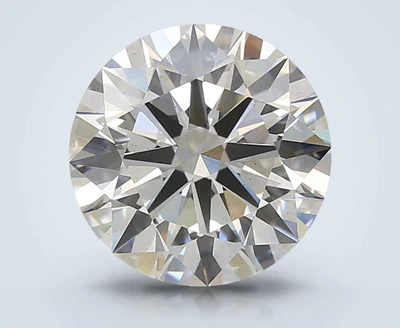
How big is a 5 carat lab grown diamond?
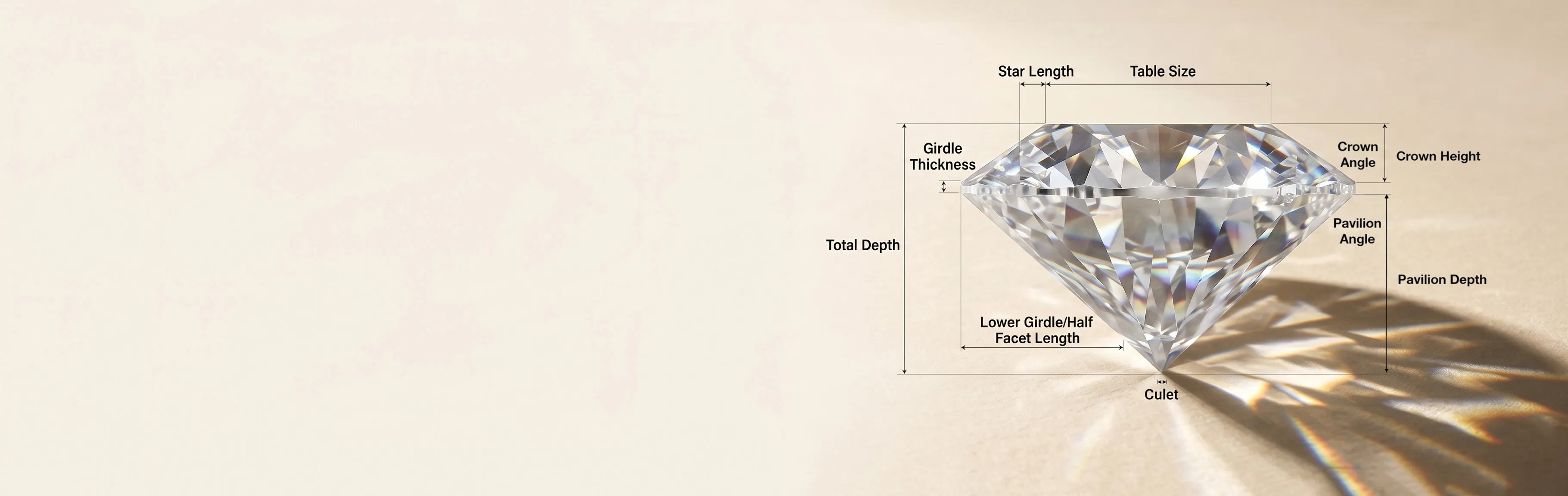
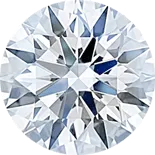
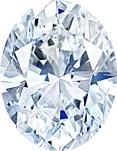
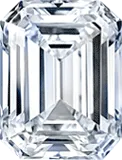
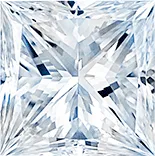
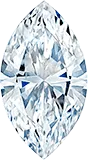
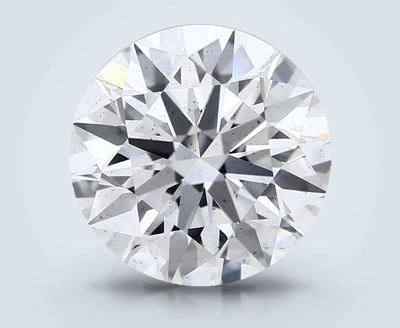
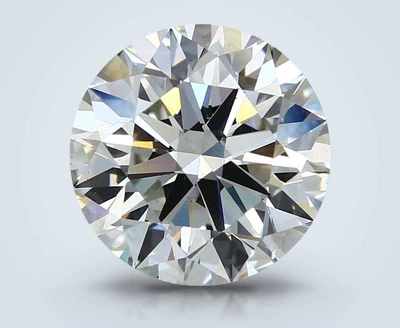
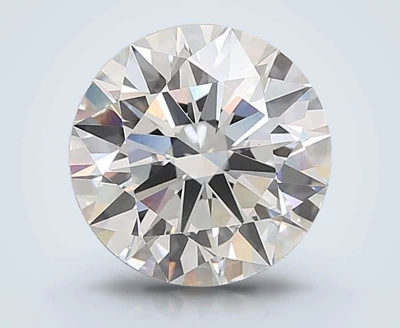
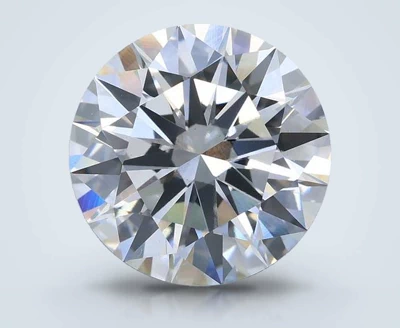
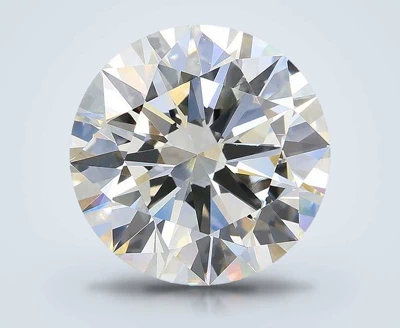
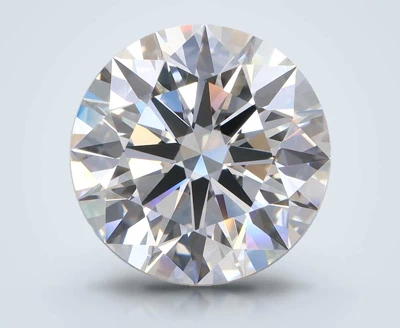
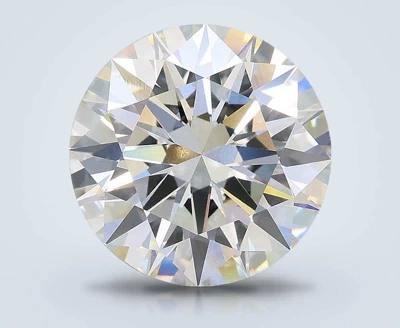
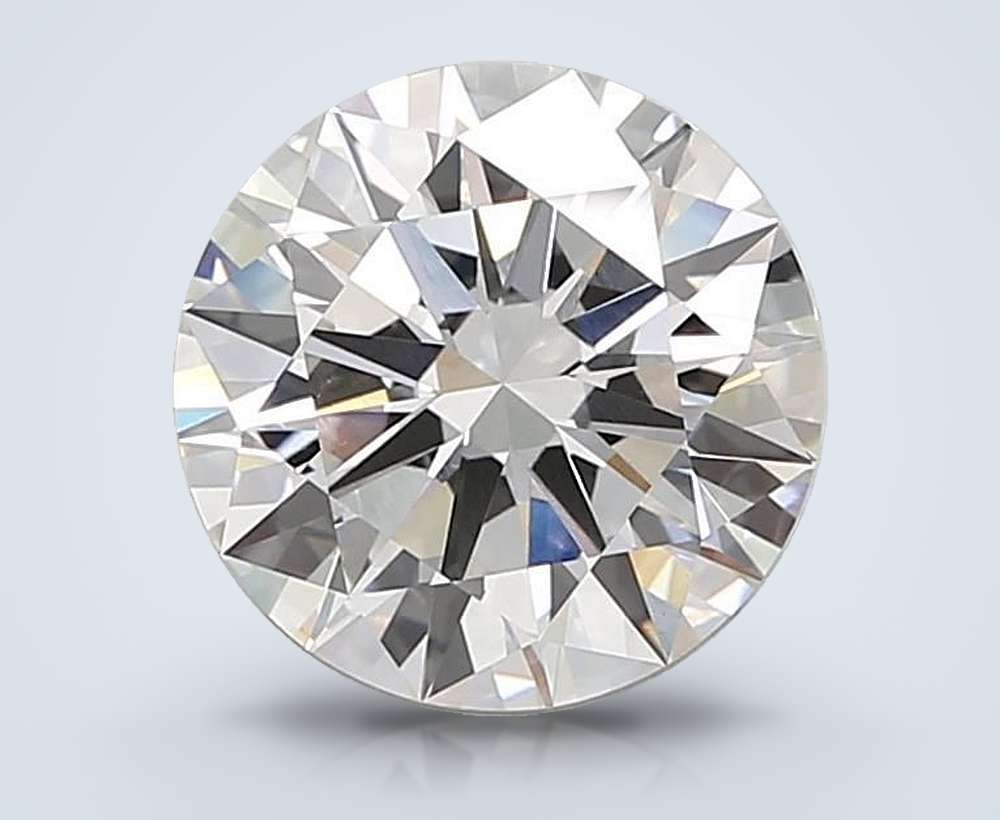
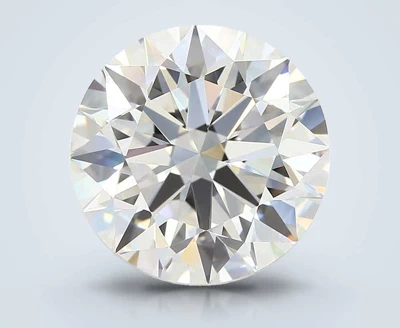
Face up, a well cut round of five carats measures about 11.1 mm, a clear step beyond a 4 carat round at about 10.2 mm. Shape changes the impression a great deal. An oval, pear or marquise of the same weight looks longer and makes the finger look slimmer, while an asscher faces up smaller than a round. A stone this size also has real weight and height, so picture it on your hand through an ordinary day, not only in a photo.
Grades that start to show at five carats
Big diamonds give color and clarity more room to show, so choices that are safe in a small stone deserve a second look. Platinum and white gold reveal warmth, which argues for a colorless grade or the very top of near colorless; yellow and rose gold hide a warmer stone and let you go lower. Clarity should look clean on video at full size, and emerald or asscher cuts, with their open step facets, are safer at VS1 or VS2. Cut still leads, because an Excellent or Ideal round returns the most light whatever it weighs.
What drives a 5ct lab grown diamond price
The same levers as any diamond, only magnified: cut, color, clarity and shape, with rounds costing the most per carat of the common shapes. Because lab grown stones cost far less than natural diamonds of matching size and grade, a 5 carat lab diamond becomes a size people can actually consider. The tradeoff is resale, which is low for lab grown, so choose a stone you want to wear rather than one you expect to sell. If holding value matters to you, look at natural 5 carat diamonds before deciding.
Mounting a large stone so it stays put
Security is the setting's first job. Six prongs grip a big round more firmly than four and soften its outline; a bezel wraps the whole edge in metal and suits active hands, though it shows slightly less light. Pears and marquises need V prongs on their points. See how designers handle this size in 5 carat lab grown engagement rings. Once you order, Rare Carat's New York team inspects the diamond under a microscope and matches its laser inscription to the grading report, which for lab grown stones usually comes from IGI.