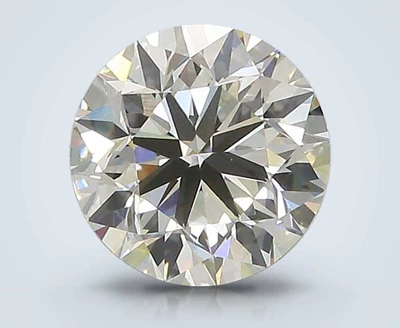
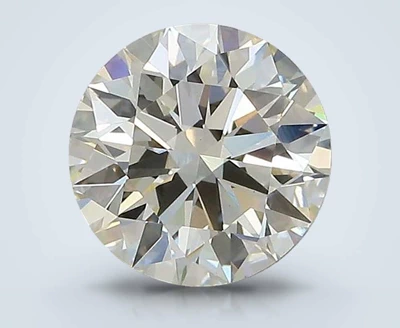
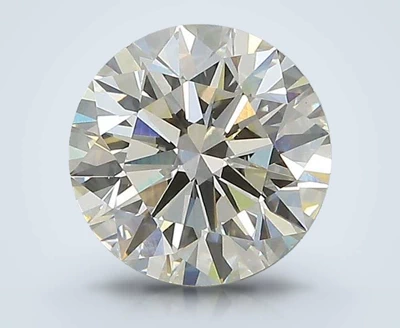
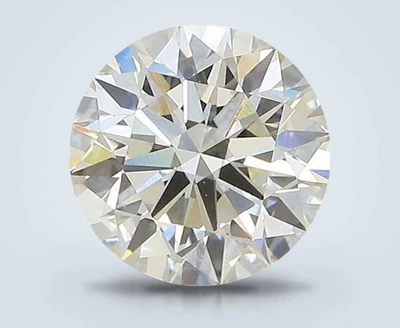
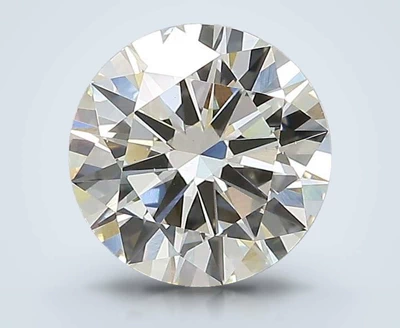
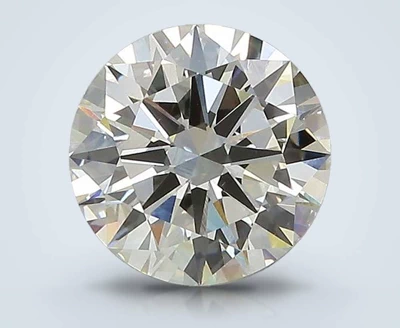
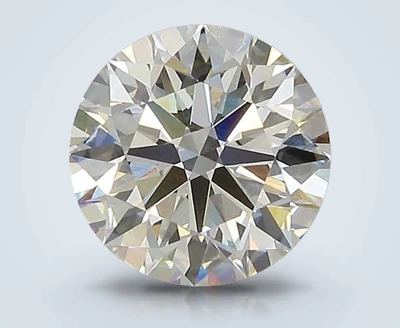
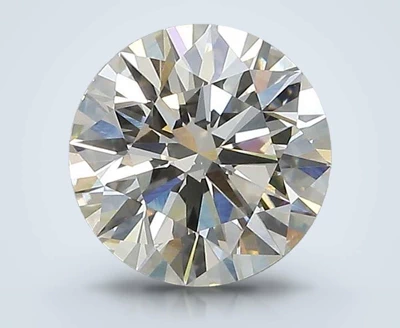
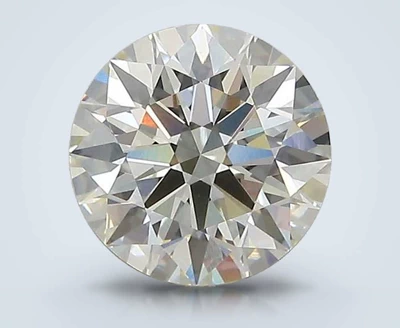
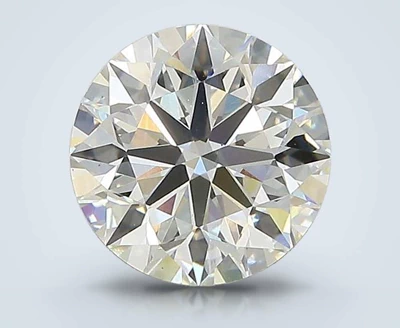
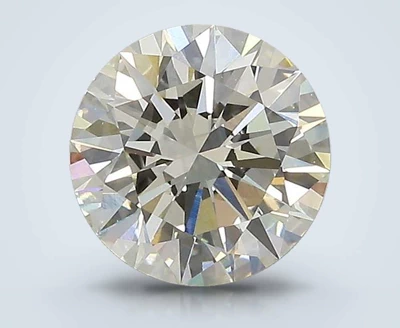
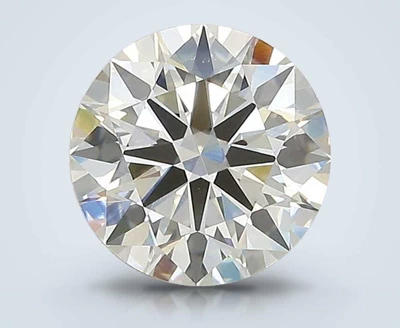
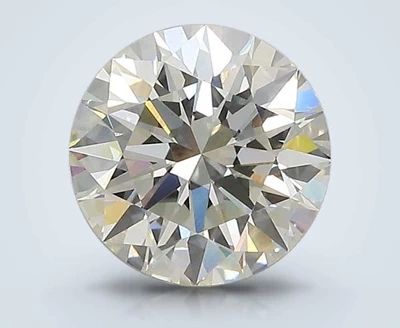
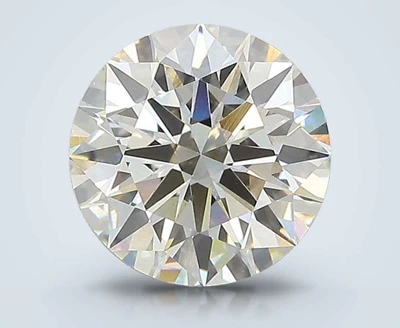
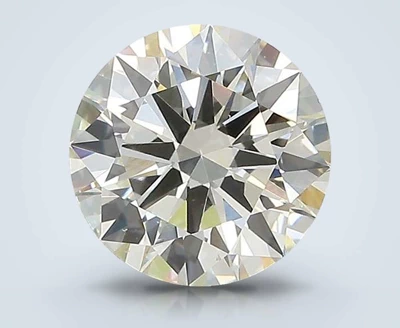
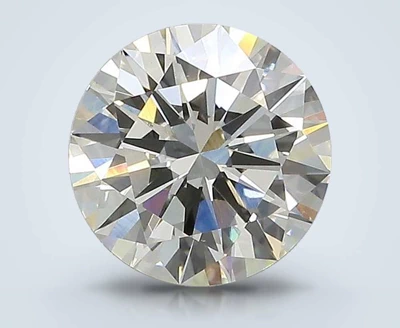
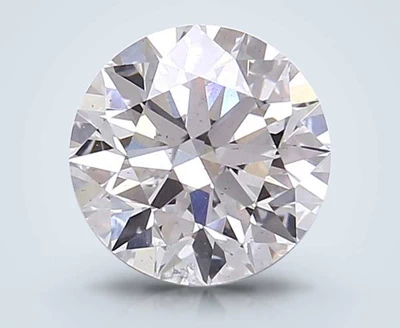
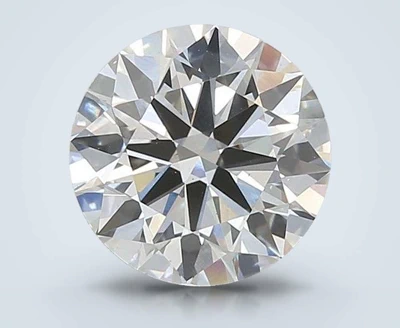
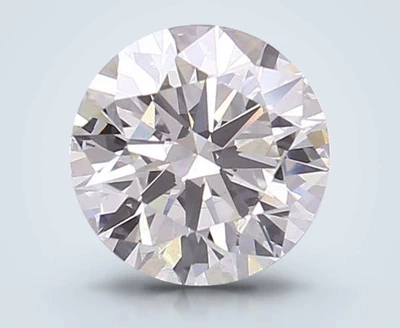
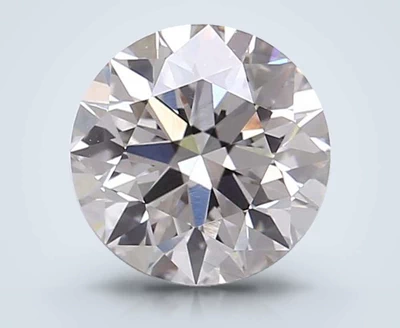
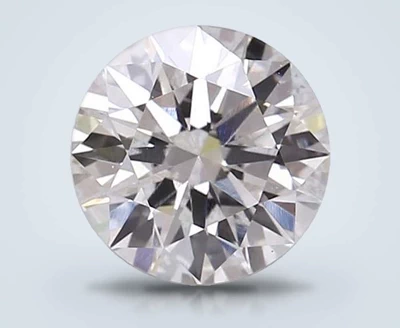
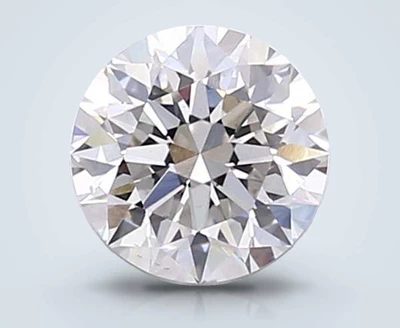
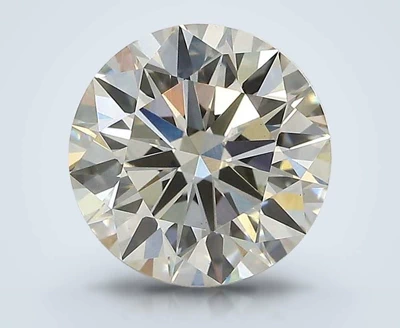
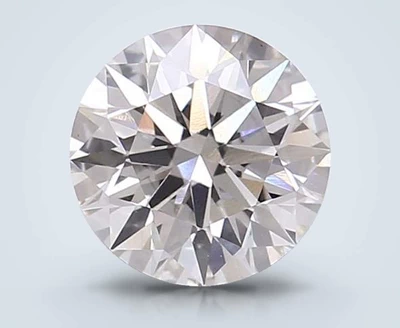
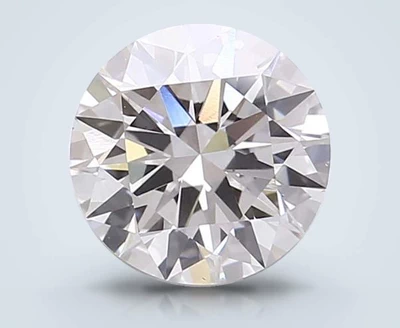
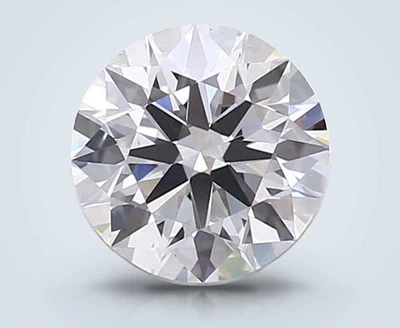
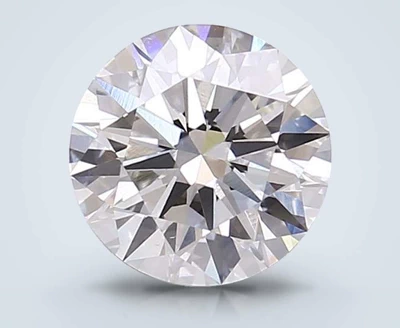
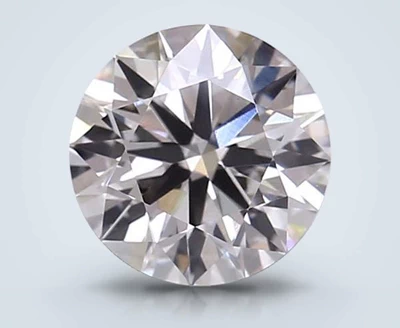
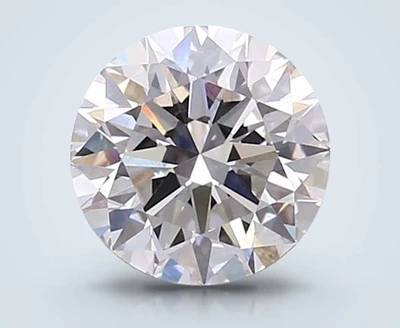
What a 2 Carat Lab Grown Diamond Costs Right Now
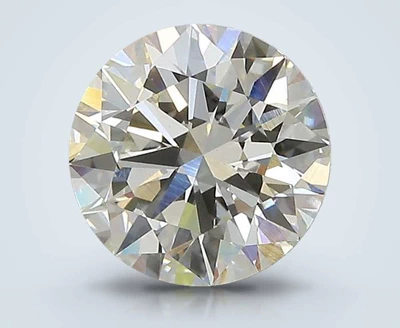
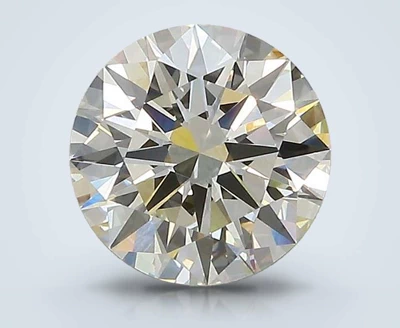
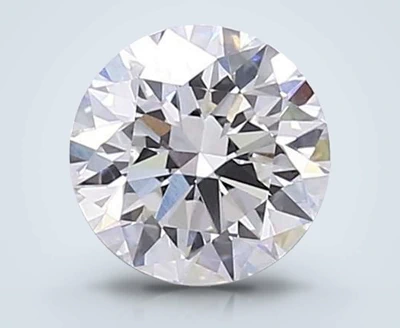
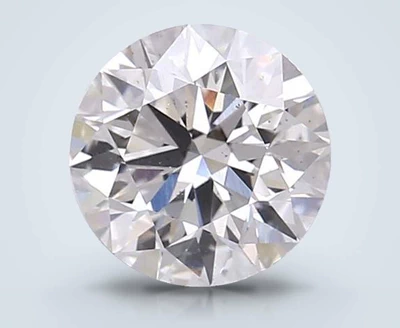
A 2 carat lab grown diamond at Rare Carat starts at $685 today, the price you pay with the current savings already taken off. There are 151,374 lab stones between 1.90 and 2.10 carats on this page, the same set the grid shows; half sell for under $1,574, and nine out of ten are under $2,088. Rounds run from $685 to $8,250, with the middle of the market at $1,437. Two carats is the size where the gap between lab and natural stops being a discount and becomes a different category of purchase: a natural 2 carat diamond here begins at $2,495, and the typical one costs $12,406.
Those figures come from Rare Carat inventory on October 16, 2026. Counts include every stone in the band, with or without video (130,652 of the 151,374 have 360 HD video), and every count and price covers the same set the grid shows (D to K color, FL to SI2 clarity, Good cut or better). We refresh them regularly, so treat any number here as a snapshot rather than a quote.
Why Two Carats Is Where Lab Grown Pulls Away
At one carat a lab stone costs about a quarter of its natural twin. At two carats the ratio falls to about a tenth, because natural prices climb steeply with weight while lab prices climb slowly. The clearest example is a G color VS1 round: the lab grown version opens at $945 and the natural version at $8,640, with half of the natural stones priced between $17,340 and $30,340. Step up to E color VVS2 and the lab stone is $1,290 against $16,730 for natural.
Lab grown vs natural, 1.90 to 2.10 ct rounds, same grade
| Grade | Lab grown from | Natural from | Natural median | Lab as a share of natural |
|---|
| G color, VS1 | $945 | $8,640 | $17,340 | About 11% |
| G color, VS2 | $925 | $10,140 | $18,600 | About 9% |
| E color, VVS2 | $1,290 | $16,730 | $23,872 | About 8% |
| Every grade and shape | $685 | $2,495 | $12,406 | Median $1,574 vs $12,406 |
The practical effect is that a budget which buys a 1 carat natural diamond in a middling color buys a 2 carat lab grown diamond in a top color with money left for the setting. If you want to see the mined side of that comparison, our 2 carat diamonds page uses the same filters.
Color Starts to Matter at Two Carats
On smaller lab stones color barely moves the price. At two carats it does, because a 2ct lab diamond shows body color more readily and growers charge for the colorless grades. Holding clarity at VS2 or better in rounds, D color opens at $1,085 with a median of $1,593, E at $1,025, F at $1,050, and G at $925. H color is the thinnest part of the market with 790 stones, and it opens at $930. Below H the stock almost disappears, which tells you most two carat lab rough is grown to come out colorless.
Starting and median price by color, rounds with VS2 or better clarity, 1.90 to 2.10 ct
| Color | Starts at | Median | In stock | Read |
|---|
| D | $1,085 | $1,593 | 15,304 | Icy white, the most common grade here |
| E | $1,025 | $1,528 | 19,992 | Same look as D to the eye |
| F | $1,050 | $1,408 | 8,608 | Last of the colorless grades, saves a little |
| G | $925 | $1,197 | 2,066 | Faces up white in a white metal setting |
| H | $930 | $1,047 | 790 | Fine in yellow or rose gold, scarce at this size |
| I to K | $705 | | 107 | A handful of stones; check the video for tint |
| All D to K | $705 | | 46,867 | |
Clarity: Where the Money Goes
Clarity is the bigger lever. Among colorless (D to F) rounds, VS2 clarity starts at $1,025, VS1 at $1,135, VVS2 at $1,270 and VVS1 at $1,525. Internally flawless opens at $2,330 and flawless at $2,710, roughly two and a half times the VS2 entry price for a difference that only a loupe can find. SI1 stones are rare in this range (383 in stock) and, unlike natural diamonds, they do not come with a meaningful discount, so there is little reason to go below VS2.
Starting price by clarity, D to F color rounds, 1.90 to 2.10 ct
| Clarity | Starts at | In stock | Worth paying for? |
|---|
| FL | $2,710 | 1,774 | A certificate grade, not a visible one |
| IF | $2,330 | 1,560 | Same answer |
| VVS1 | $1,525 | 5,761 | Clean under 10x magnification |
| VVS2 | $1,270 | 18,657 | The most stocked grade at two carats |
| VS1 | $1,135 | 12,526 | Eye clean, our usual recommendation |
| VS2 | $1,025 | 3,626 | Eye clean in most stones, check the video |
| SI1 | $935 | 383 | Few in stock and no real saving |
| SI2 | $765 | 13 | Rare in lab; inclusions show at this size |
| All D to F rounds | $765 | 44,300 | |
Face-Up Size by Shape at 2 Carats
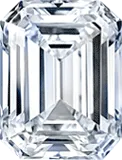
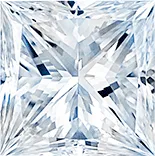
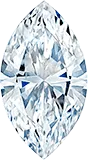
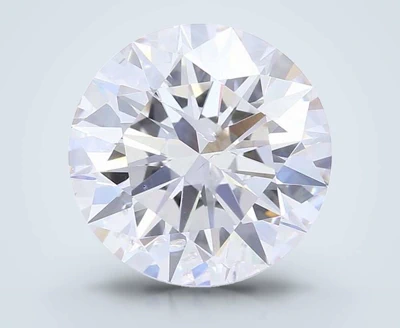
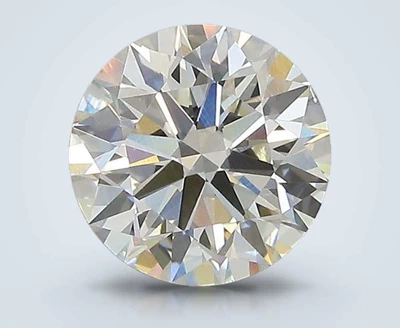
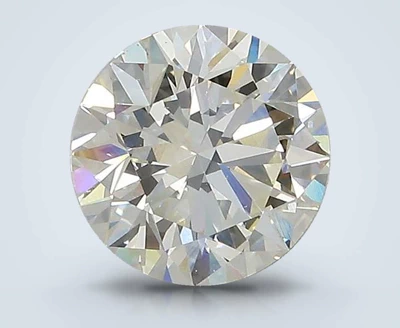
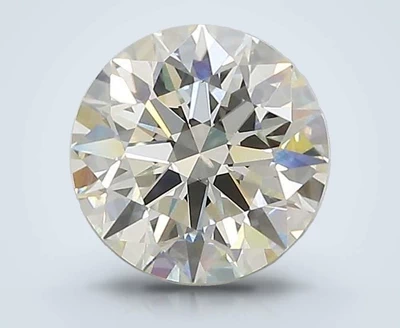
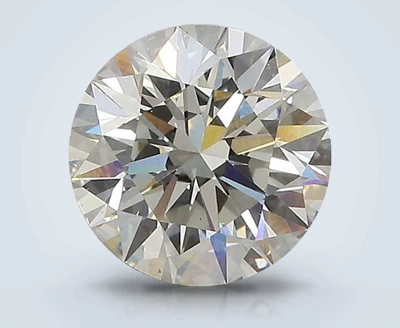
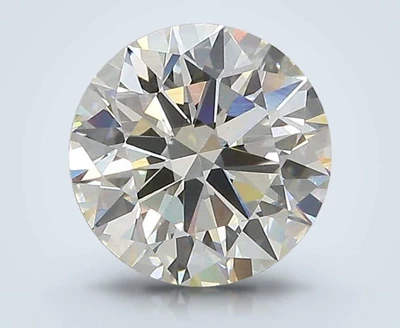
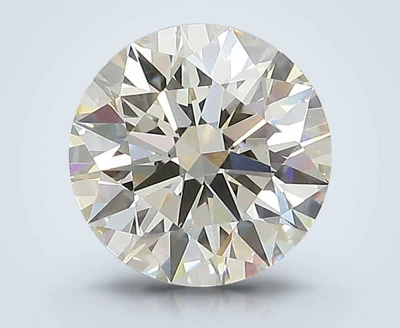
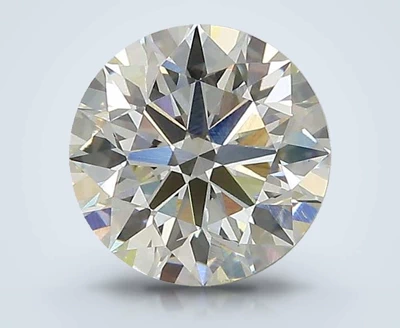
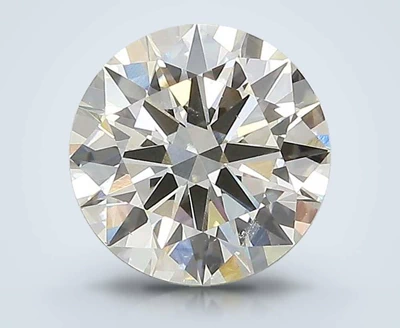
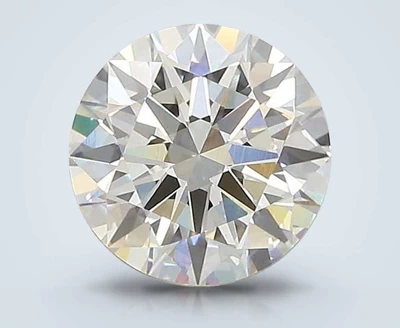
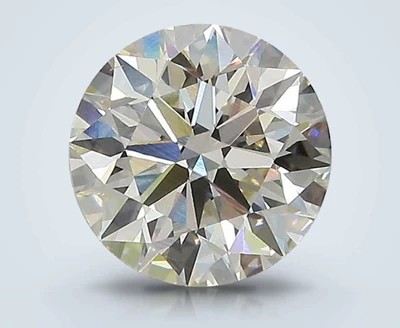
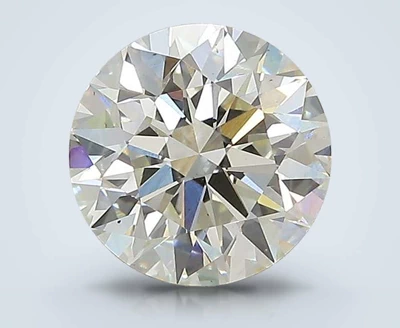
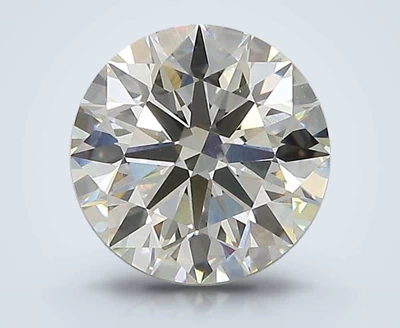
A well cut 2 carat round measures about 8.1 mm across, which is the size most people picture when they say two carats. Elongated shapes stretch that footprint: a 2 carat oval runs close to 10 by 7.5 mm, a pear 11 by 7 mm, and a marquise 13 by 6.5 mm, so they read larger from across a table for the same weight. Rounds are the most plentiful shape at this size because they are grown and cut in the greatest volume (47,317 of the 151,374 stones here), starting at $685 against $805 for a princess and $1,045 for an oval.
1.90 to 2.10 ct lab grown, every stone the grid shows (D to K color, SI2 or better clarity, Good cut or better), prices you pay today
| Shape | Starts at | Median price | Typical face-up size | In stock |
|---|
| Round | $685 | $1,437 | 8.1 mm | 47,317 |
| Oval | $1,045 | $1,827 | 10 x 7.5 mm | 13,776 |
| Marquise | $1,135 | $1,587 | 13 x 6.5 mm | 21,026 |
| Emerald | $975 | $1,531 | 8.5 x 6.5 mm | 15,708 |
| Pear | $1,010 | $1,671 | 11 x 7 mm | 10,920 |
| Cushion | $940 | $1,606 | 7.5 x 7 mm | 10,831 |
| Radiant | $1,035 | $1,674 | 8 x 6.5 mm | 10,807 |
| Princess | $805 | $1,580 | 7 mm square | 9,288 |
| Heart | $1,005 | $1,596 | 8.5 x 8 mm | 8,167 |
| Asscher | $1,070 | $1,703 | 7 mm square | 3,534 |
| All shapes | $685 | $1,574 | | 151,374 |
Just Under Two Carats vs Just Over
Unlike the one carat mark, the two carat mark still carries a small premium in lab grown. Colorless rounds with VS2 or better clarity begin at $1,025 between 1.90 and 1.99 carats and at $1,050 between 2.00 and 2.10 carats, a gap of about $25 for a stone that looks the same on the hand. Going the other way, 2.11 to 2.29 carats opens at $1,150, and our 2.5 carat lab grown diamonds start at $1,865 for the same grade. If the number on the certificate matters to you, buy the full two carats; if the look matters more, 1.90 carats is the quiet bargain of this page.
Lab grown by carat band, all shapes: the first two rows are the 151,374 stones on this page
| Carat band | Starts at | Median | In stock |
|---|
| 1.90 to 1.99 ct | $805 | $1,436 | 15,397 |
| 2.00 to 2.10 ct | $685 | $1,580 | 135,977 |
| 2.11 to 2.29 ct | $725 | $1,789 | 18,281 |
| 2.50 to 2.59 ct | $1,080 | $2,382 | 53,117 |
Checks That Matter More on a Bigger Stone
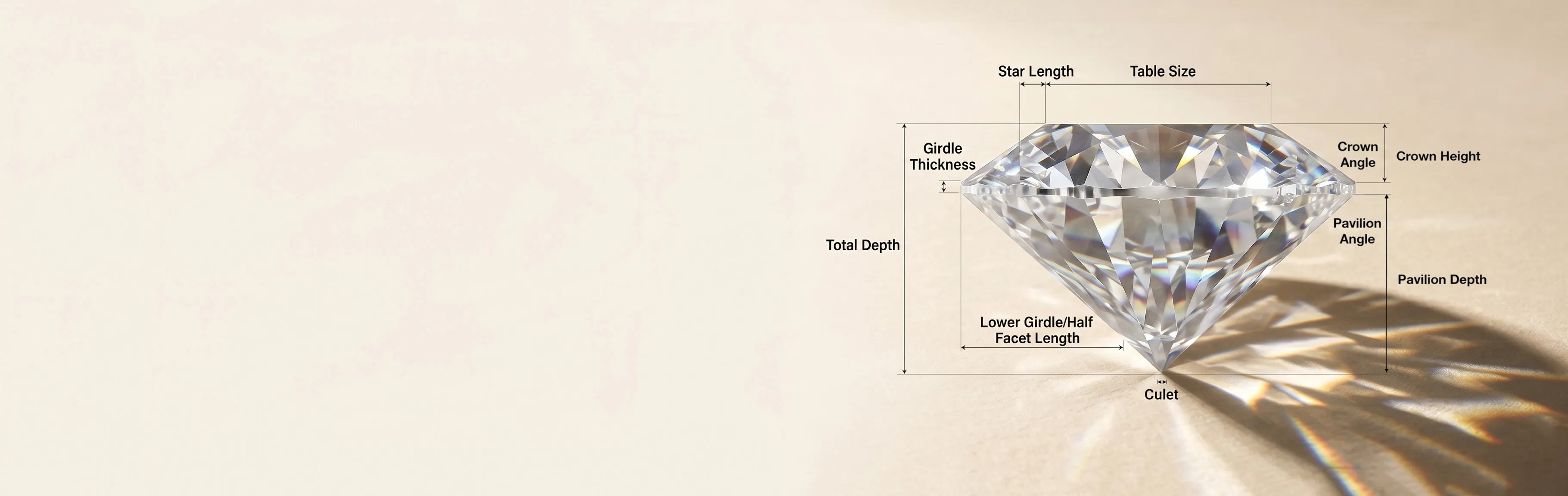
Size magnifies everything, good and bad. Cut comes first: a 2 carat lab diamond with an Excellent or Ideal cut throws light back in a way a Good cut cannot, and the difference is visible across a room. Use the Rare Carat Ideal filter if you want us to limit the results to the proportions that perform best. Second, watch for a bow tie in ovals, pears and marquise cuts, the dark band across the middle that shows up in the 360 HD video before it shows up on your finger. Third, read the report: most of the 2ct lab diamonds here are graded by IGI (140,321 stones), with GIA (8,463) and GCAL (2,590) making up the rest, and all three are accepted. Fluorescence is rarely a factor in lab material; 47,316 of the 47,317 rounds here have none.
Every stone on this page carries an AI price score and a quality score out of 18, so a diamond priced above its neighbors is flagged before you click into it. If you are torn between two, our gemologists will look at both with you by chat or phone, and they do not earn commission on your choice.
Ordering a 2 Carat Lab Diamond from Rare Carat
Rare Carat is the merchant of record on every order, with more than 2 million natural and lab grown diamonds in stock. After you buy, the diamond ships to our New York facility, where our staff inspect it under a microscope and match the laser inscription on the girdle to the grading report before it goes into a setting or out the door. Shipping is free and insured, returns are free for 30 days and resizing is free for the first year; rings carry a lifetime manufacturing warranty. Affirm, Klarna, Afterpay, PayPal Pay Later and Katapult can split the cost at checkout. Rare Carat's 5 out of 5 rating holds on Google and on Trustpilot, which lists it as the highest rated jewelry brand in America.
Looking at a bigger or smaller stone? Our 1 carat lab grown diamonds and 3 carat lab grown diamonds pages use the same live pricing, and the 2 carat solitaire ring guide covers settings that suit this weight.
Counts and prices cover every lab grown diamond between 1.90 and 2.10 carats in Rare Carat inventory on October 16, 2026 that the grid on this page shows: all shapes, D to K color, FL to SI2 clarity, Good cut or better, GIA, IGI or GCAL graded, with or without video (151,374 stones, 130,652 with 360 HD video). Prices are what you pay today with the current savings applied automatically; regular prices appear struck through on each stone. Starting prices mean the lowest priced stone in the group. The natural comparison uses the same band and price grades. Face-up sizes describe well cut stones; a deep stone of the same weight measures smaller.