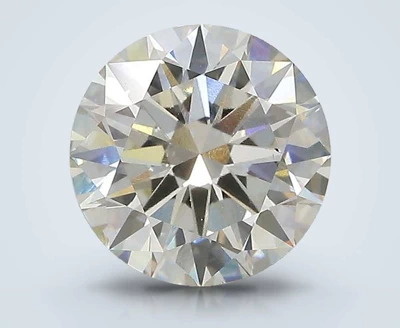
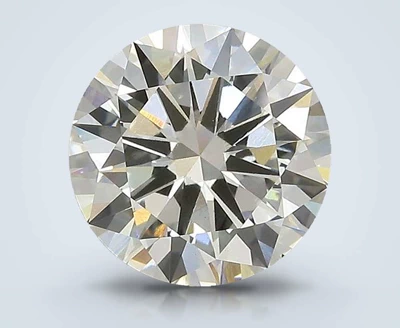
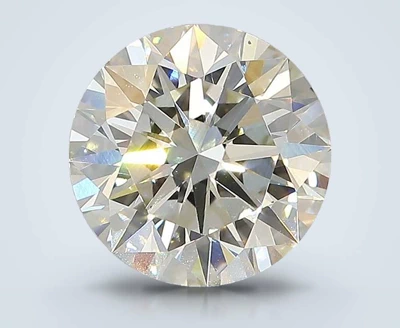
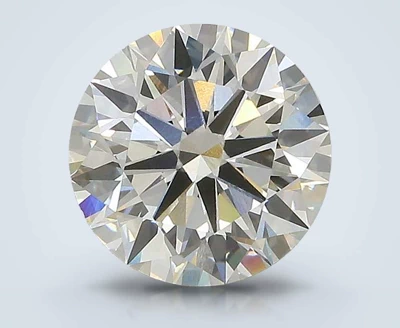
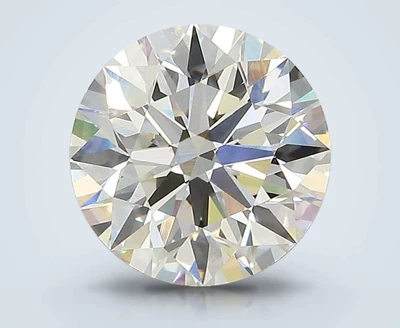
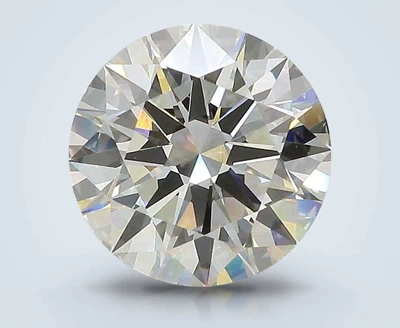
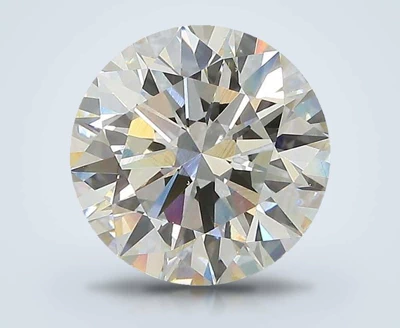
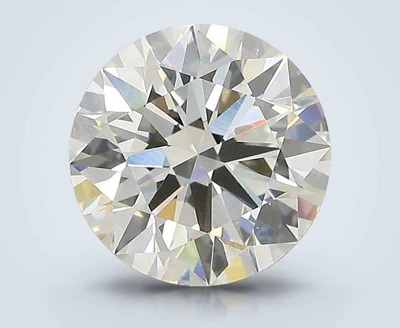
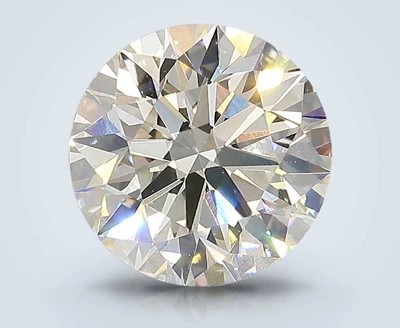
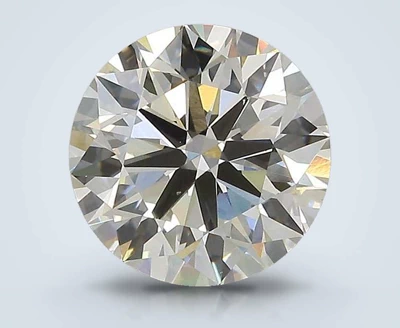
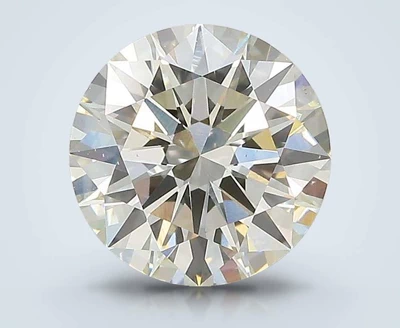
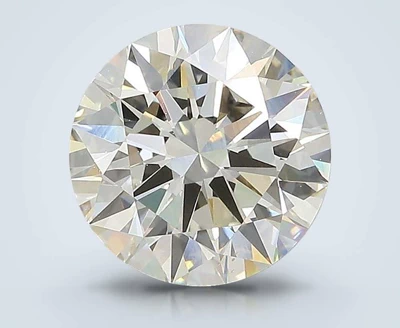
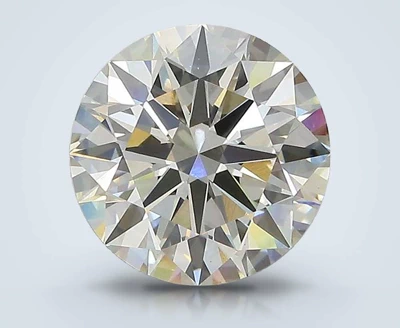
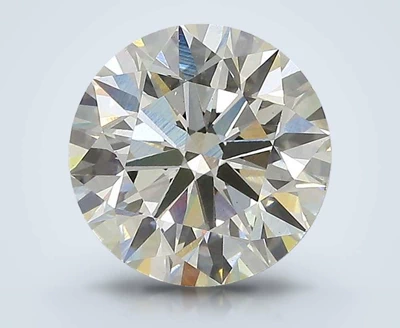
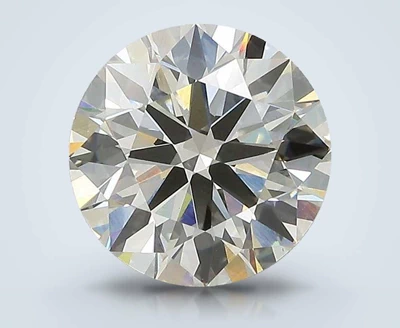
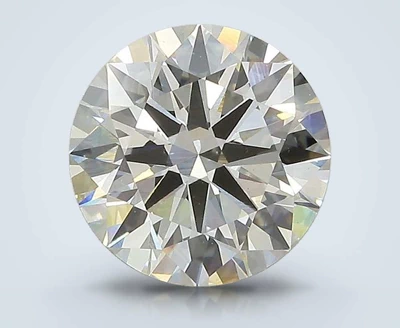
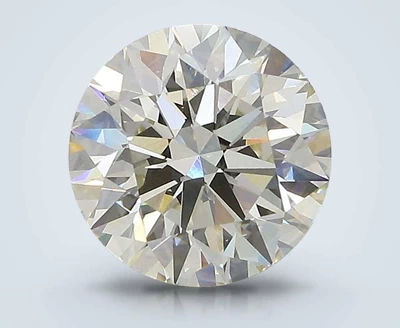
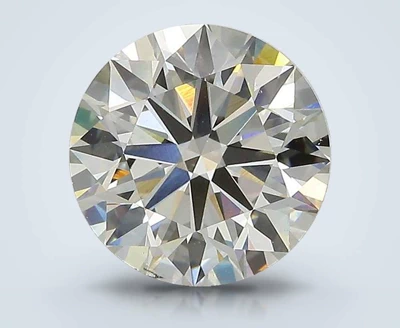
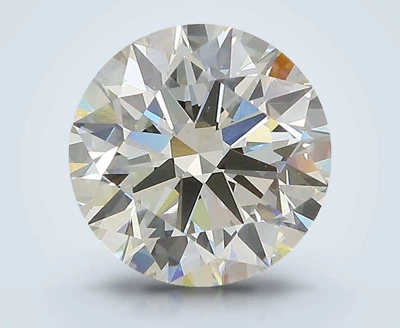
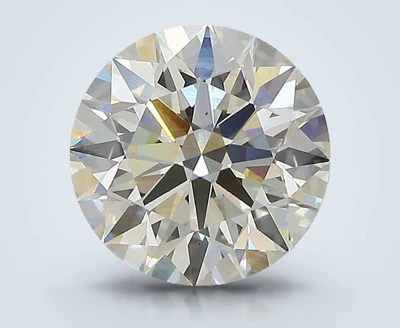
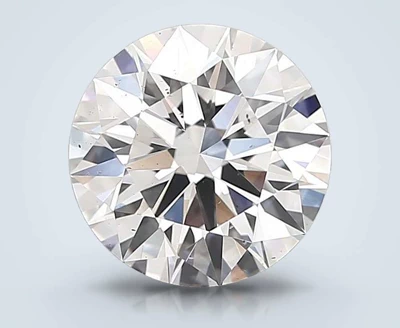
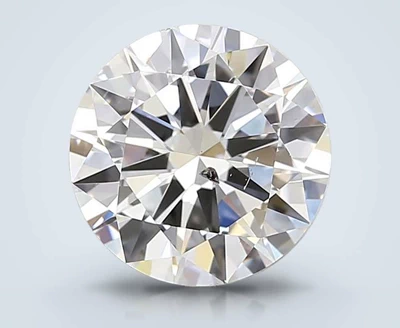
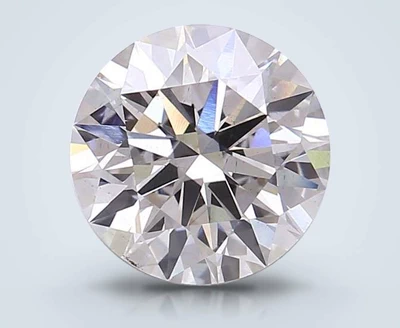
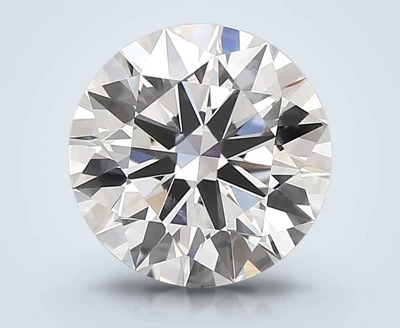
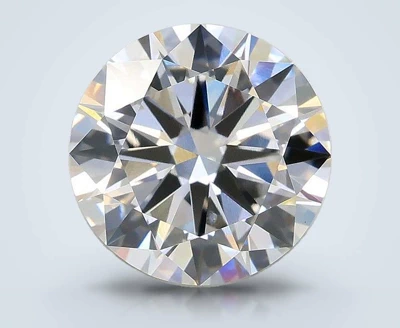
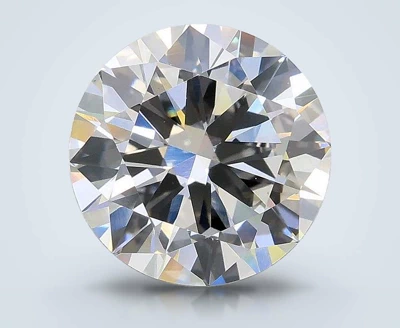
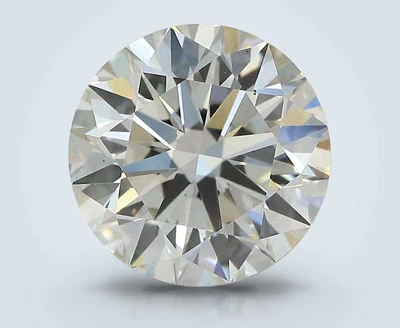
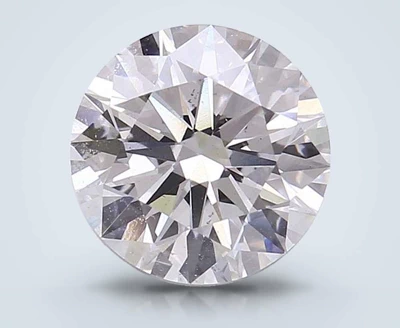
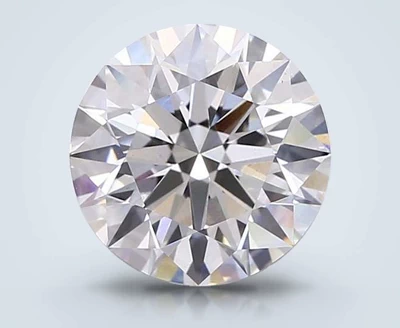
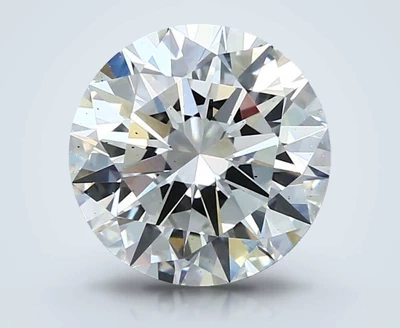
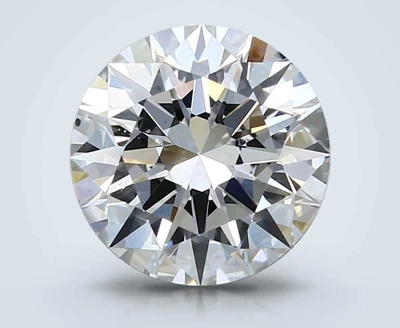
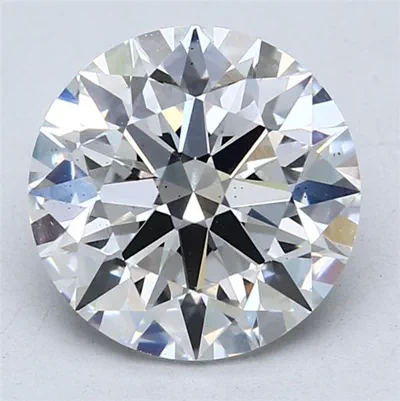
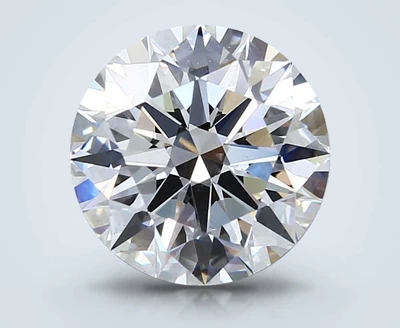
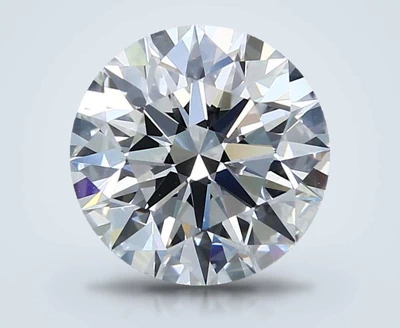
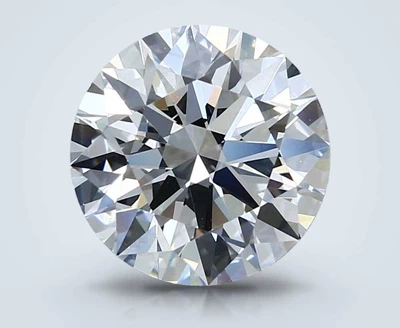
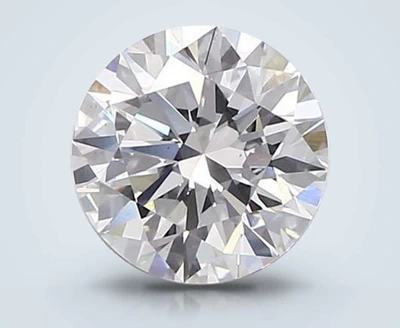
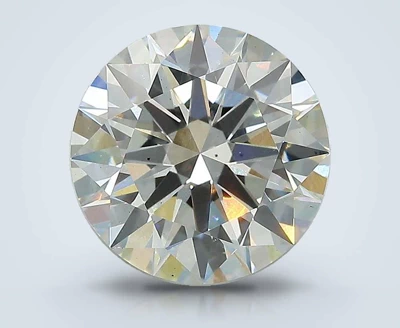
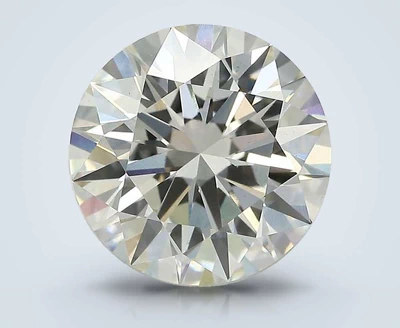
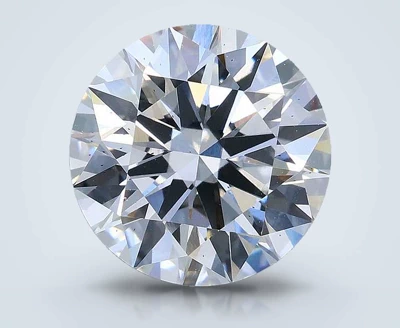
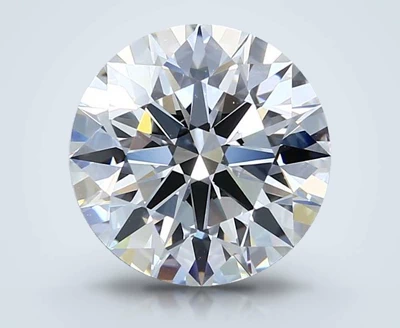
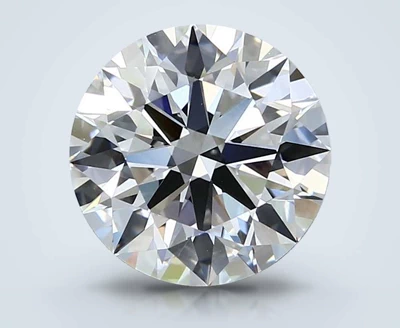
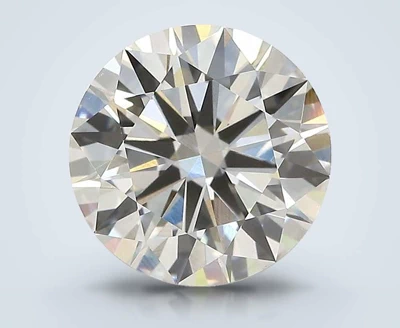
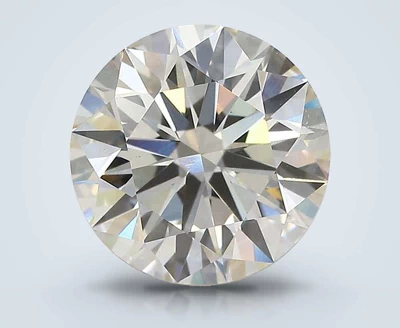
3 Carat Lab Grown Diamond Prices Today
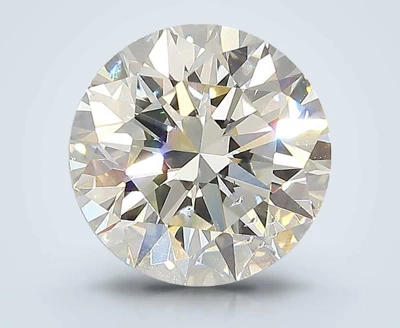
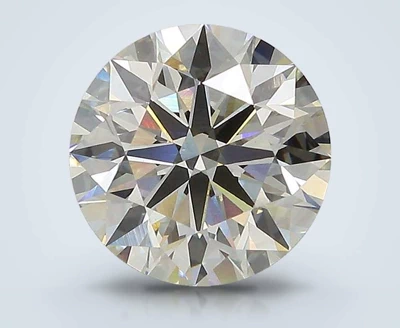
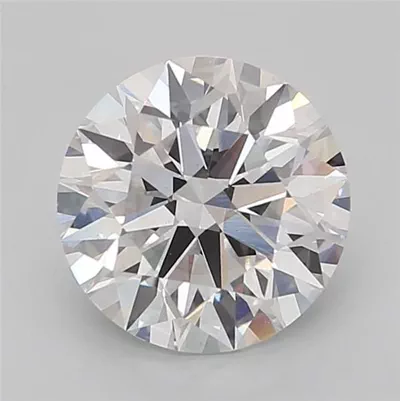
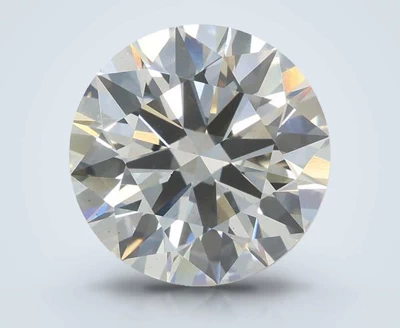
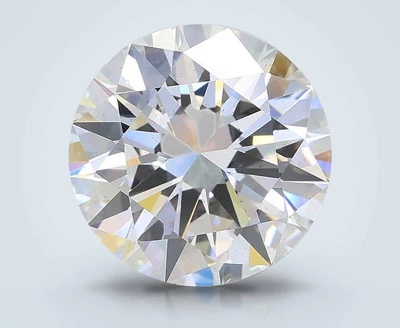
Three carats used to be a size reserved for people who did not ask the price. A 3 carat lab grown diamond at Rare Carat now starts at $1,335, with the current savings applied; there are 106,220 lab stones between 2.90 and 3.10 carats in stock, the same set the grid shows, and the median is $2,753. Nine in ten sell for under $4,553. Rounds open at $1,345 and the typical round is $2,826. For scale, a natural 3 carat diamond here begins at $6,840, and the median natural is $30,583, so the same budget that buys one natural stone buys a 3 carat lab stone for every bridesmaid.
All figures below were pulled from Rare Carat inventory on October 16, 2026. Counts cover every stone between 2.90 and 3.10 carats, with or without video (94,628 of them have 360 HD video), and every count and price covers the same set the grid shows (D to K color, FL to SI2 clarity, Good cut or better). Rare Carat refreshes these numbers regularly.
What You Give Up at 2.8 Carats, and What You Gain at 3.5
The three carat mark is softer than the one or two carat marks. Colorless rounds with VS2 or better clarity start at $1,925 between 2.90 and 2.99 carats and at $1,995 between 3.00 and 3.10 carats, so buying shy saves only about $70 and costs you the number on the report. The medians tell the same story: $2,918 just below three carats against $2,849 just above. Above the mark the curve steepens, with 3.11 to 3.29 carats opening at $2,085 and a median of $4,162, and our 3.5 carat diamonds page showing the next step. If you are deciding between 2.9 and 3.0, take the 3.0; if you are deciding between 3.0 and 3.3, the extra tenths cost real money for a change you will not see.
Lab grown by carat band, all shapes: the first two rows are the 106,220 stones on this page
| Carat band | Starts at | Median | In stock |
|---|
| 2.90 to 2.99 ct | $1,625 | $2,823 | 6,853 |
| 3.00 to 3.10 ct | $1,335 | $2,744 | 99,367 |
| 3.11 to 3.29 ct | $1,375 | $3,757 | 11,005 |
| 3.50 to 3.59 ct | $1,850 | $3,496 | 15,568 |
D Color or G Color at Three Carats?
A 3 carat lab grown diamond has enough body to show color, so the grade is worth a real decision rather than a reflex. With clarity held at VS2 or better in rounds, D opens at $2,395 and has a median of $4,173; E opens at $2,120, F at $1,925 and G at $1,785. The jump from G to D is $610 at the entry point and almost $2,013 at the median, which buys a visibly whiter stone in a platinum solitaire and an invisible one in yellow gold. H, I and J are thin on the ground at this weight (529 stones combined) because growers aim the big rough at the colorless grades.
Price by color, rounds with VS2 or better clarity, 2.90 to 3.10 ct
| Color | Starts at | Median | In stock |
|---|
| D | $2,395 | $4,173 | 4,722 |
| E | $2,120 | $2,845 | 7,324 |
| F | $1,925 | $2,594 | 4,361 |
| G | $1,785 | $2,160 | 1,333 |
| H | $1,730 | $1,836 | 217 |
| I | $1,600 | $1,769 | 166 |
| J | $1,345 | $1,393 | 146 |
| K | $1,385 | $1,385 | 1 |
| All D to K | $1,345 | | 18,270 |
Clarity You Can See at This Size
At three carats, an SI inclusion is no longer a theoretical thing. The table is bigger, the facets are bigger and a feather that hides in a one carat stone can sit in plain view. Among D to F rounds, VS2 starts at $1,925, VS1 at $2,170, VVS2 at $2,555 and VVS1 at $3,155, with IF at $4,555 and FL at $4,555. Our advice shifts up one notch compared with smaller stones: VS1 is the comfortable floor for a 3ct lab diamond, VVS2 is where most of the stock sits (7,438 stones), and anything above VVS1 is paid for on paper rather than on the hand. Whatever grade you pick, open the 360 video and pause it at the table; if you cannot find the inclusion the report plots, nobody else will either.
Starting price by clarity, D to F color rounds, 2.90 to 3.10 ct
| Clarity | Starts at | In stock |
|---|
| FL | $4,555 | 801 |
| IF | $4,555 | 884 |
| VVS1 | $3,155 | 1,935 |
| VVS2 | $2,555 | 7,438 |
| VS1 | $2,170 | 4,405 |
| VS2 | $1,925 | 944 |
| SI1 | $1,695 | 145 |
| SI2 | $1,590 | 16 |
| All D to F rounds | $1,590 | 16,568 |
Shapes That Carry Three Carats Well
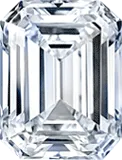
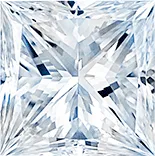
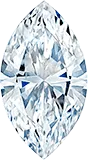
Ovals outnumber rounds at this weight (24,496 ovals against 18,452 rounds), which says something about how people wear three carats: an elongated shape spreads the weight along the finger and keeps the ring from looking tall. A 3 carat oval measures about 11.5 by 8.5 mm, a pear 12.5 by 8.5 mm, and a round 9.3 to 9.4 mm. Princess cuts are the value shape here, starting at $1,335, while radiant cuts and hearts carry the highest medians. The ten rows add up to the 106,220 stones on this page.
2.90 to 3.10 ct lab grown, every stone the grid shows (D to K color, SI2 or better clarity, Good cut or better), prices you pay today
| Shape | Starts at | Median price | Typical face-up size | In stock |
|---|
| Round | $1,345 | $2,826 | 9.3 to 9.4 mm | 18,452 |
| Oval | $1,780 | $2,696 | 11.5 x 8.5 mm | 24,496 |
| Pear | $1,690 | $2,578 | 12.5 x 8.5 mm | 13,595 |
| Cushion | $1,415 | $2,926 | 8.5 to 9 mm | 8,889 |
| Emerald | $1,625 | $2,874 | 9.5 x 7.5 mm | 10,107 |
| Radiant | $1,680 | $3,444 | 9.5 x 7.5 mm | 6,763 |
| Marquise | $1,980 | $2,760 | 15 x 7.5 mm | 14,151 |
| Princess | $1,335 | $2,664 | 8.2 mm square | 6,128 |
| Asscher | $1,730 | $2,900 | 8.2 mm square | 2,288 |
| Heart | $1,740 | $2,957 | 9.5 x 9.5 mm | 1,351 |
| All shapes | $1,335 | $2,753 | | 106,220 |
3 Carat Lab vs 3 Carat Natural
The arithmetic at three carats is stark. A natural G color VS1 round starts at $30,860 at Rare Carat and the median is $39,494; the lab grown stone of the same grade starts at $1,945. For E color VVS2 the natural opens at $34,420 and the lab stone at $2,810. Natural diamonds at this size are also scarce: 5,671 in stock against 106,220 lab grown. Both are diamond, both grade on the same scale, and both will be inspected by the same staff in New York before they ship; the difference is how the carbon was arranged, and what you pay for it. Our 3 carat diamonds page covers the natural side.
Lab grown vs natural, 2.90 to 3.10 ct rounds
| Grade | Lab grown from | Natural from | Natural median |
|---|
| G color, VS1 | $1,945 | $30,860 | $39,494 |
| G color, VS2 | $1,785 | $24,155 | $41,324 |
| E color, VVS2 | $2,810 | $34,420 | $68,122 |
| All grades, all shapes | $1,335 | $6,840 | $30,583 |
How to Shop a 3 Carat Lab Diamond at Rare Carat
Start with cut and keep it strict: filter to Excellent or Ideal, or use the Rare Carat Ideal filter, because light return is the one thing that separates a three carat stone that glows from one that merely sits there. Then set clarity to VS1 or better and color to your metal (D to F for platinum and white gold, G or H for yellow and rose gold). Sort by price and read the AI price score on each result, which compares the stone with similar ones in stock and flags anything priced above its neighbors; the quality score out of 18 does the same for the stone itself. Finally, check the report: 97,675 of the 3ct lab diamonds here are graded by IGI, 7,096 by GIA and 1,449 by GCAL, and the report number is inscribed on the girdle so it can be matched under a microscope.
Rare Carat is the merchant of record, with more than 2 million natural and lab grown diamonds in stock, and our gemologists will talk through two or three finalists with you without any commission riding on the answer. Shipping is free and insured, returns are free for 30 days, resizing is free for the first year, and rings carry a lifetime manufacturing warranty. Affirm, Klarna, Afterpay, PayPal Pay Later and Katapult are offered at checkout. Rare Carat is rated 5 out of 5 on Google and Trustpilot, and Trustpilot ranks it the highest rated jewelry brand in America. For the sizes either side, see 2 carat lab grown diamonds and 4 carat lab grown diamonds.
Counts and prices cover every lab grown diamond between 2.90 and 3.10 carats in Rare Carat inventory on October 16, 2026 that the grid on this page shows: all shapes, D to K color, FL to SI2 clarity, Good cut or better, GIA, IGI or GCAL graded, with or without video (106,220 stones, 94,628 with 360 HD video). Each figure is today's price after the current savings; the regular price shows struck through on every stone. Where a starting price is given, it is the cheapest stone in that group. Natural figures use the same range and price grades. Face-up sizes are typical for well cut stones.