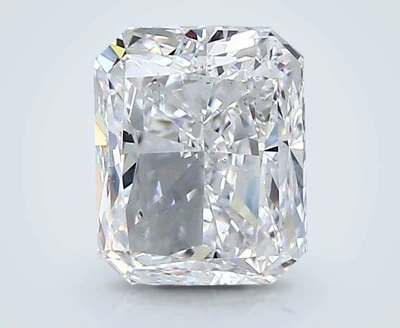
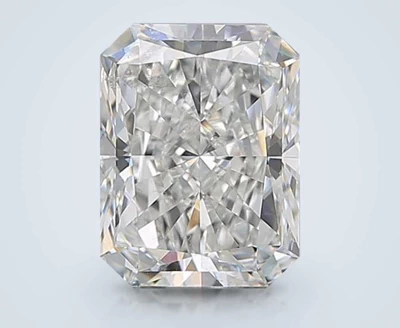
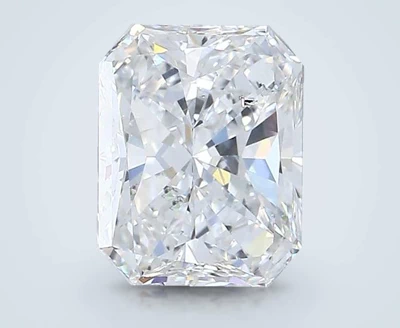
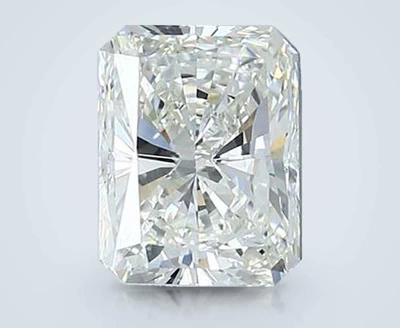
Radiant Cut Diamonds: A Lab Grown Favorite, Priced Today
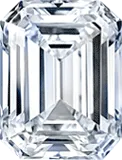
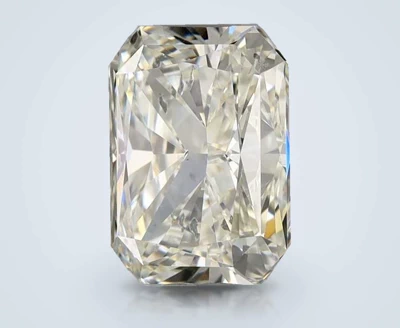
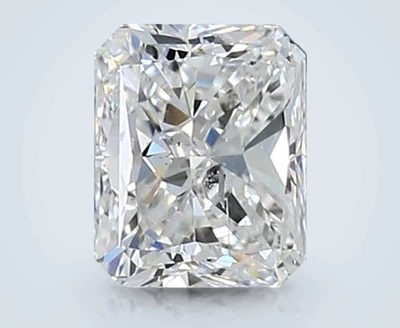
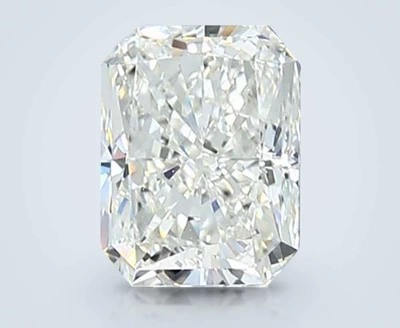
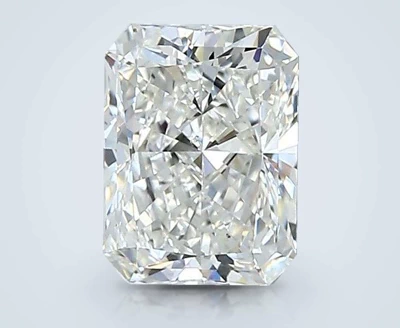
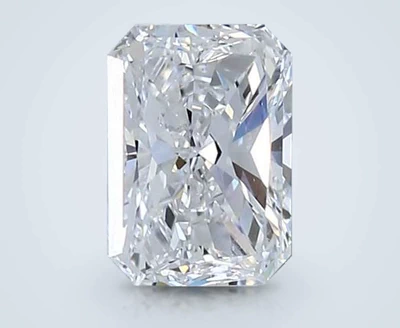
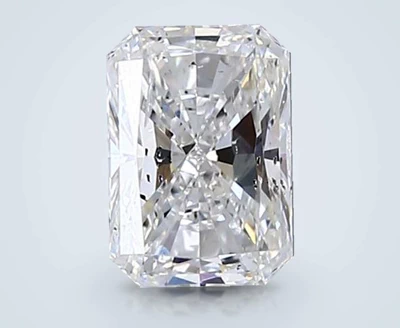
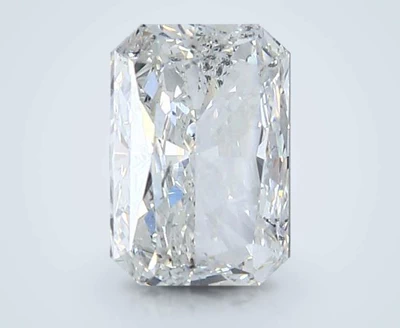
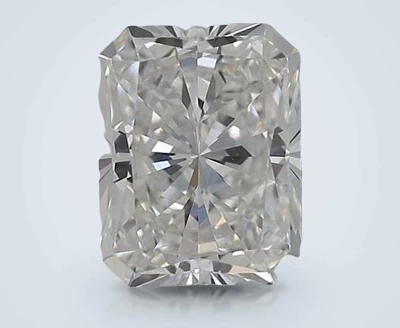
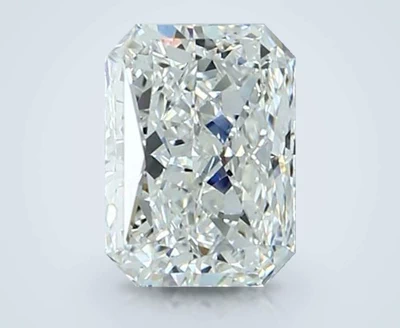
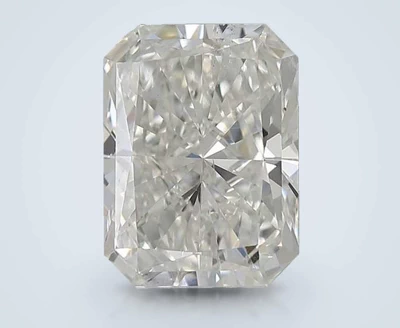
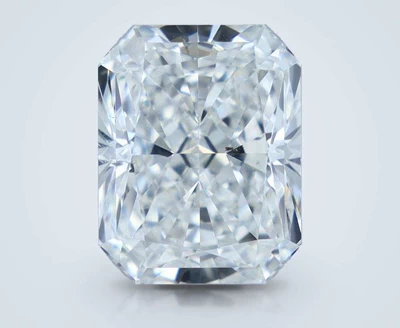
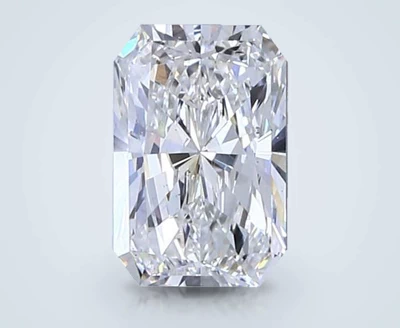
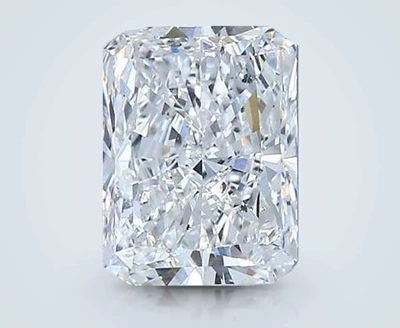
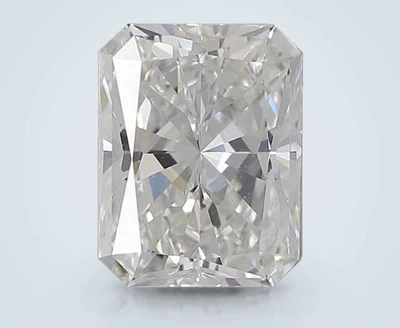
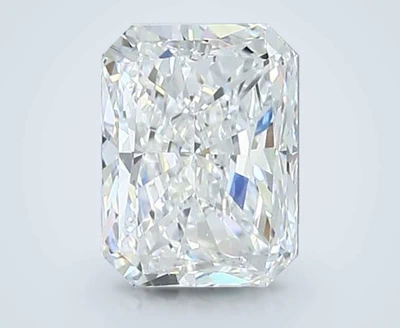
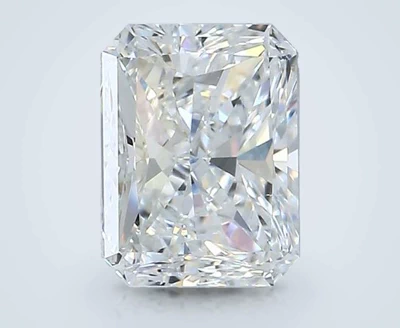
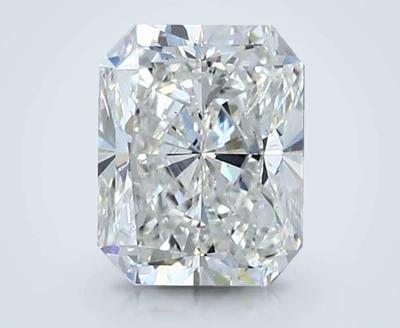
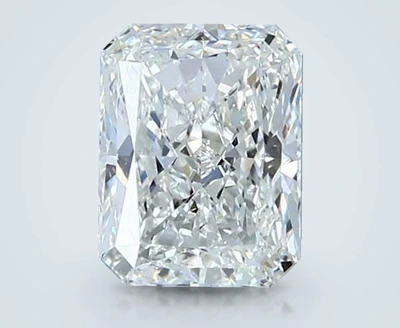
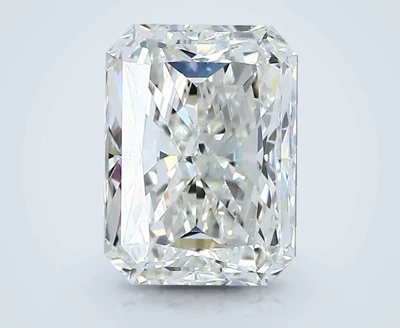
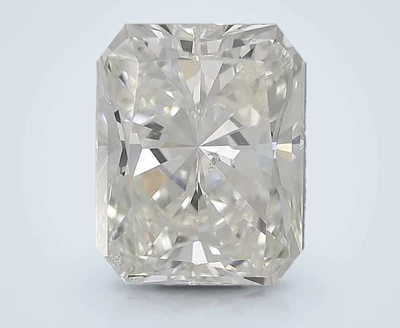
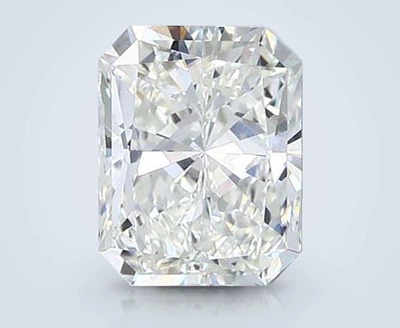
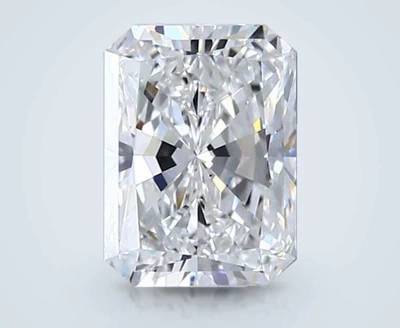
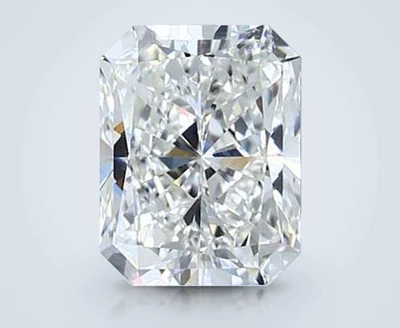
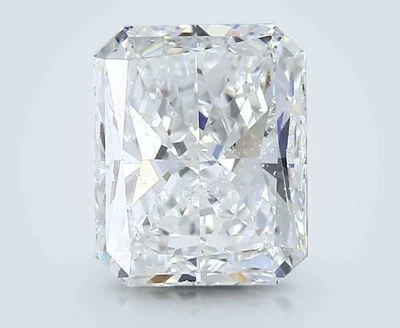
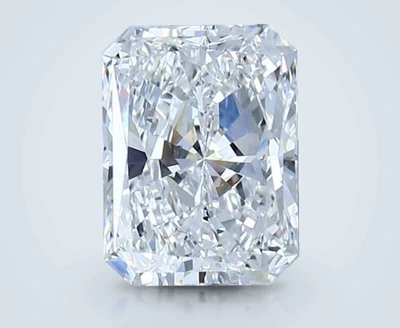
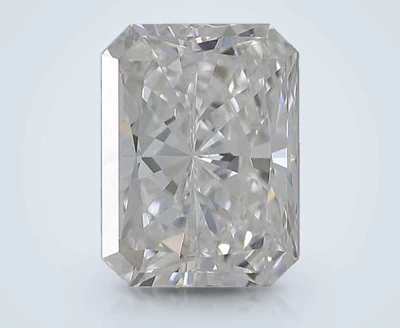
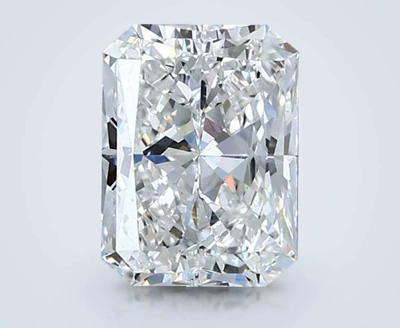
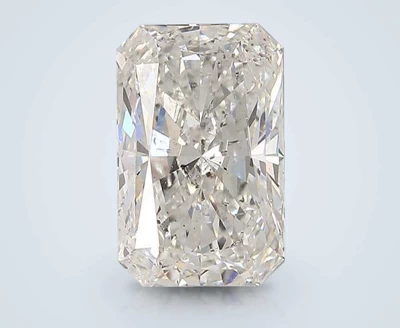
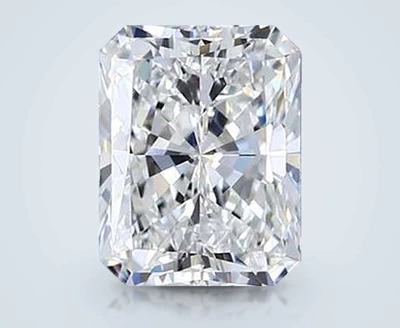
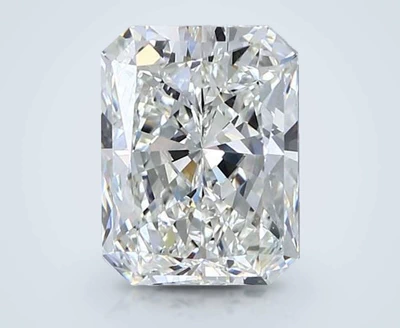
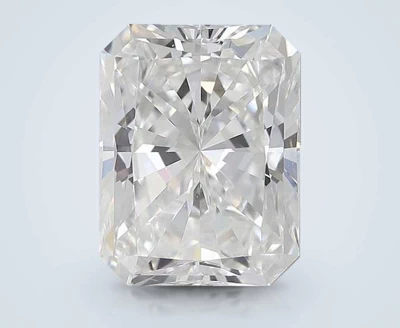
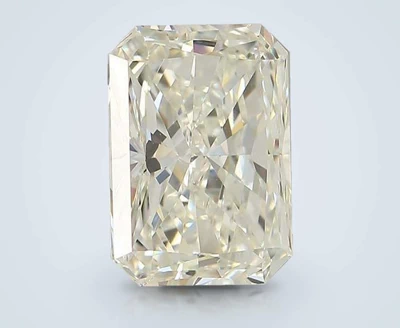
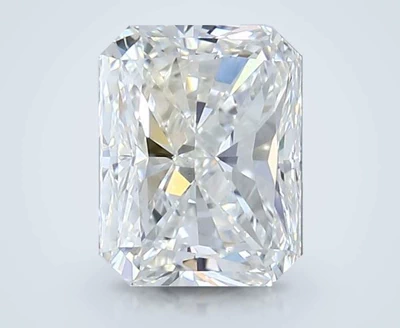
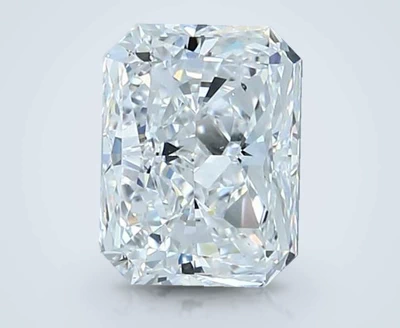
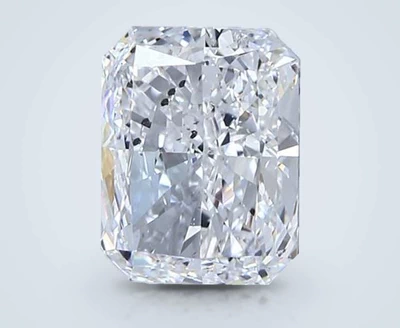
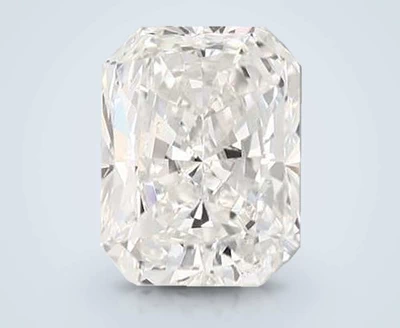
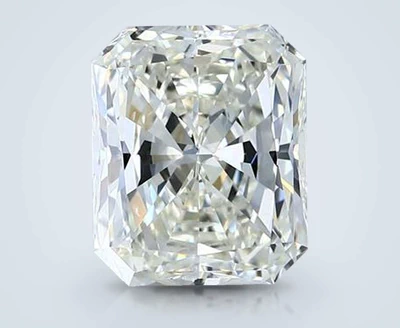
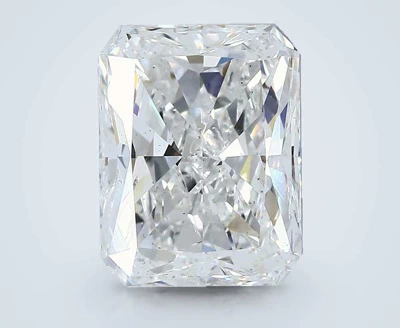
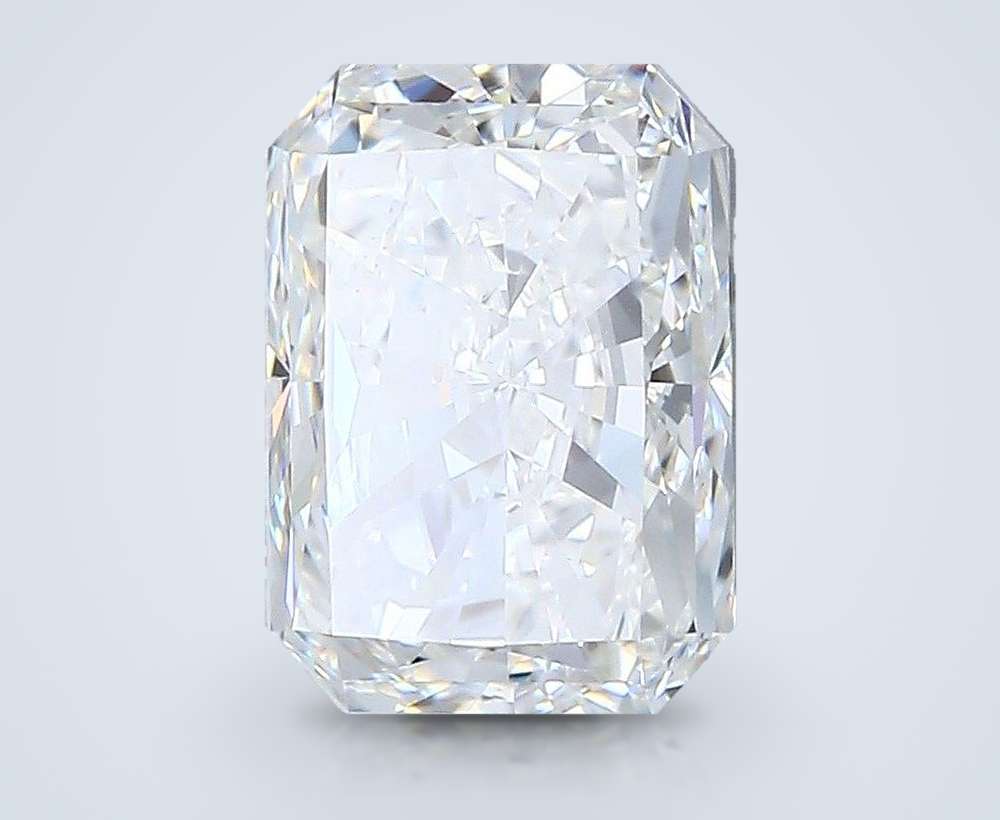
A radiant cut takes the cropped corner outline of an emerald cut and fills it with brilliant faceting, around seventy facets that scatter light the way a round does. The result sparkles harder than any other rectangular shape, hides inclusions and color well, and has no points to chip. It is also, by the numbers on this page, a lab grown shape: of the 101,075 radiant diamonds in Rare Carat inventory today (every carat weight), 88,897 are lab grown and 12,178 are natural. Lab radiants start at $130 and natural radiants at $200 with the current savings applied; in the one carat band the medians are $597 lab grown and $2,398 natural. Figures reflect inventory on October 17, 2026 and are refreshed on a regular basis.
Lab Grown Radiant Prices by Carat
Because growers cut a lot of their rectangular rough as radiants, the lab side of this page is deep in every band: 10,418 stones between 0.90 and 1.10 carats, 10,807 between 1.90 and 2.10 and 6,796 between 2.90 and 3.10. Medians run $597, $1,673 and $3,441 for those bands, so a three carat lab radiant costs about 6 times a one carat one. The deepest band is 4.11 ct and up. Every row below links to the carat page where one exists, and together the rows are the whole lab radiant inventory here.
Lab radiants by carat band, prices you pay today (88,897 stones, October 17, 2026)
| Carat band | Starts at | Median | In stock |
|---|
| under 0.50 ct | $130 | $179 | 792 |
| 0.50 to 0.89 ct | $155 | $285 | 4,197 |
| 0.90 to 1.10 ct | $350 | $597 | 10,418 |
| 1.11 to 1.49 ct | $445 | $891 | 4,585 |
| 1.50 to 1.89 ct | $725 | $1,155 | 12,930 |
| 1.90 to 2.10 ct | $1,035 | $1,673 | 10,807 |
| 2.11 to 2.89 ct | $1,095 | $2,328 | 7,319 |
| 2.90 to 3.10 ct | $1,680 | $3,441 | 6,796 |
| 3.11 to 3.89 ct | $1,860 | $4,004 | 5,454 |
| 3.90 to 4.10 ct | $1,995 | $3,685 | 6,797 |
| 4.11 ct and up | $2,280 | $5,124 | 18,802 |
| All lab grown radiants | $130 | $2,284 | 88,897 |
Natural Radiant Prices by Carat
Natural radiants are scarcer than natural emerald cuts (12,178 against 70,739 on the emerald cut page), because mined rough that will cut a clean rectangle is usually more valuable as an emerald cut. Medians are $2,398 at one carat, $12,448 at two and $32,298 at three, with 2,738, 960 and 380 stones in stock. A natural radiant is priced close to a natural emerald cut diamond of the same grade and well below a round, and it faces up about 6.5 by 5 mm at one carat.
Natural radiant diamonds by carat band, prices you pay today (12,178 stones, October 17, 2026)
| Carat band | Starts at | Median | In stock |
|---|
| under 0.50 ct | $200 | $450 | 745 |
| 0.50 to 0.89 ct | $290 | $782 | 4,063 |
| 0.90 to 1.10 ct | $685 | $2,398 | 2,738 |
| 1.11 to 1.49 ct | $1,225 | $3,811 | 771 |
| 1.50 to 1.89 ct | $1,760 | $6,753 | 1,641 |
| 1.90 to 2.10 ct | $3,845 | $12,448 | 960 |
| 2.11 to 2.89 ct | $5,595 | $20,806 | 355 |
| 2.90 to 3.10 ct | $10,740 | $32,298 | 380 |
| 3.11 to 3.89 ct | $17,010 | $41,002 | 156 |
| 3.90 to 4.10 ct | $23,810 | $53,886 | 88 |
| 4.11 ct and up | $19,665 | $90,379 | 281 |
| All natural radiants | $200 | $2,293 | 12,178 |
Square Radiant or Elongated Radiant
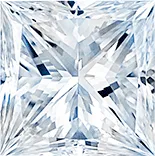
The ratio changes a radiant's character completely: a square radiant (1.00 to 1.04) is a sparklier alternative to a princess cut with safer corners, while an elongated radiant above 1.20 reads like a brilliant cut emerald and lengthens the finger, and the stock on this page shows which one buyers want. Among lab radiants here, 2,497 are square and 85,978 are 1.20 or longer; natural stock splits 630 square against 10,622 elongated. Longer radiants can show a faint bow tie, far weaker than in an oval or marquise, and the 360 HD video shows it in the first rotation if it is there.
Radiants by length to width ratio (October 17, 2026)
| Outline | Lab grown in stock | Lab grown from | Lab grown median |
|---|
| Square (1.00 to 1.04) | 2,497 | $130 | $2,094 |
| Near square (1.05 to 1.19) | 422 | $170 | $1,859 |
| Rectangular (1.20 to 1.39) | 16,008 | $130 | $2,271 |
| Long (1.40 and over) | 69,970 | $130 | $2,295 |
| All lab grown radiants | 88,897 | $130 | $2,284 |
| Outline | Natural in stock | Natural from | Natural median |
|---|
| Square (1.00 to 1.04) | 630 | $335 | $2,451 |
| Near square (1.05 to 1.19) | 926 | $400 | $3,087 |
| Rectangular (1.20 to 1.39) | 8,657 | $200 | $2,369 |
| Long (1.40 and over) | 1,965 | $210 | $1,471 |
| All natural radiants | 12,178 | $200 | $2,293 |
Grades: Where a Radiant Lets You Save
The dense faceting is forgiving. Inclusions that would show in an emerald cut vanish in a radiant, so clarity is the grade to save on: in one carat natural radiants with G to H color, SI1 starts at $1,055, VS2 at $930 and VS1 at $1,160, and an SI1 radiant is eye clean more often than not. Color is held slightly better than in a cushion but worse than in a round, because the cropped corners gather tint; with clarity at VS2, G starts at $1,360, H at $930 and I at $1,065. For lab radiants the ladders flatten to one rule, buy D to F for nothing and VS1 or better for the look: VS1 among D to F lab radiants starts at $385 and 5,323 of the 10,270 one carat lab radiants with VS2 or better clarity are D color.
Natural radiants, 0.90 to 1.10 ct: starting price by clarity at G to H color (926 stones) and by color at VS2 clarity (567 stones)
| Clarity | Starts at | In stock |
|---|
| SI2 | $805 | 117 |
| SI1 | $1,055 | 154 |
| VS2 | $930 | 203 |
| VS1 | $1,160 | 216 |
| VVS2 | $1,345 | 128 |
| VVS1 | $1,445 | 95 |
| IF | $2,240 | 12 |
| FL | $2,330 | 1 |
| All FL to SI2 | $805 | 926 |
| Color | Starts at | In stock |
|---|
| D | $1,285 | 49 |
| E | $1,750 | 40 |
| F | $1,230 | 54 |
| G | $1,360 | 83 |
| H | $930 | 120 |
| I | $1,065 | 116 |
| J | $1,025 | 69 |
| K | $830 | 36 |
| All D to K | $830 | 567 |
Natural and Lab Radiant at the Same Grade
A one carat G color VS1 radiant starts at $1,505 natural and $405 lab; E color VVS2 is $2,195 natural against $435 lab. 11,879 of the natural radiants are GIA graded and 8,679 have no fluorescence; lab radiants carry IGI reports in the main (78,317 of 88,897), with 8,317 GIA and 2,263 GCAL. At one carat the pages to compare are 1 carat radiant cut diamonds and 1 carat radiant cut lab grown diamonds.
Radiant cut, 0.90 to 1.10 ct, same grade
| Grade | Lab grown from | Natural from | Natural median |
|---|
| G color, VS1 | $405 | $1,505 | $2,988 |
| H color, SI1 | none in stock | $1,055 | $1,855 |
| E color, VVS2 | $435 | $2,195 | $3,504 |
| All grades, 0.90 to 1.10 ct | $350 | $685 | $2,398 |
Choosing a Radiant at Rare Carat
Set the ratio, then sort by price and read the AI price score on each stone, which compares it with similar radiants in stock and flags anything priced above its peers; the quality score out of 18 weighs cut, color and clarity together, and the Rare Carat Ideal filter keeps only the proportions that return the most light. Watch the 360 HD video for the facet pattern, which on a radiant should look like crushed ice from edge to edge with no dead zones at the corners. If two stones tie, our gemologists will look at both with you by chat or phone and earn nothing from the choice.
Rare Carat is merchant of record on every purchase, with more than 2 million natural and lab grown diamonds to choose from. The diamond ships first to our New York facility, where staff inspect it under a microscope and confirm the laser inscription matches the report. Free insured shipping, free 30 day returns and free resizing in the first year come with every order, along with a lifetime manufacturing warranty on the ring. Monthly payments through Affirm, Klarna, Afterpay, PayPal Pay Later and Katapult are available at checkout. Rare Carat holds a 5 out of 5 rating on both Google and Trustpilot and is the highest rated jewelry brand in America on Trustpilot.
Counts and prices cover every radiant diamond in Rare Carat inventory on October 17, 2026 that the grid on this page shows, every carat weight: D to K color, FL to SI2 clarity, Good cut or better, GIA, IGI or GCAL graded, with or without video; 12,178 natural (10,173 with 360 HD video) and 88,897 lab grown (77,844 with 360 HD video). Prices are what you pay today once the current savings are applied; the regular price shows struck through on each stone. Where a starting price is given it is the lowest priced stone in the group, of any grade or weight. Grade ladders use 0.90 to 1.10 carat stones, so the price moves with grade and not with weight. Emerald cut figures used for comparison share the same day and basis.